Affective Media Symposium: Transformations of Public Communication
8. 9. 2026 | Media
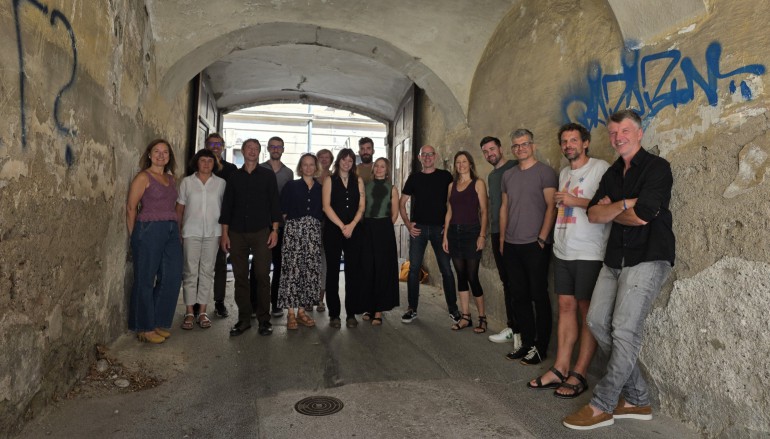
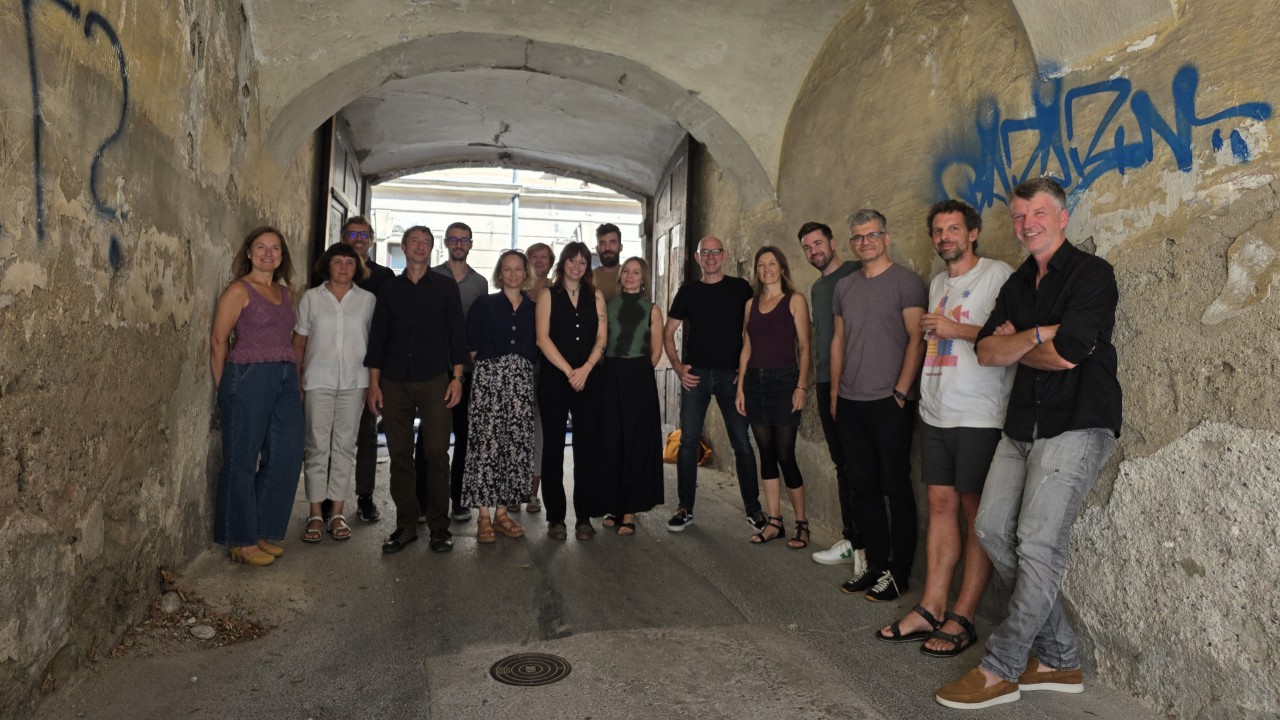
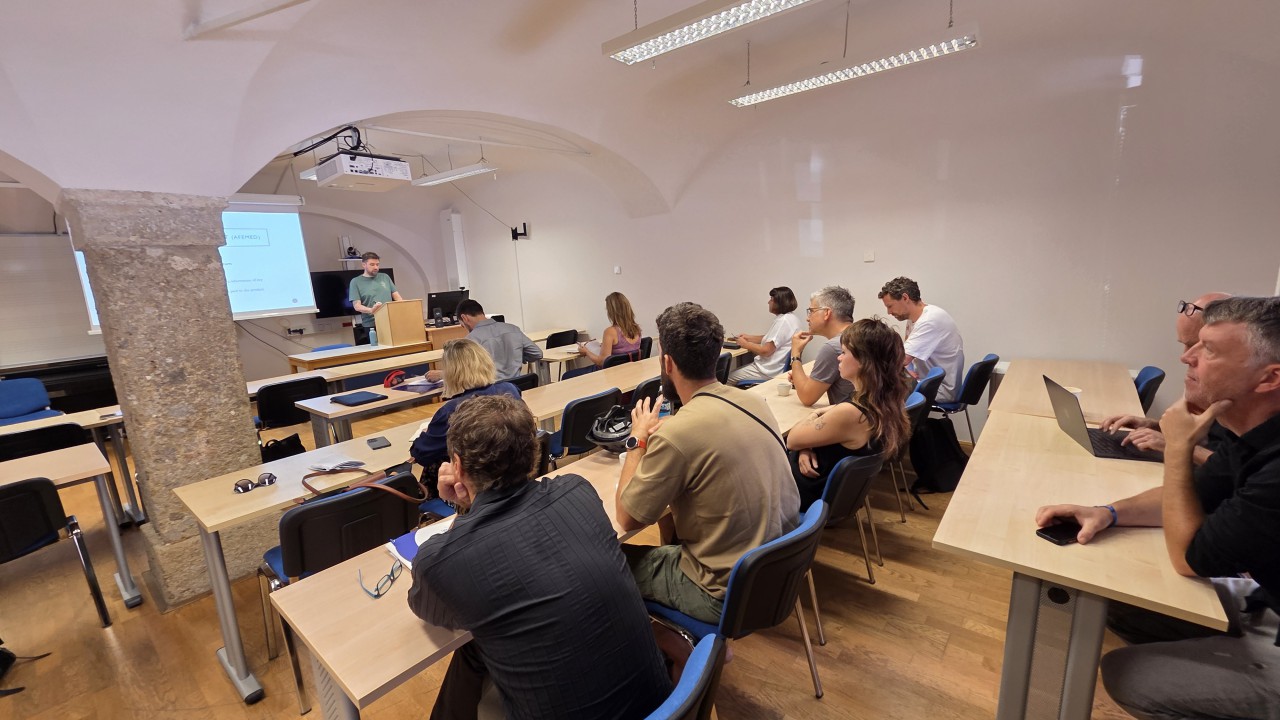
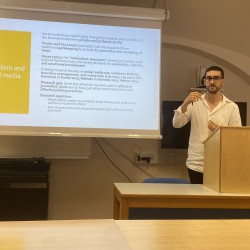
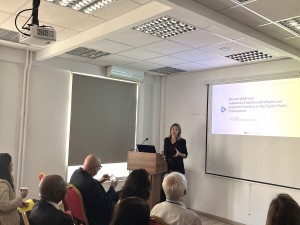
On 3–4 September 2026, the symposium Affective Media: Transformations of Public Communication took place in Ljubljana, bringing together researchers to discuss the findings of the research project of the same name.
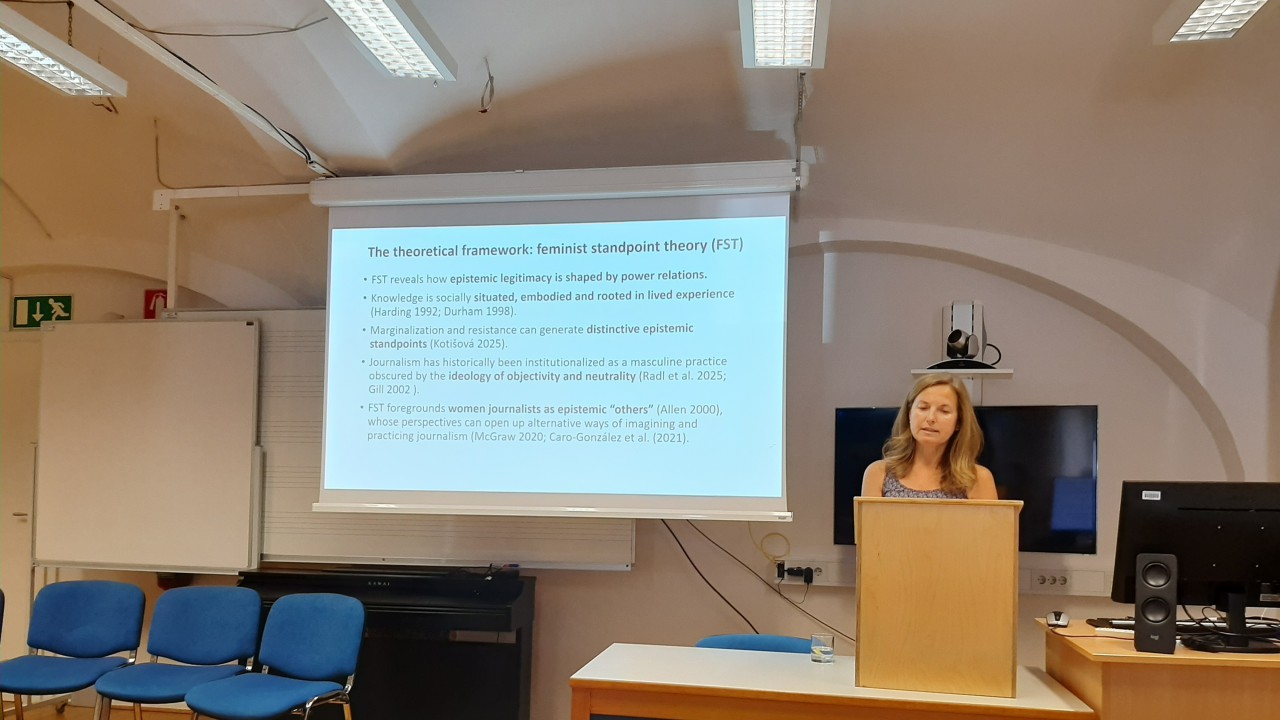
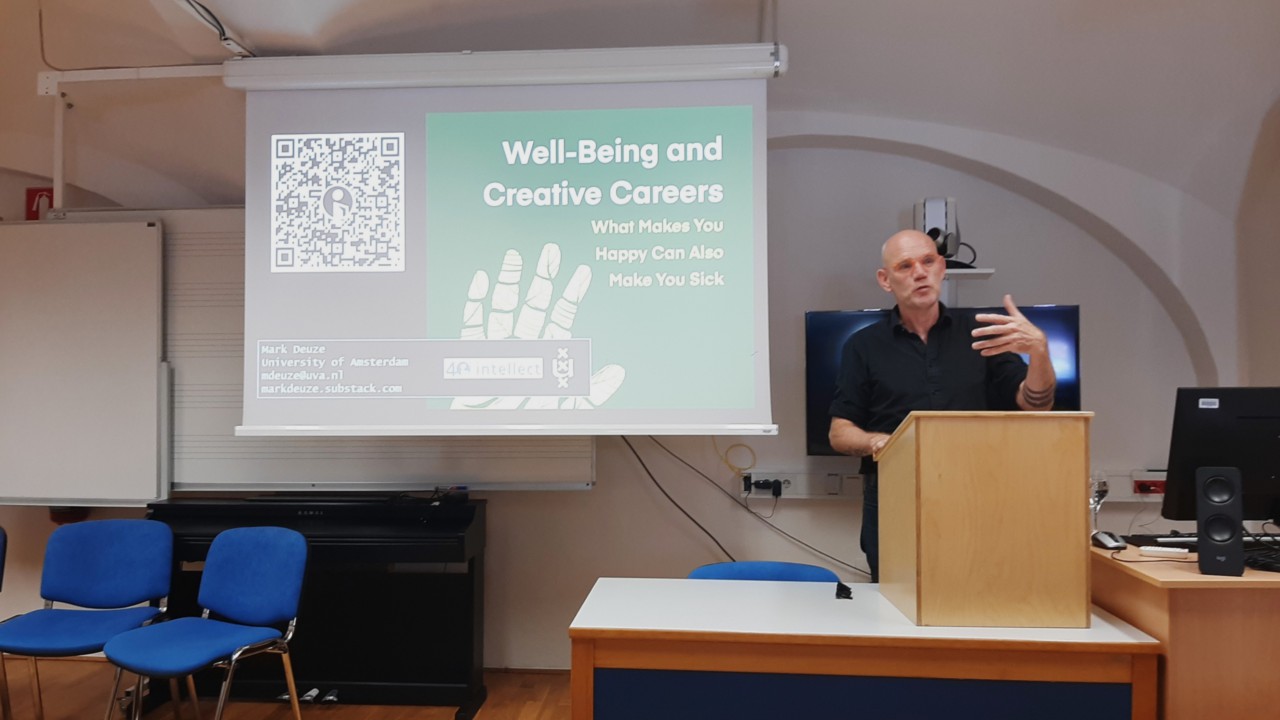
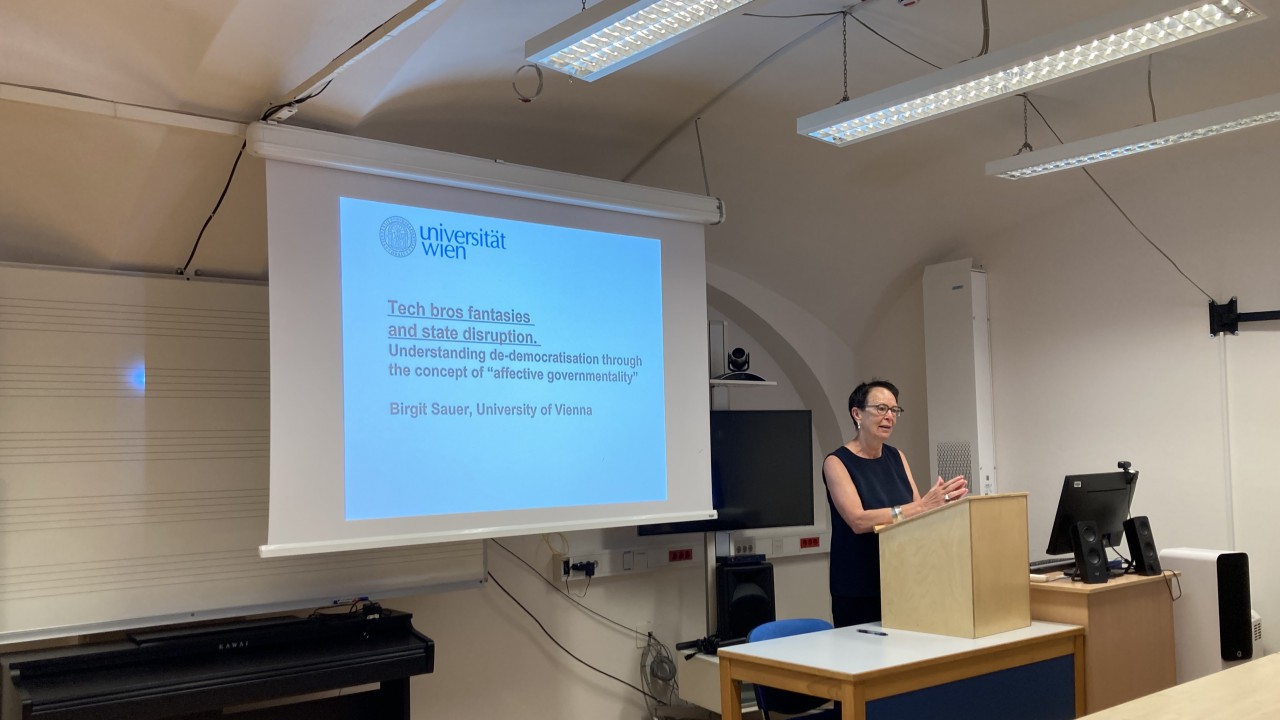
One of the symposium’s central discussions focused on affective governmentality – the ways in which journalistic work is regulated through emotions and professional norms. Research into journalists’ career trajectories shows that passion for the profession, a sense of responsibility, and commitment to socially meaningful work enable journalists to persevere amid precarity and restructuring, while at the same time potentially becoming mechanisms of self-exploitation. Poor working conditions can thus become normalised as a test of professional commitment, while burnout may be understood as a question of individual resilience rather than a consequence of how work is organised. Resistance, the rejection of such expectations, and leaving journalism, in turn, reveal the limits of affective governmentality.
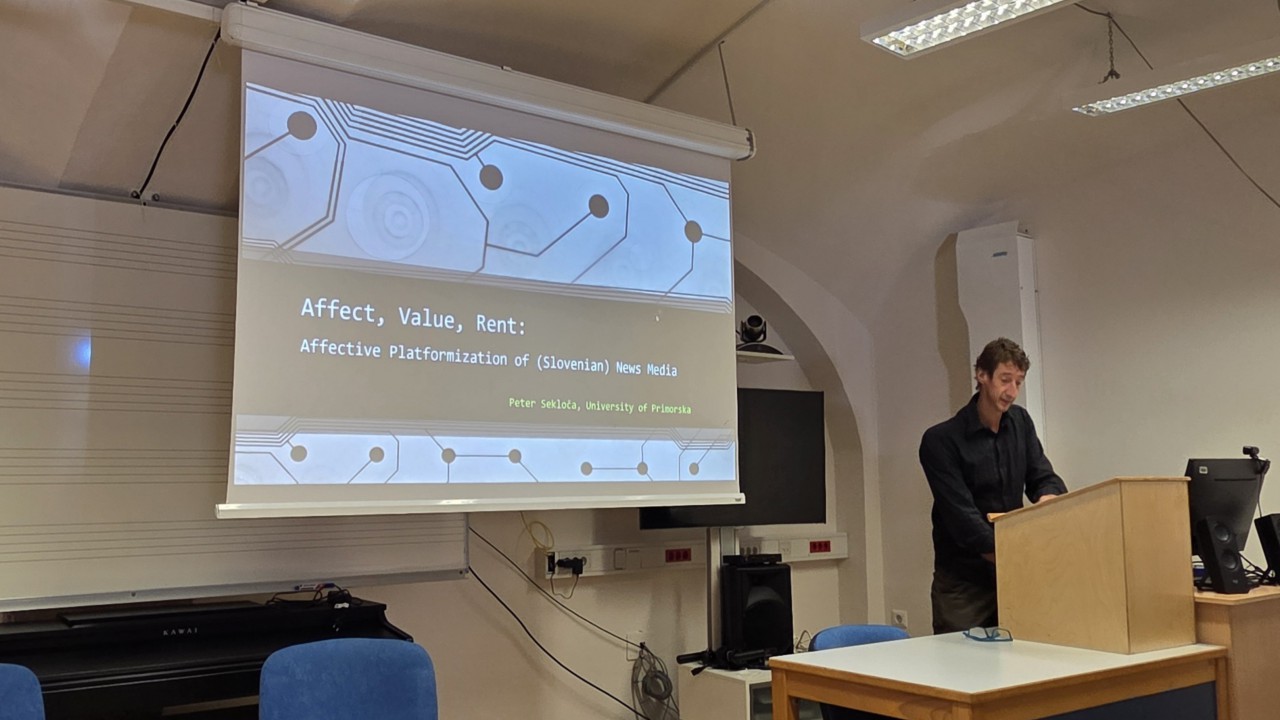
We also discussed platformisation and the attention economy, in which audience responses have become an important economic resource. The research showed that platform logics increasingly shape editorial decisions and the organisation of work, while audience metrics create additional pressures for journalists. Clicks, views, and engagement data are becoming measures of content performance and, in turn, influence journalistic work.
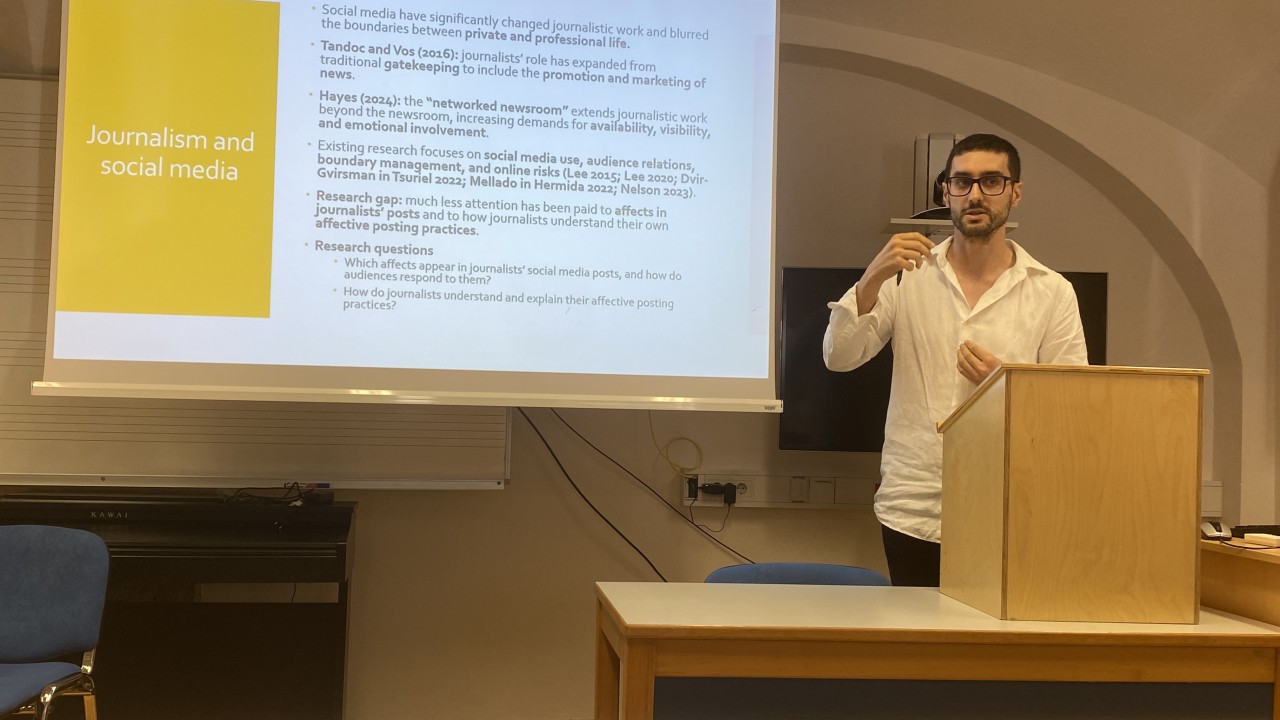
The symposium also addressed the affective dimensions of journalistic practices in digital environments. An analysis of Slovenian journalists’ communication on Facebook shows that journalists recognise and respond in different ways to the affective logics of platforms. At the same time, they often feel an expectation to maintain a constant online presence and visibility, even though newsrooms generally do not explicitly require this.
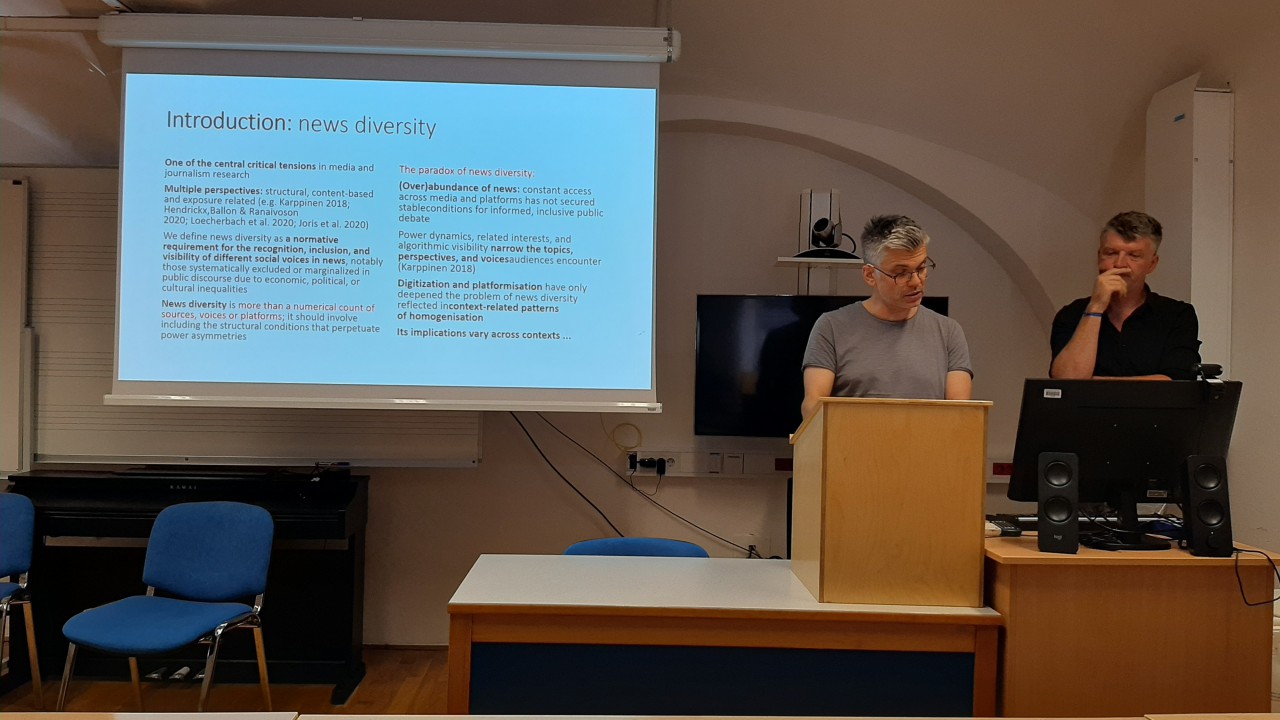
The research further showed that the public’s relationship with the media cannot be reduced to a simple opposition between trust and distrust. People develop their own strategies for assessing credibility: they compare different sources, move between platforms and genres, rely on the reputations of individual journalists, and selectively filter content in response to information and emotional fatigue. Distrust does not necessarily mean that people have given up on journalism – disappointment often stems precisely from high expectations regarding its autonomy, accountability, and democratic role.
The symposium demonstrated that the affective dimension is crucial to understanding contemporary transformations of media and journalism. Affects shape power relations, the governance of work, and market orientations, while also opening up spaces for resistance, professional autonomy, and alternative journalistic practices.