Education on the procedural rights of suspects and accused persons
30. 12. 2025 | Human Rights and Minorities
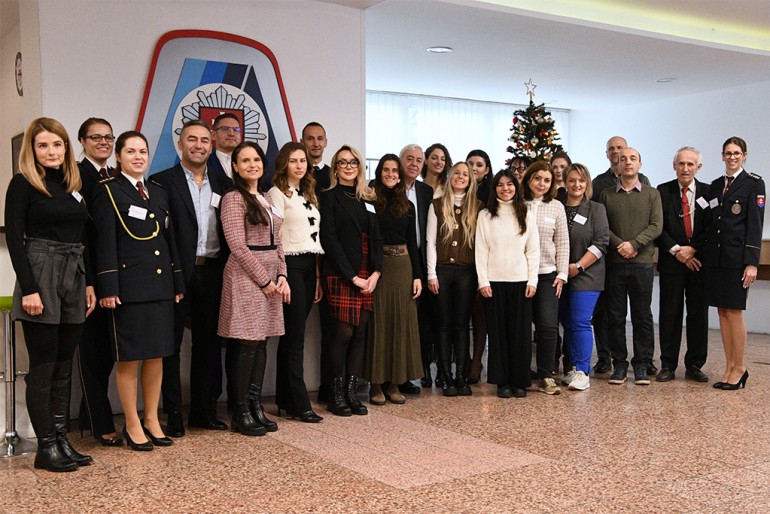
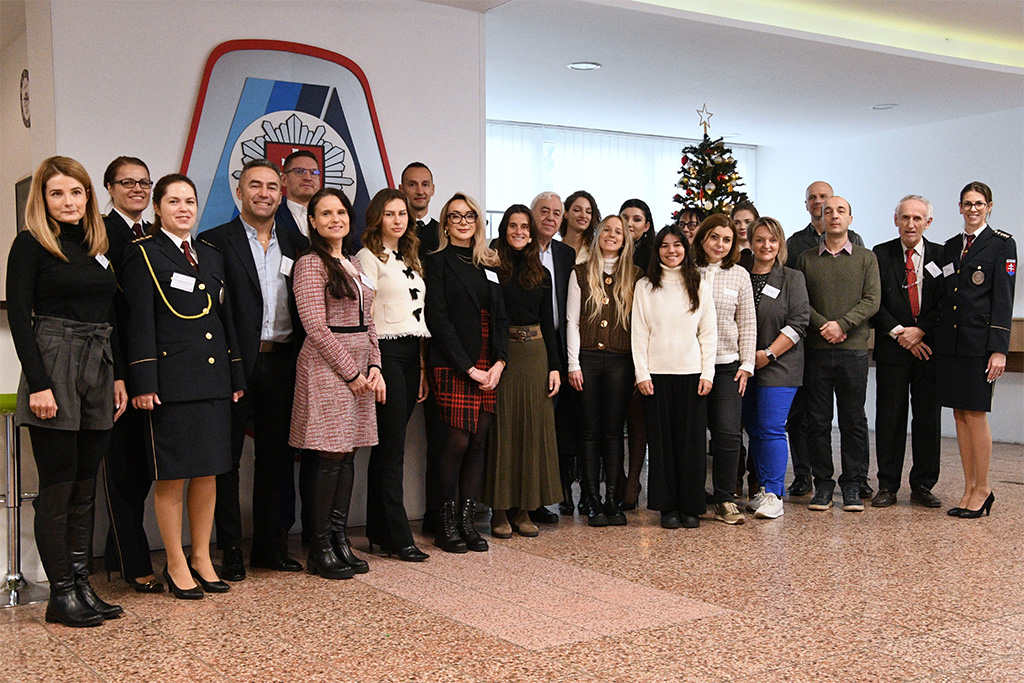
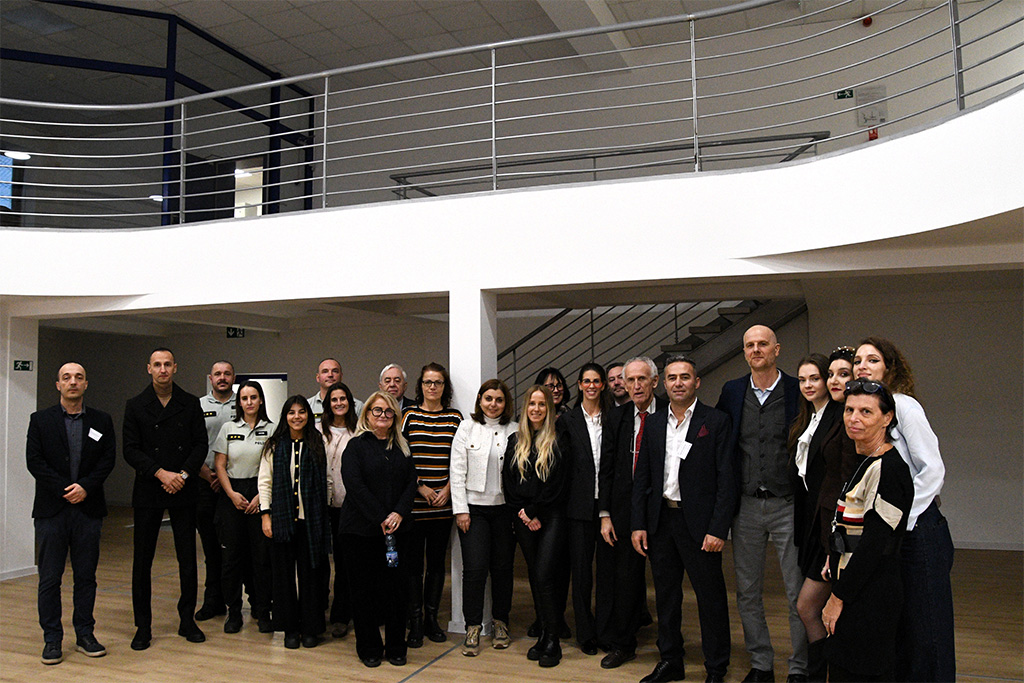
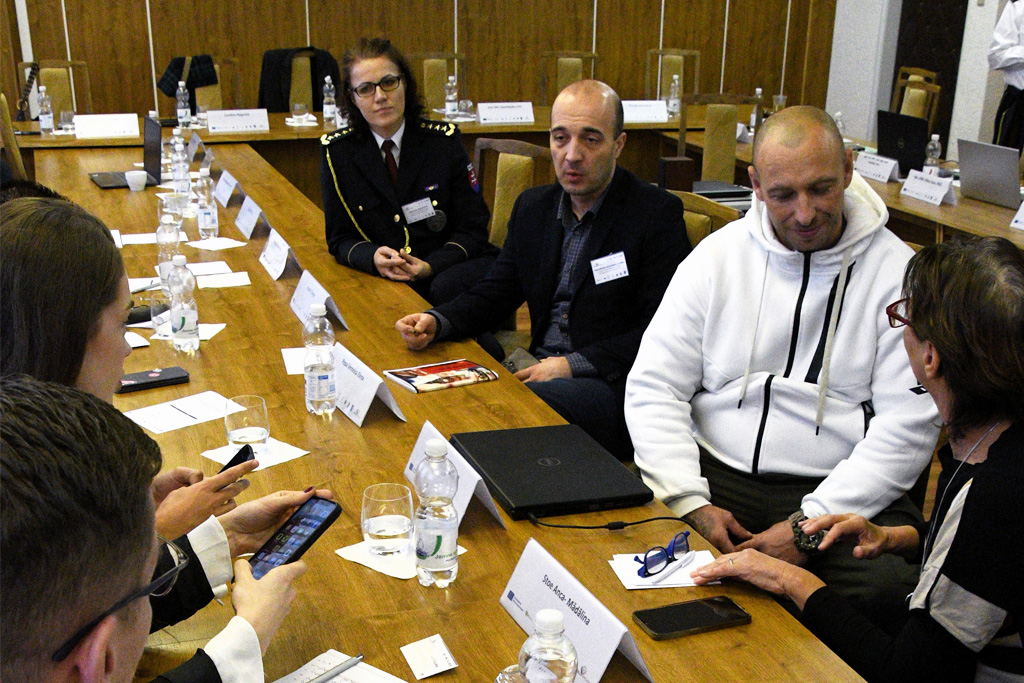
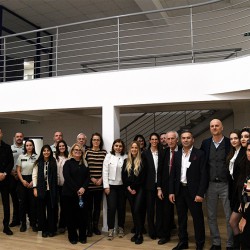
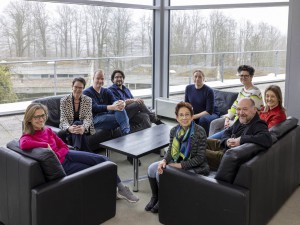
How the procedural rights of suspects and accused persons are implemented in practice from the very first contact with the police was the central theme of a cross-border workshop for Law Enforcement Authorities (LEAs), held on 3–4 December 2025 in Bratislava within the framework of the – FULL-PROOF – Ensuring the due course of criminal proceedings by strengthening respect for the procedural rights of suspects and the accused project.
During the workshop, a representative of the Peace Institute presented the findings of a national roundtable held in Ljubljana in September 2025, as well as insights from interviews with representatives of the police, prosecution service, and lawyers. These perspectives were presented together with interview findings collected by other project partners, enabling a comparative overview of experiences across different countries.
In the Slovenian context, discussions and interviews showed that police officers in practice often face uncertainty as to when suspicion becomes focused on an individual and when it is necessary to begin consistently applying full procedural rights. The need for clearer guidance and for striking a balance between effective police work and the protection of procedural safeguards was also highlighted, as excessive formalisation can in practice slow down proceedings and lead to the exclusion of evidence. Lawyers emphasised that the earliest stages of criminal proceedings are crucial for effective defence, as preparation time is often very limited, particularly in cases of detention. Specific challenges faced by foreign nationals were also highlighted, especially regarding access to legal aid and the provision of adequate interpretation.
Experiences from the participating countries indicate that EU directives on procedural rights—particularly those concerning the right to information, access to a lawyer, and legal aid—have largely been transposed into national legal systems. Nevertheless, in practice, especially during the first hours following deprivation of liberty, challenges persist, including unclear or incomplete information on rights, delays in access to legal assistance, and insufficient or uneven quality of interpretation services.
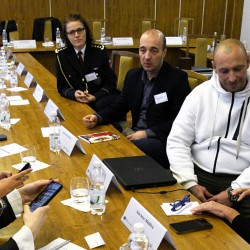
The FULL-PROOF project places strong emphasis on experiential learning, which was clearly reflected in the workshop programme. Participants worked on concrete cases, discussed real-life situations from police practice, and jointly explored ways to better implement procedural rights in everyday work. A distinctive part of the programme involved engagement with individuals serving prison sentences, allowing participants to consider procedural safeguards also from the perspective of those for whom these rights are intended.
The workshop programme concluded with a study visit to the Bratislava Police Department and the Police Museum, offering participants additional insight into Slovak policing practice and its institutional framework.
The workshop forms part of the broader efforts of the FULL-PROOF project to strengthen cross-border cooperation based on communication, transparency, and respect for procedural safeguards, with the aim of ensuring effective and rights-respecting law enforcement across Europe.
For more information, please visit the project website: https://full-proof.eu/