Exercising Procedural Rights in Criminal Proceedings: Exchange of Practices and Challenges at International Workshops in Sofia and Bucharest
Exercising Procedural Rights in Criminal Proceedings: Exchange of Practices and Challenges at International Workshops in Sofia and Bucharest
8. 5. 2026 | Human Rights and Minorities
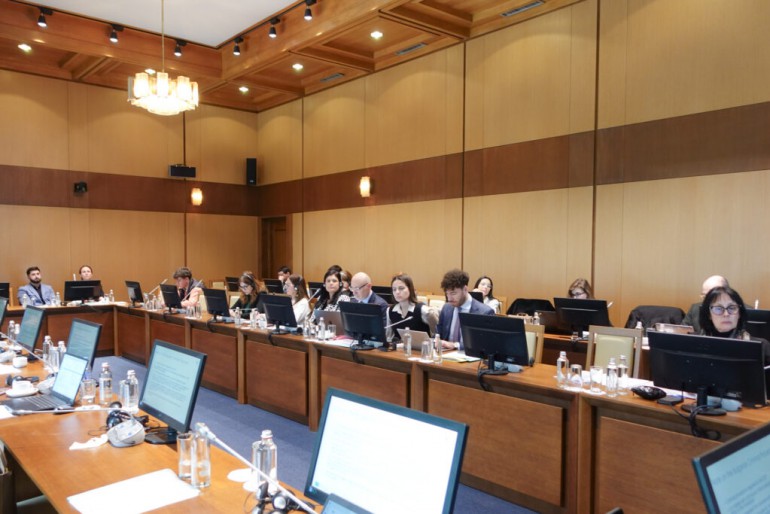
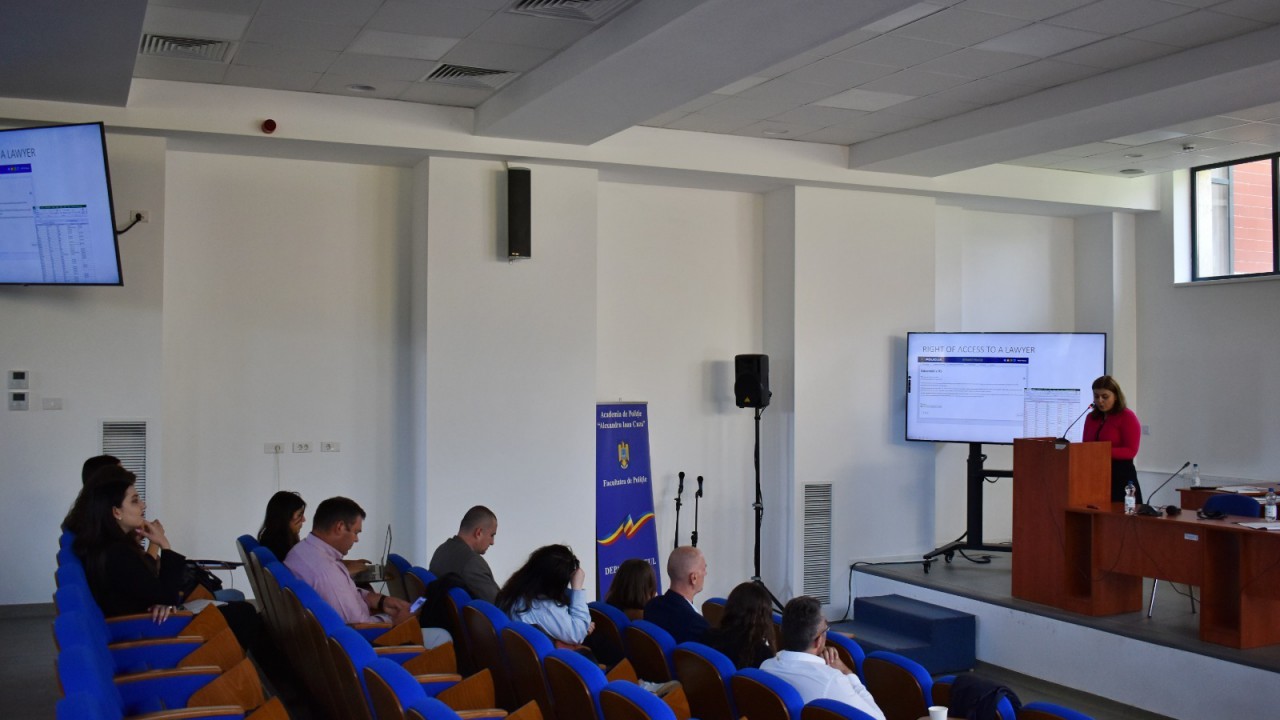
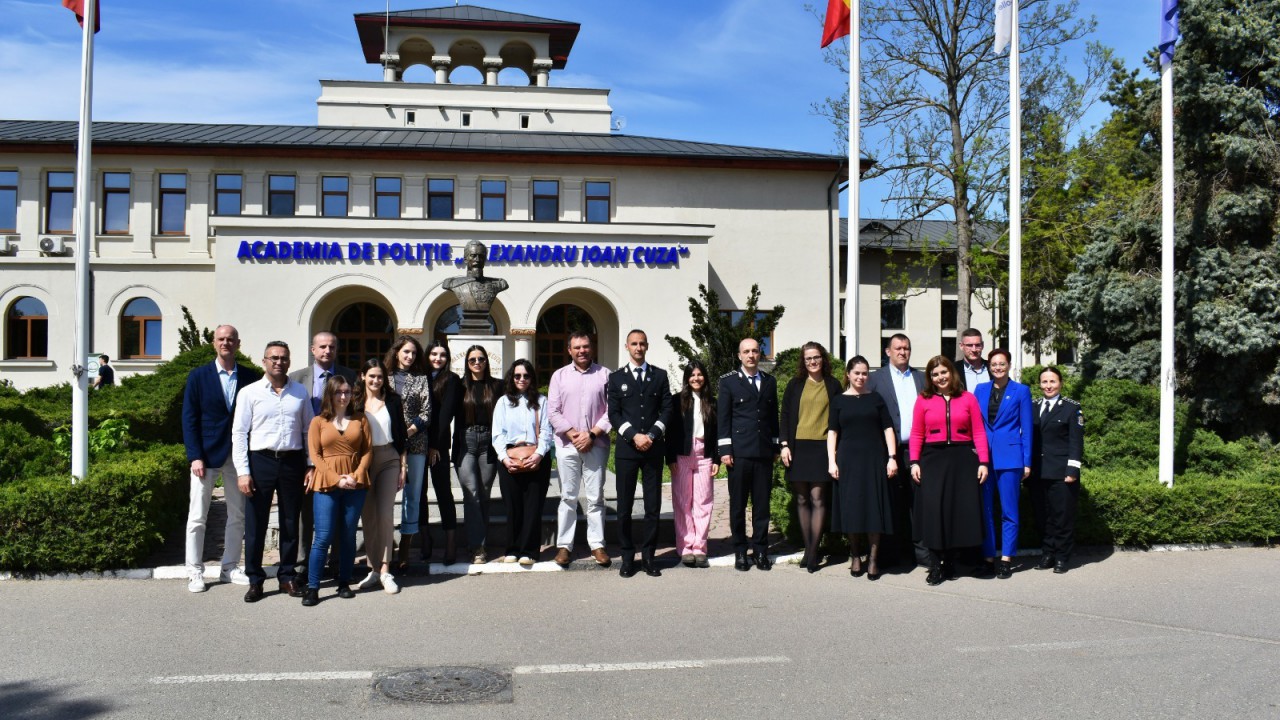
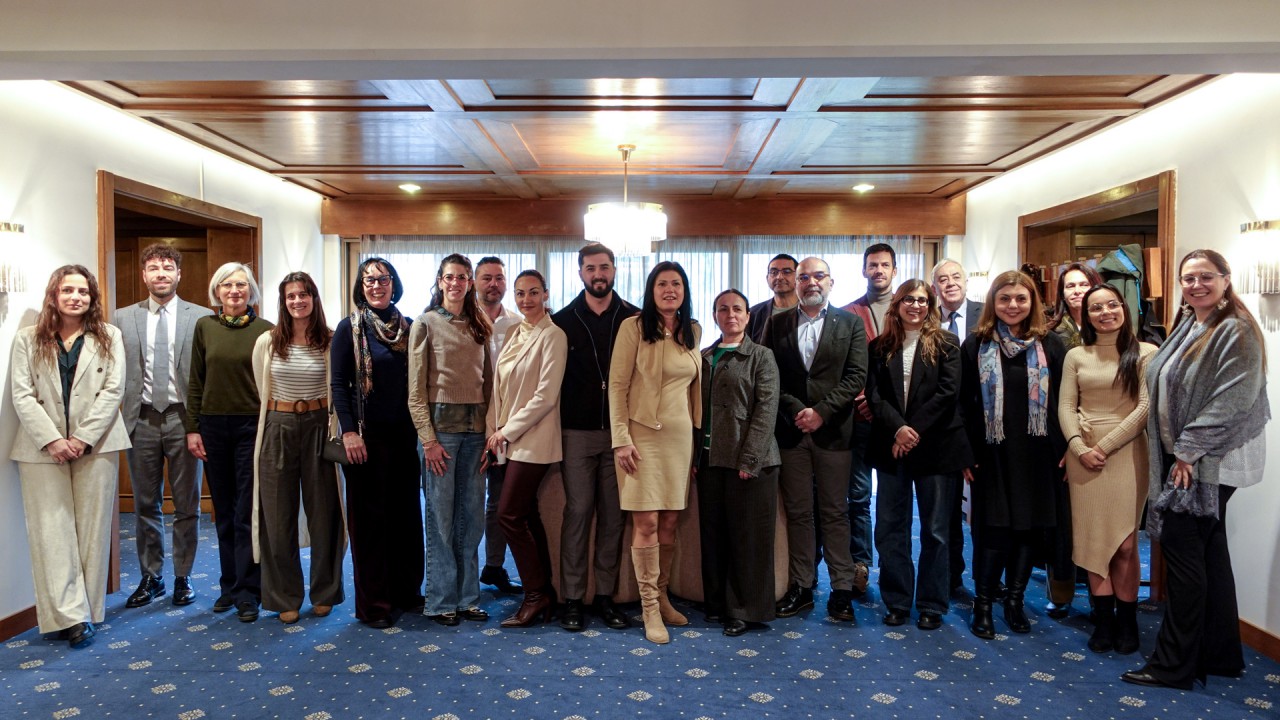
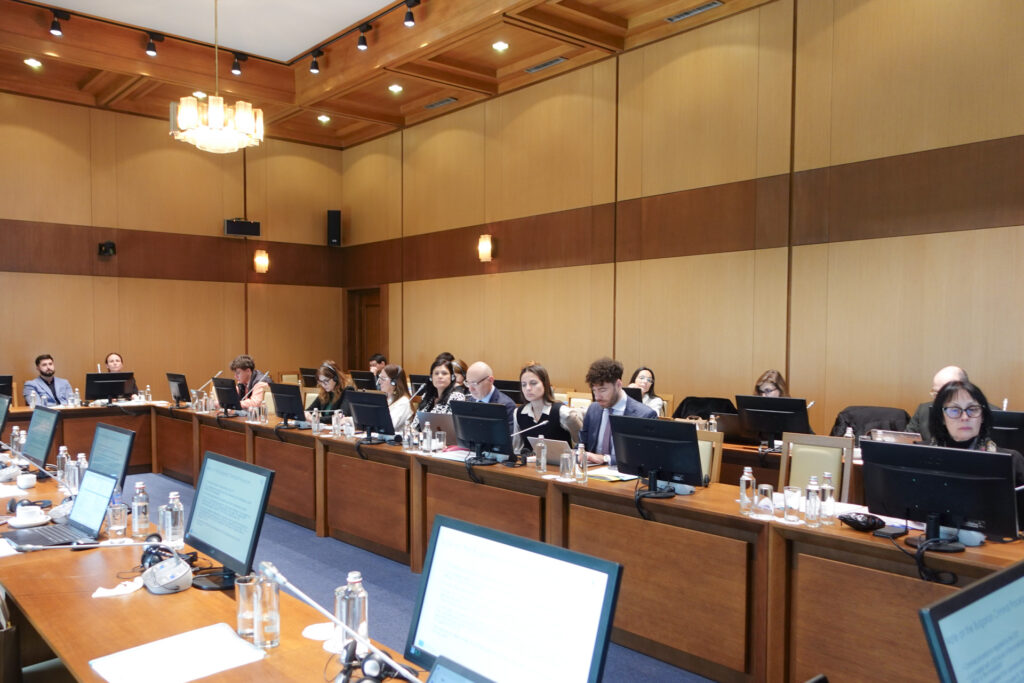
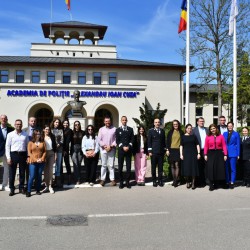
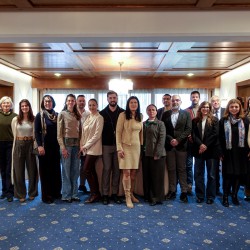
Two international workshops held in Sofia and Bucharest in March and April, as part of the FULL-PROOF project, brought together lawyers and police representatives from Bulgaria, Italy, Poland, Portugal, Romania, Slovakia, and Slovenia.
Participants discussed the implementation of EU directives on procedural rights, as well as practical issues encountered when dealing with suspects and accused persons. Lawyers Zoran Stankić Rupnik and Aljaž Paulin attended the workshops for legal practitioners in Sofia, where they presented the Slovenian legal framework regarding the procedural rights of suspects and accused persons, and how these rights are applied in practice.
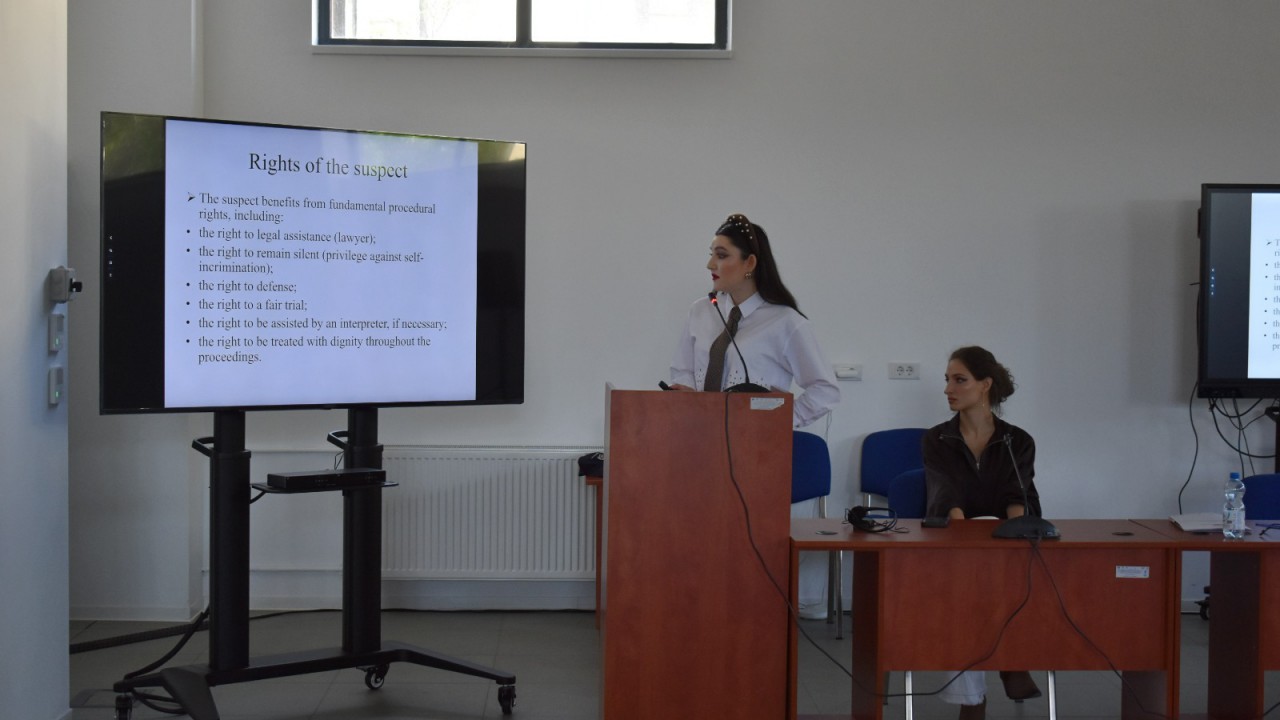
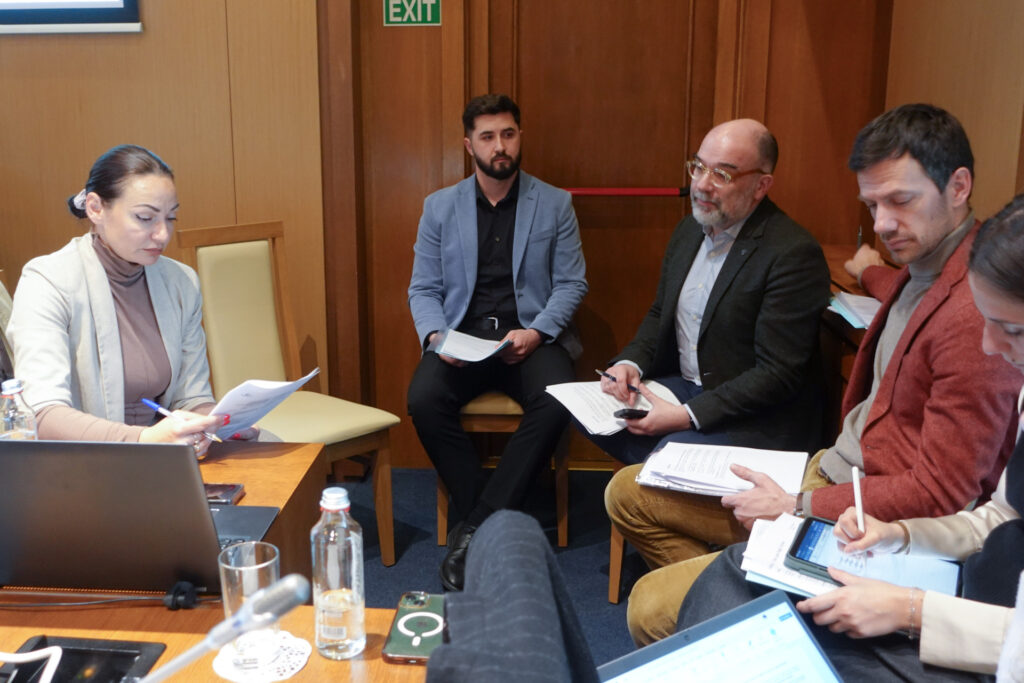
The discussion covered topics such as the right to information for individuals who are not deprived of liberty but are suspected of having committed a criminal offense; access to legal counsel and confidential communication; limited access to case materials during the early stages of proceedings; and the role of case law in upholding EU standards. Dr. Nataša Pivk Urbančič attended the workshops for police representatives in Bucharest. She presented best practices for ensuring the protection of rights from the very first point of contact between the police and a suspect. She also addressed challenges related to interpretation and translation services for less commonly used languages—an issue also highlighted by police representatives from other participating countries.
A representative from the Peace Institute also attended the workshops, presenting findings from reports based on interviews and contributions from a national workshop with justice professionals. These findings outline experiences and perceived obstacles regarding the exercise of procedural rights. During the discussions, participants paid particular attention to issues such as the portrayal of the presumption of innocence in the media and the impact of social prejudices on criminal proceedings—topics also highlighted in research by the EU Agency for Fundamental Rights (FRA).
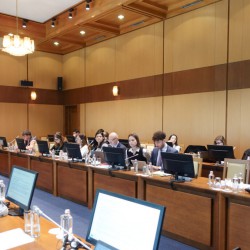
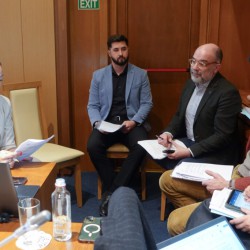
A significant component of both workshops consisted of interactive discussions and simulated case studies, which allowed participants to share experiences and compare the approaches taken by different countries to ensure procedural rights in criminal proceedings. The discussions at both workshops demonstrated that the effective protection of procedural rights depends not merely on legislation, but primarily on how these rights are implemented in practice.