Media freedom in the EU declines despite new legislation
5. 5. 2026 | Media
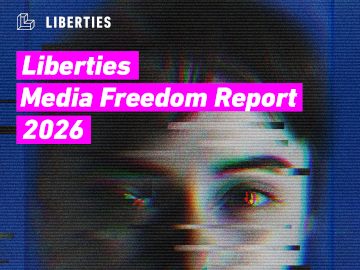
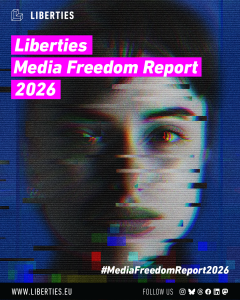 Media freedom and pluralism in the European Union continued to deteriorate in 2025, according to the Media Freedom Report 2026 by the Civil Liberties Union for Europe. Although the EU adopted key legislative measures, including the European Media Freedom Act (EMFA) and the Anti-SLAPP Directive, their implementation across Member States has been slow and largely superficial.
The report, based on contributions from 40 organisations across 22 countries, highlights persistent structural issues such as media ownership concentration, political pressure on public service media, and non-transparent ownership structures. The Peace Institute contributed the national report for Slovenia.
Implementation of the EMFA, in force since August 2025, has stalled in most Member States. Rather than improving conditions, the report identifies regression in several areas: attacks against journalists continue to rise, including cases involving gender-based threats and violence. At the same time, public service media face increasing political interference and financial pressure, undermining their independence.
Progress on the Anti-SLAPP Directive, designed to protect journalists and activists from abusive lawsuits, is also lagging. Many governments are unlikely to meet the transposition deadline, and current proposals often fail to go beyond minimum standards or cover domestic cases, where most abuses occur.
Overall, the report points to a lack of political will at both EU and national levels to safeguard media freedom. This trend raises serious concerns for the rule of law and the state of democracy in Europe.
Read the full report here.