
On the Digitalisation of European Borders and Migration Struggles
17. 8. 2026 | Politics
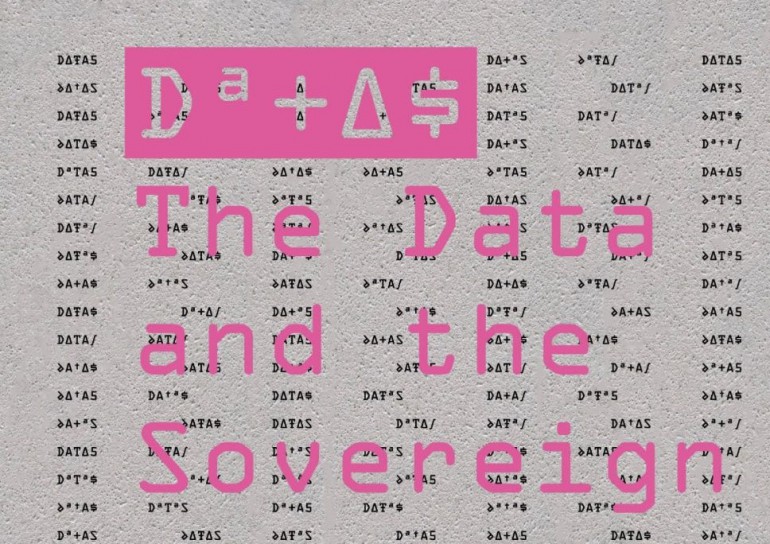
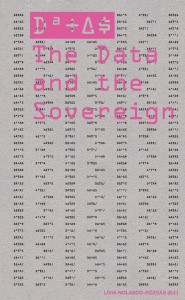 The book DATAS: The Data and the Sovereign, edited by Lívia Nolasco-Rózsás and published by Onomatopee, includes a chapter by Mojca Pajnik entitled “Algorithmic Reconfiguration of Borders and Tactical Anonymity: Migration Struggles in the Age of Digital Bordering.
The chapter examines European migration governance and the digital transformation of European border regimes as a “regime of cruelty” in which biometric technologies, automated risk assessment, and other systems of digital surveillance increasingly determine who is able to move, under what conditions, and who becomes subject to intensified scrutiny.
At the same time, drawing on the autonomy of migration perspective, the chapter foregrounds migrant agency and the various practices through which people navigate, circumvent, and reshape border regimes. These include “tactical anonymity” – the strategic management of one’s visibility and data traces under conditions of intensified digital surveillance. Such practices are not merely responses to border controls but form an important part of the dynamics through which border regimes are continuously transformed.
The analysis of digital borders is situated within the broader political economy of surveillance capitalism. The chapter therefore asks what the expansion of data-driven and algorithmic migration governance means for democratic accountability and digital sovereignty. Struggles over the datafication of migration and algorithmisation of borders are not only matters of migration policy; they concern broader questions of democracy, freedom of movement, and publicly accountable data governance.
DATAS: The Data and the Sovereign addresses one of the potentially defining political struggles of the coming decades: the question of sovereignty at a time when data, artificial intelligence, and computational systems increasingly shape political decision-making, public discourse, and everyday life. Bringing together voices from art, philosophy, and technology, particularly from Central and Eastern Europe, the book explores the possibilities for personal and political self-determination under the dual pressures of surveillance capitalism and authoritarianism.
Related Articles
-
Veronika Bajt published new article on securitized return policy in Slovenia
-
How Do Citizens Understand Media Autonomy and Its Role in Democracy?
-
The mobility of care work between Slovenia and Bosnia and Herzegovina
-
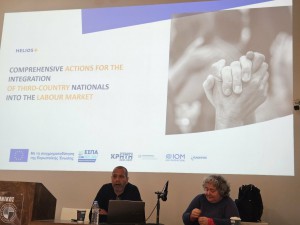
Empowering Migrant Voices in Local Integration and Inclusion: Good Practices of Local-Level Integration in Heraklion, Crete