How to Communicate for Social Change?
7. 10. 2026 | Politics
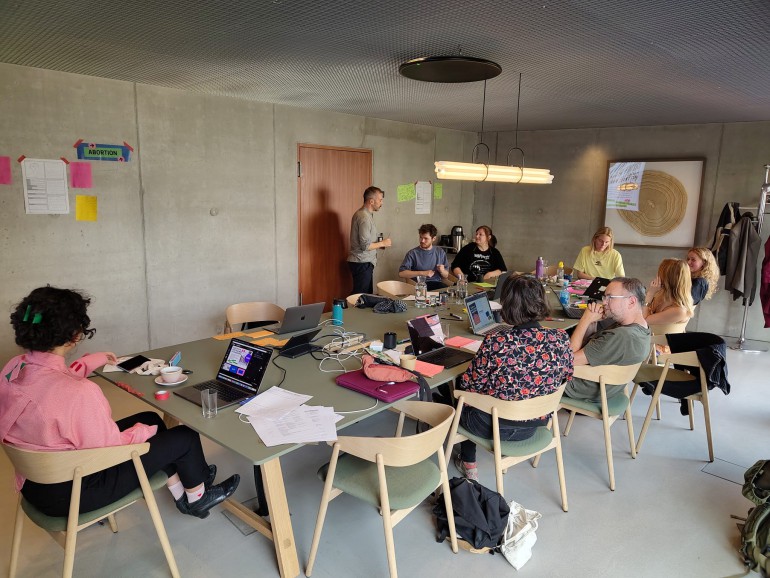
How can we craft messages that do not speak only to those who are already convinced, but can also reach and engage a wider public? How can we shift public narratives and make complex issues of human rights, social justice and democracy more accessible to different audiences?
These questions were at the heart of the Liberties Progressive Messaging Programme, a multi-month training programme organised by the European network Liberties. Jasna Babić Zrimšek from the Peace Institute also took part in the programme.
The programme combined insights from social psychology and cognitive linguistics with practical work. Participants learned how to craft persuasive messages, work with values and narratives, better understand different audiences, and develop creative content for campaigns.
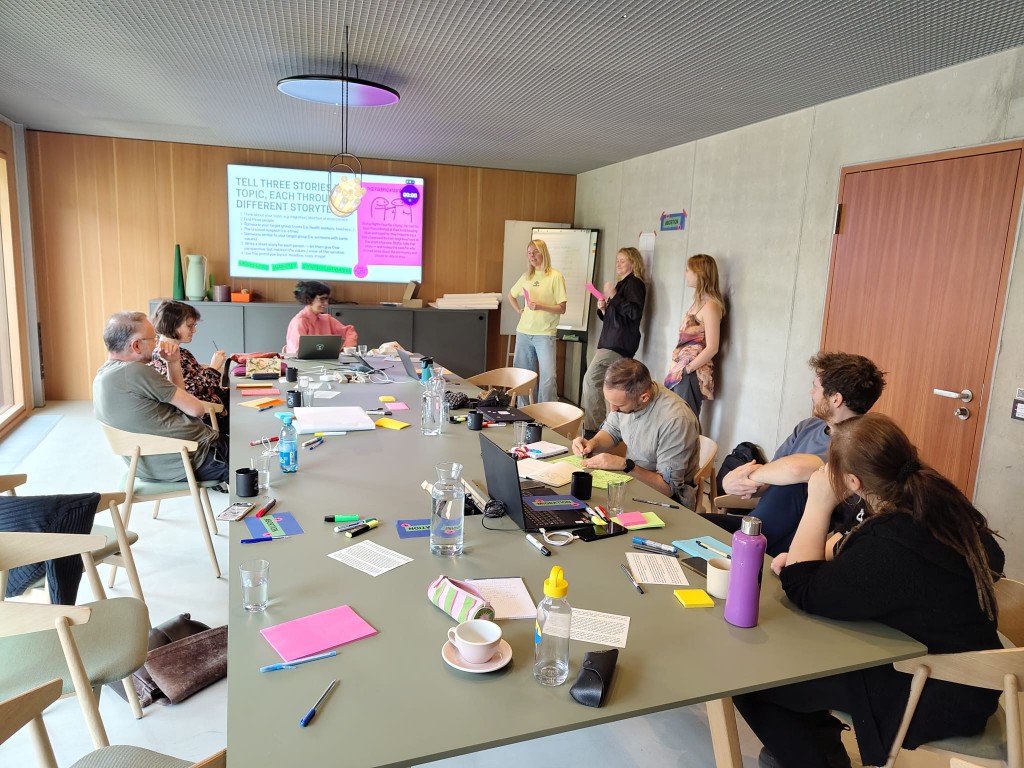
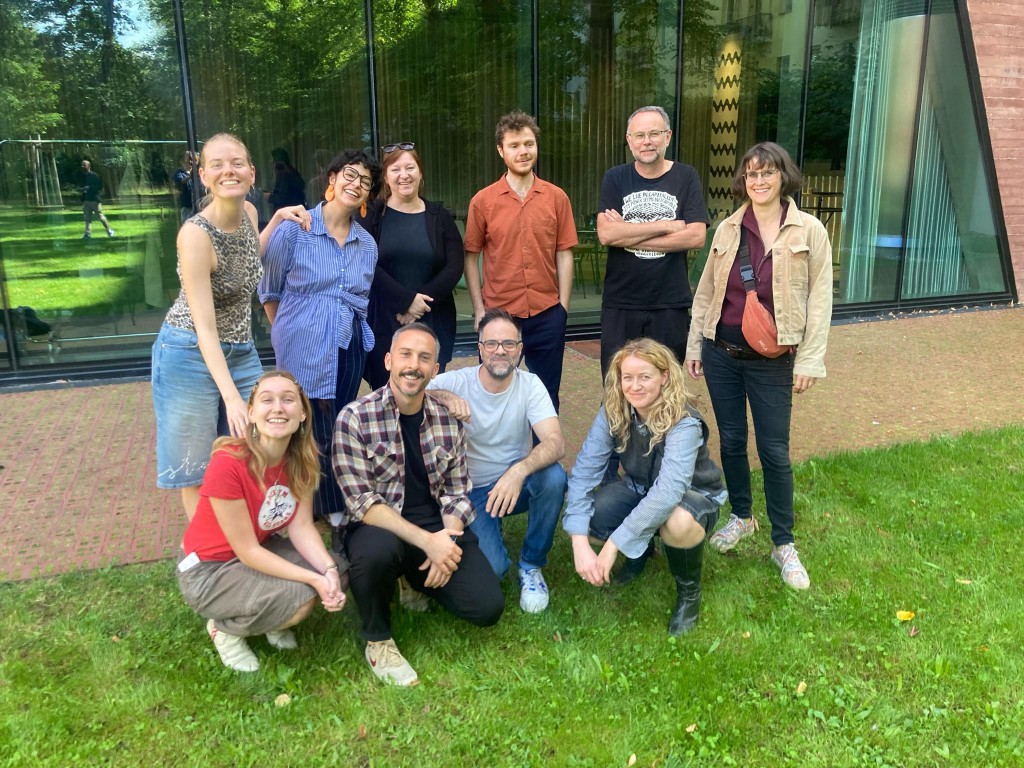
The programme concluded with a four-day workshop in Berlin, held from 28 September to 1 October 2026. The workshop focused primarily on practical work: participants presented their own pitches and received feedback, explored creative principles, and developed ideas for content. The final day was dedicated to selecting the strongest ideas, giving strategic feedback, and turning narratives into content that could be tested.
The programme brought together strategic thinking, message development, creative methods and practical training skills, with the aim of enabling participants to share and apply what they had learned within their own organisations and wider communities.
If we want to contribute to social change, having good arguments is not enough. It also matters how we communicate them, whom we address, and what vision of the future we open up through our messages.