9th Programme Group Symposium: Elderly Poverty, Sexual Harassment, Migrant Rights and Feminist Innovations
7. 4. 2026 | Politics
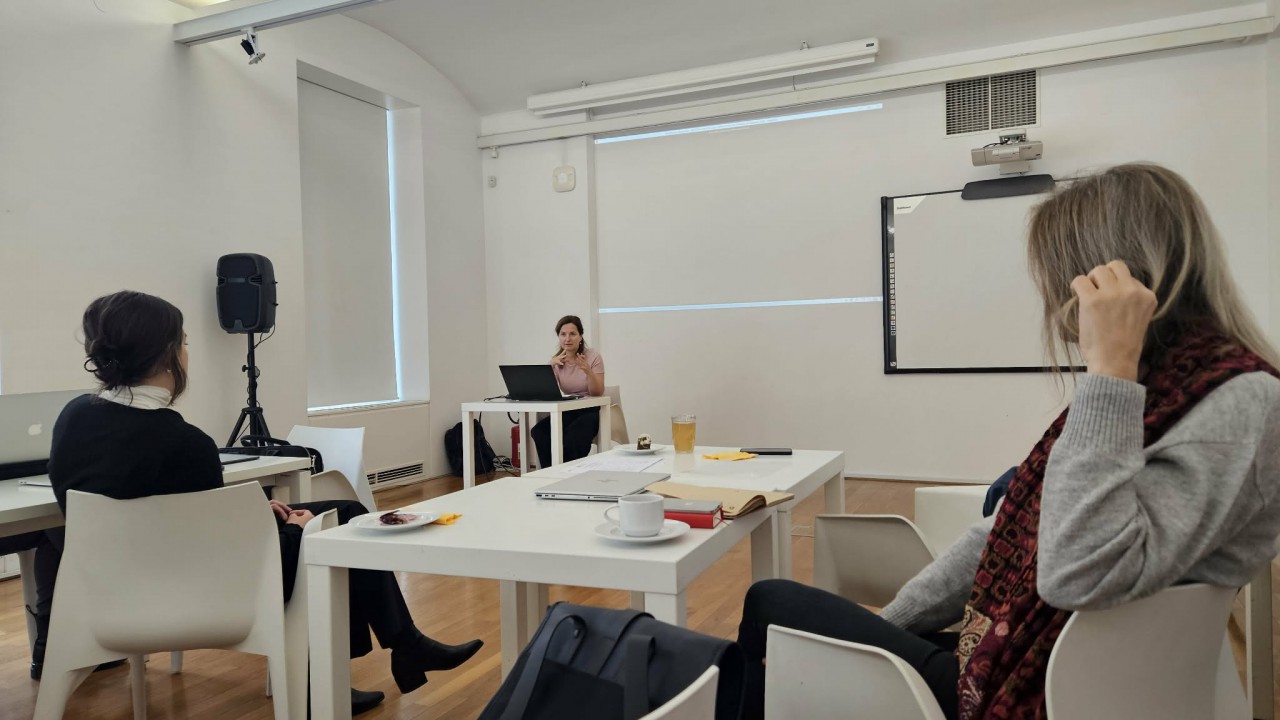
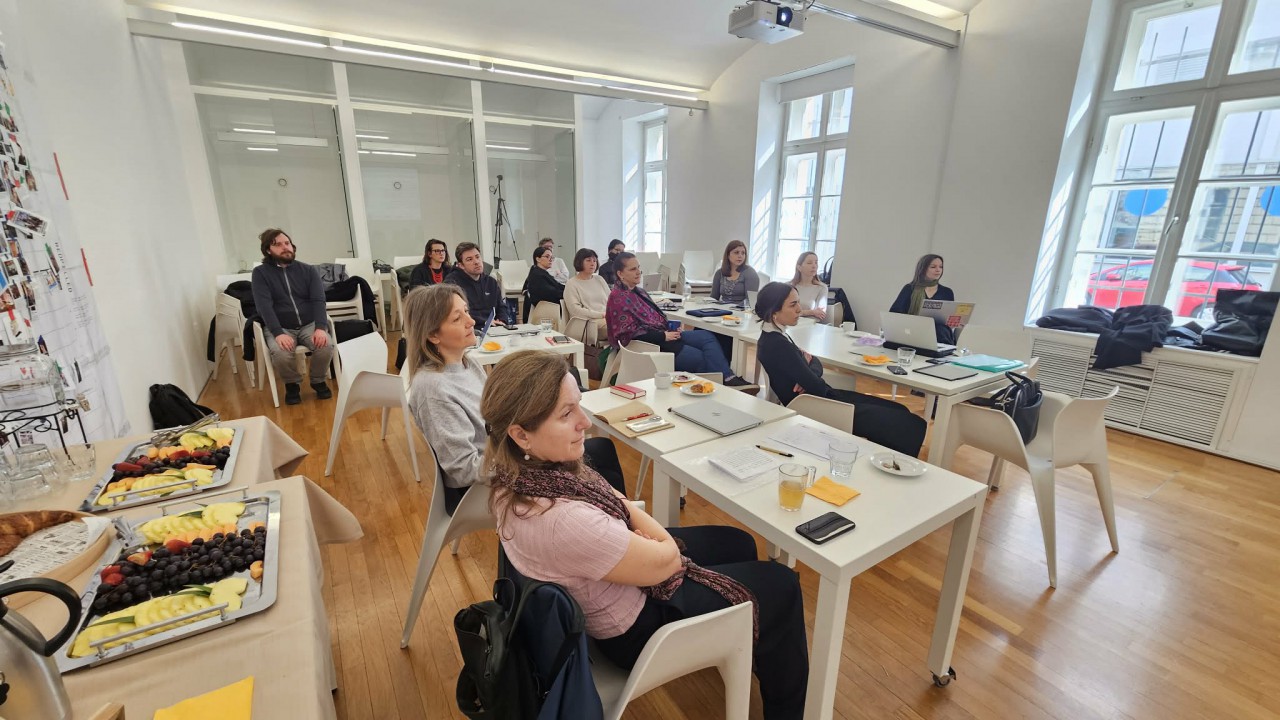
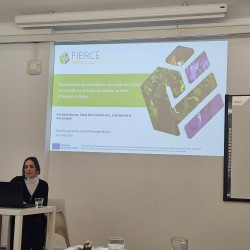
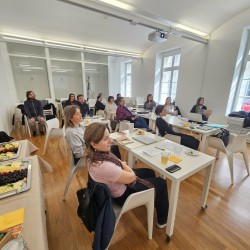
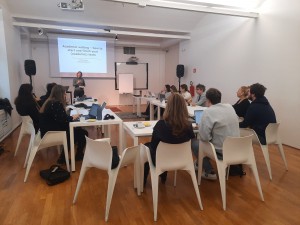
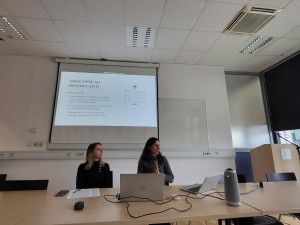
On Friday, 13th March 2026, the 9th Programme Group Symposium of the Mirovni inštitut took place as part of the research programme ‘Equality and Human Rights in the Age of Global Governance,’ at which researchers presented their findings on key issues facing vulnerable groups.
Majda Hrženjak explored Poverty Among the Elderly from the Perspective of Income Rights in Old Age, outlining concepts of social citizenship and the welfare state and identifying key welfare state mechanisms for ensuring income and protecting equality in old age: universal social rights, employment-based social insurance rights, and social benefits. Based on this framework, she analysed the income security system for the elderly in Slovenia.
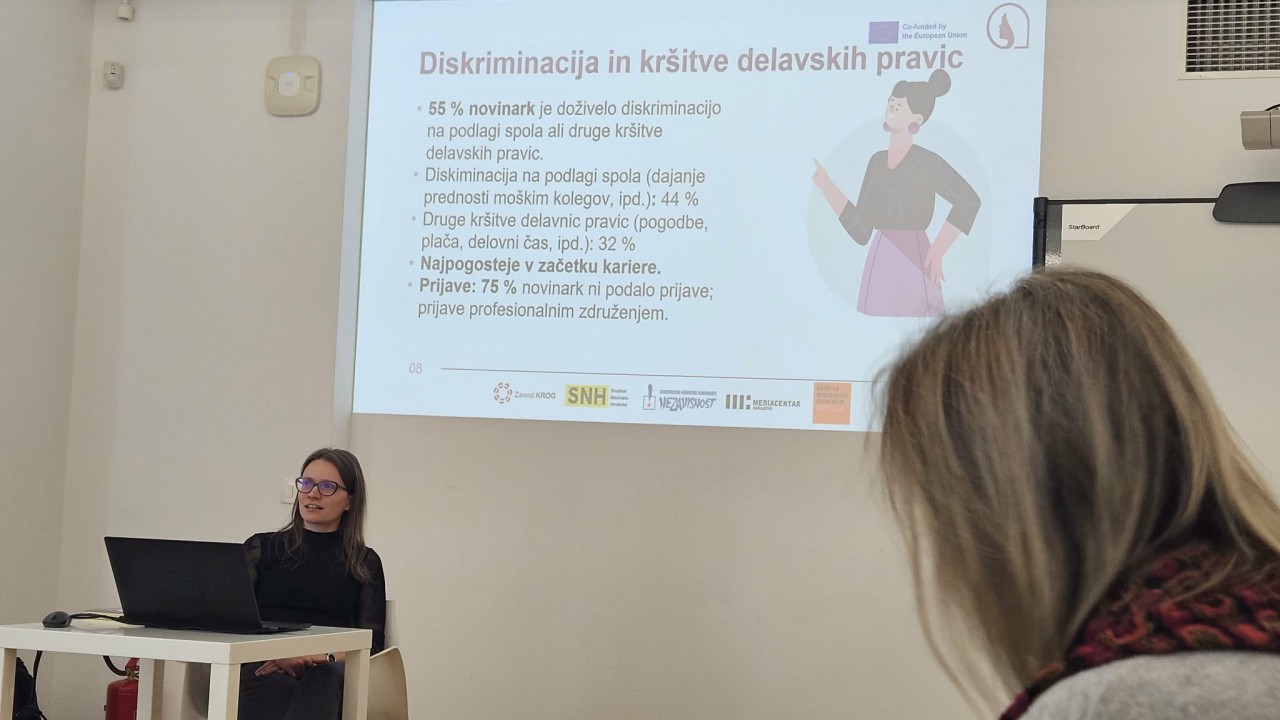
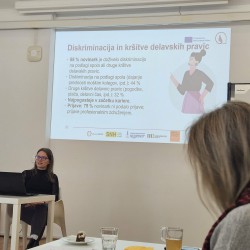
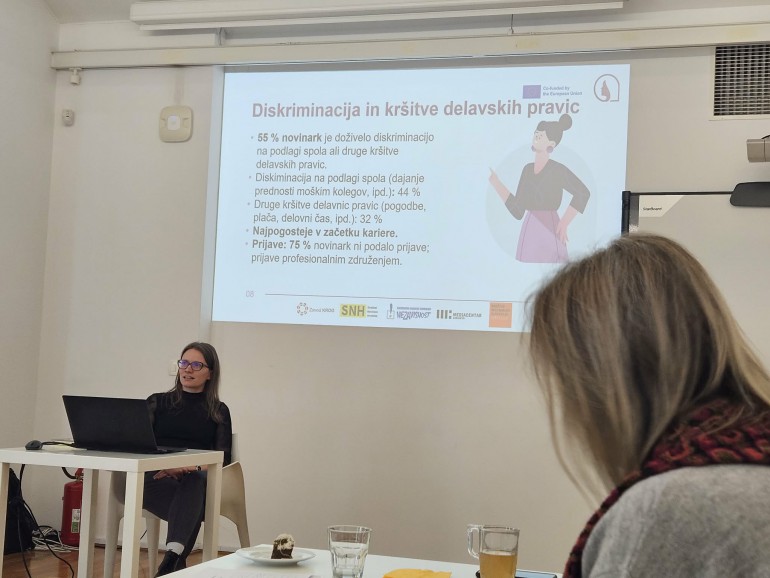
Tjaša Turnšek examined Sexual Harassment and Gender-Based Violence in Slovenian Newsrooms: Between Structural Normalization and Absence of Protection, addressing sexual harassment, gender-based violence, and broader forms of discrimination in Slovenian newsrooms as a structurally conditioned and normalised part of the work environment that existing institutional protection mechanisms rarely address effectively. Results show a high prevalence of various forms of violence: sexist comments and discreditation represent daily experiences for most female journalists, while a significant proportion also report sexual harassment and physical threats or attacks. Although perpetrators are most often colleagues or superiors, the violence is not limited to the internal organisational level but is intertwined with attacks from external actors, particularly in the field and on social media, placing the problem in a broader, multidimensional context of professional exposure and public visibility for female journalists.
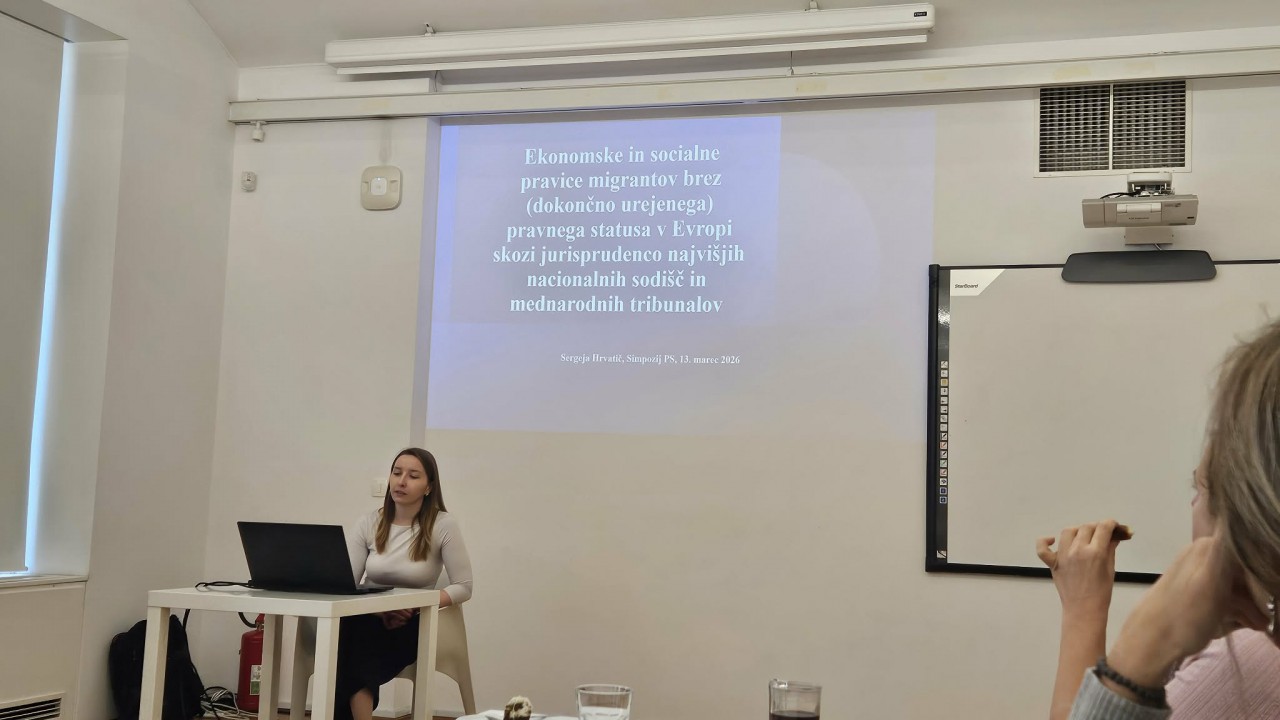
Sergeja Hrvatič analysed Economic and Social Rights of Migrants Without (Finalized) Legal Status in Europe Through the Jurisprudence of Supreme National Courts and International Tribunals, examining the international obligations of states in ensuring economic and social rights for undocumented migrants, asylum seekers, and rejected asylum applicants, and in which cases and how states can be held responsible for ineffectively guaranteeing these rights.
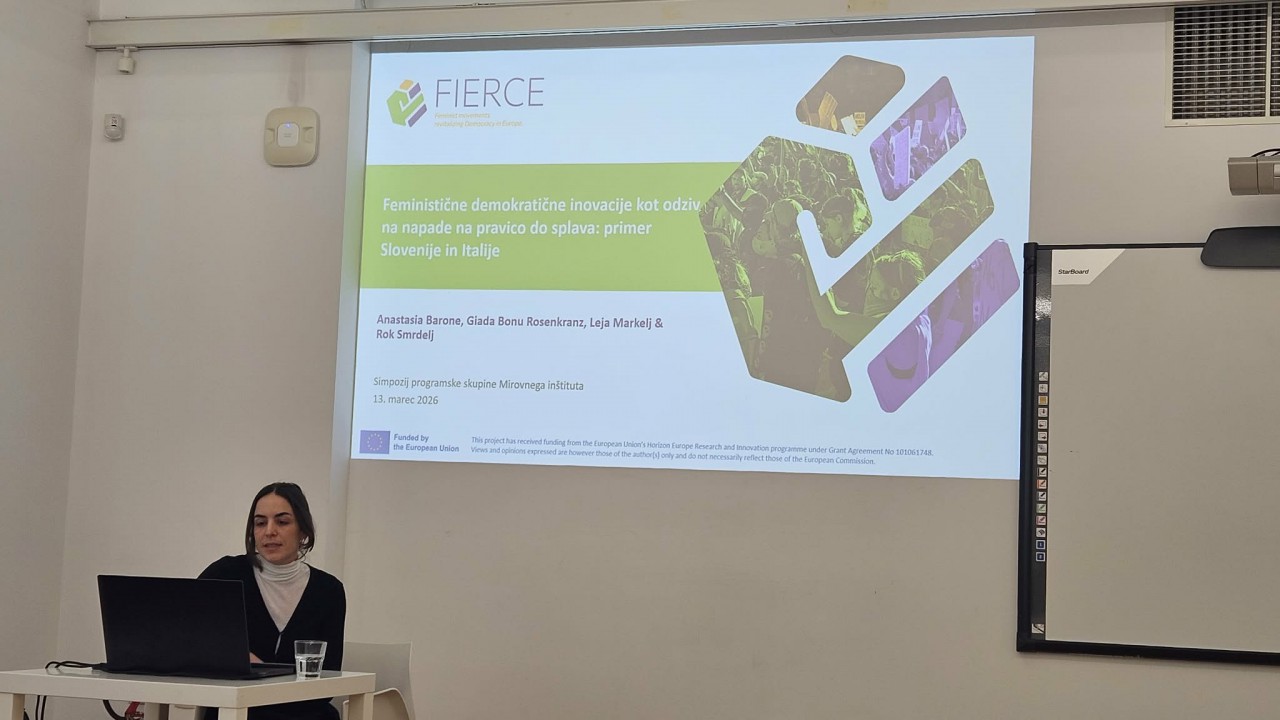
Leja Markelj concluded the symposium with Feminist Democratic Innovations as a Response to Attacks on Abortion Rights: The Case of Slovenia and Italy, examining the strategies of contemporary feminist movements in Italy and Slovenia that respond to informal pressures on abortion rights in the context of strengthening anti-gender mobilisations and de-democratisation processes. Although abortion rights remain legally guaranteed in both countries, actual access is obstructed by numerous anti-gender movement strategies, such as spreading disinformation, systematic use of conscientious objection, discriminatory treatment in the healthcare system, and moralising discourses. The contribution expands understanding of feminist action beyond formal politics and shows how movements strengthen democratic resilience and reproductive autonomy at a time when reproductive rights are increasingly threatened.