International Cross-Professional Seminar in Poznan: From Legal Standards to the Effective Implementation of Procedural Rights in Practice
8. 7. 2026 | Human Rights and Minorities
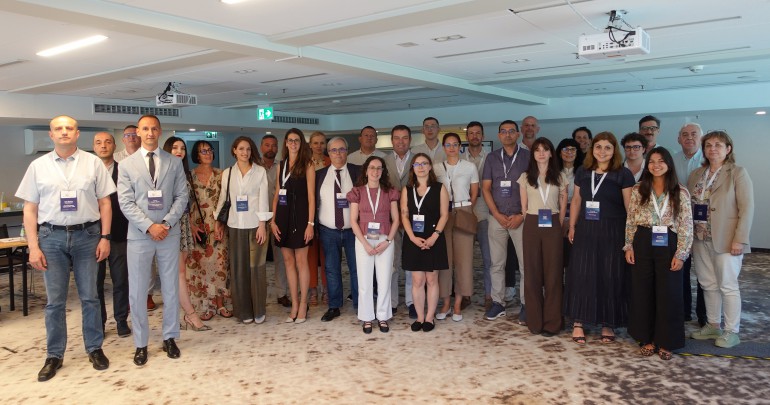
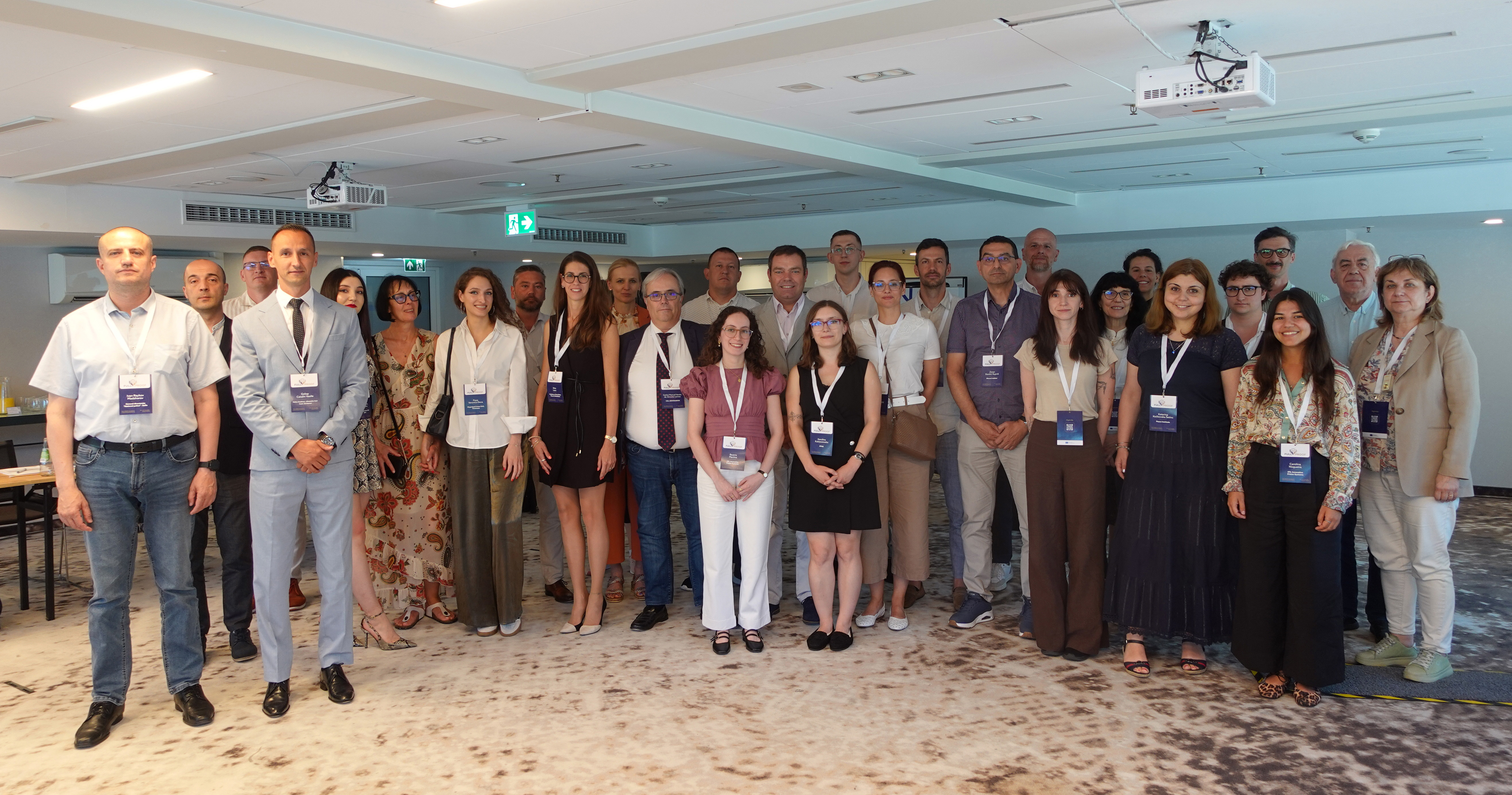
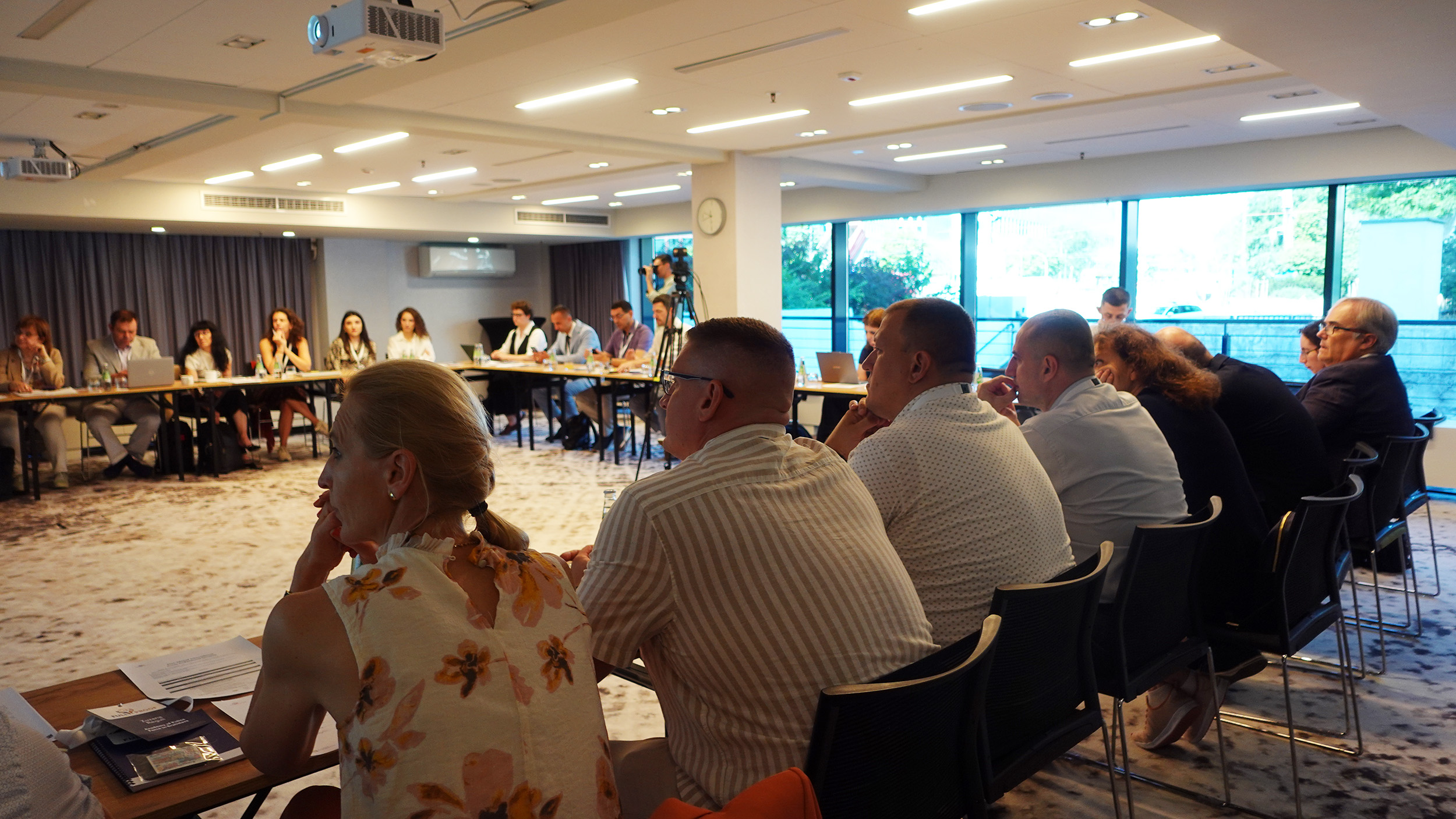
On 24–25 June 2026, an International Cross-Professional Seminar was held in Poznan, Poland, bringing together representatives of the police, prosecution services, the legal profession, the judiciary, civil society organisations and other experts from seven European countries. The seminar provided a platform for exchanging experiences on the practical implementation of procedural safeguards for suspects and accused persons, particularly in cases involving persons in vulnerable situations, and for discussing how to ensure that procedural rights are effectively protected not only in legislation but also during the early, often decisive, stages of criminal proceedings.
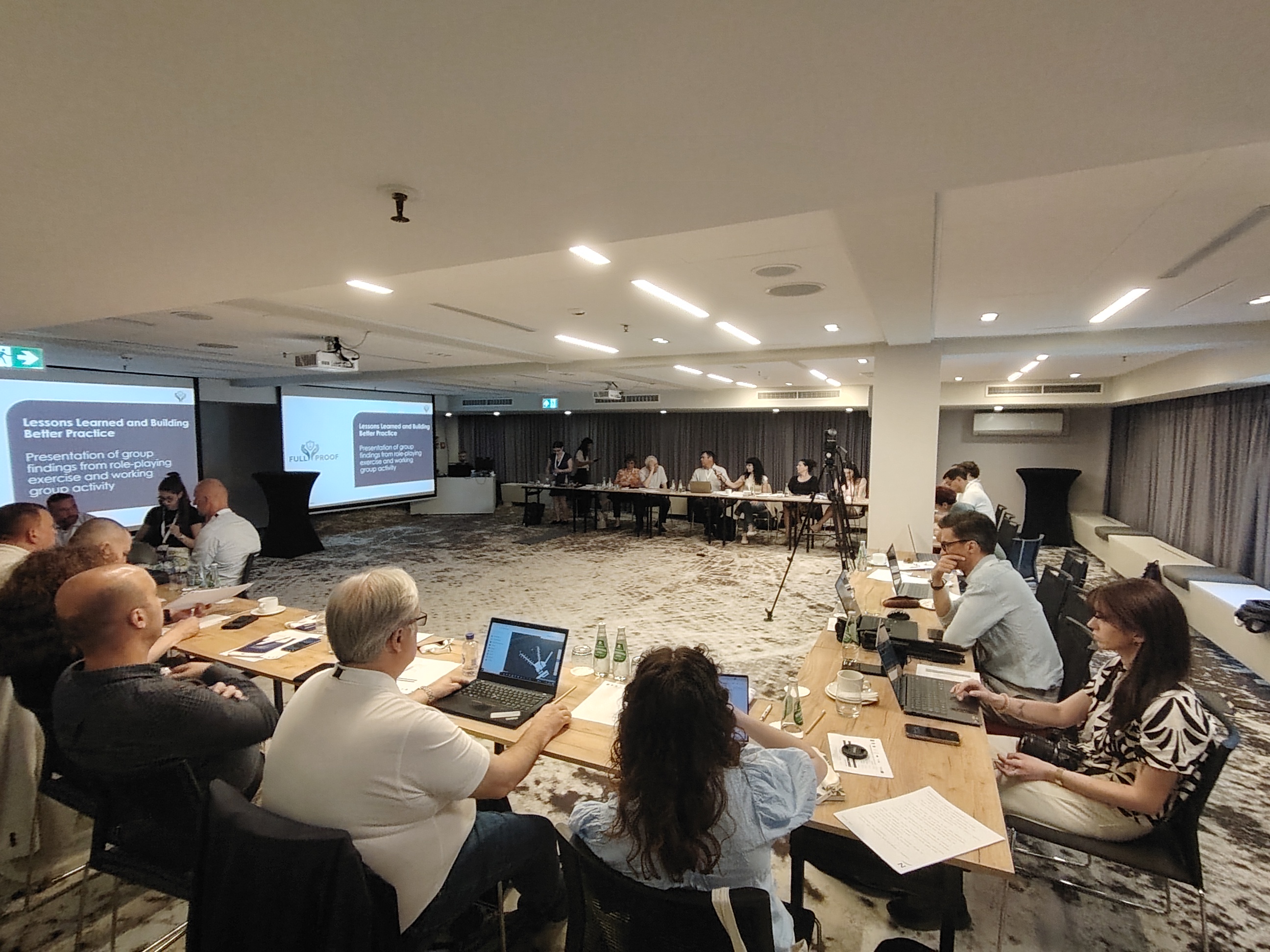
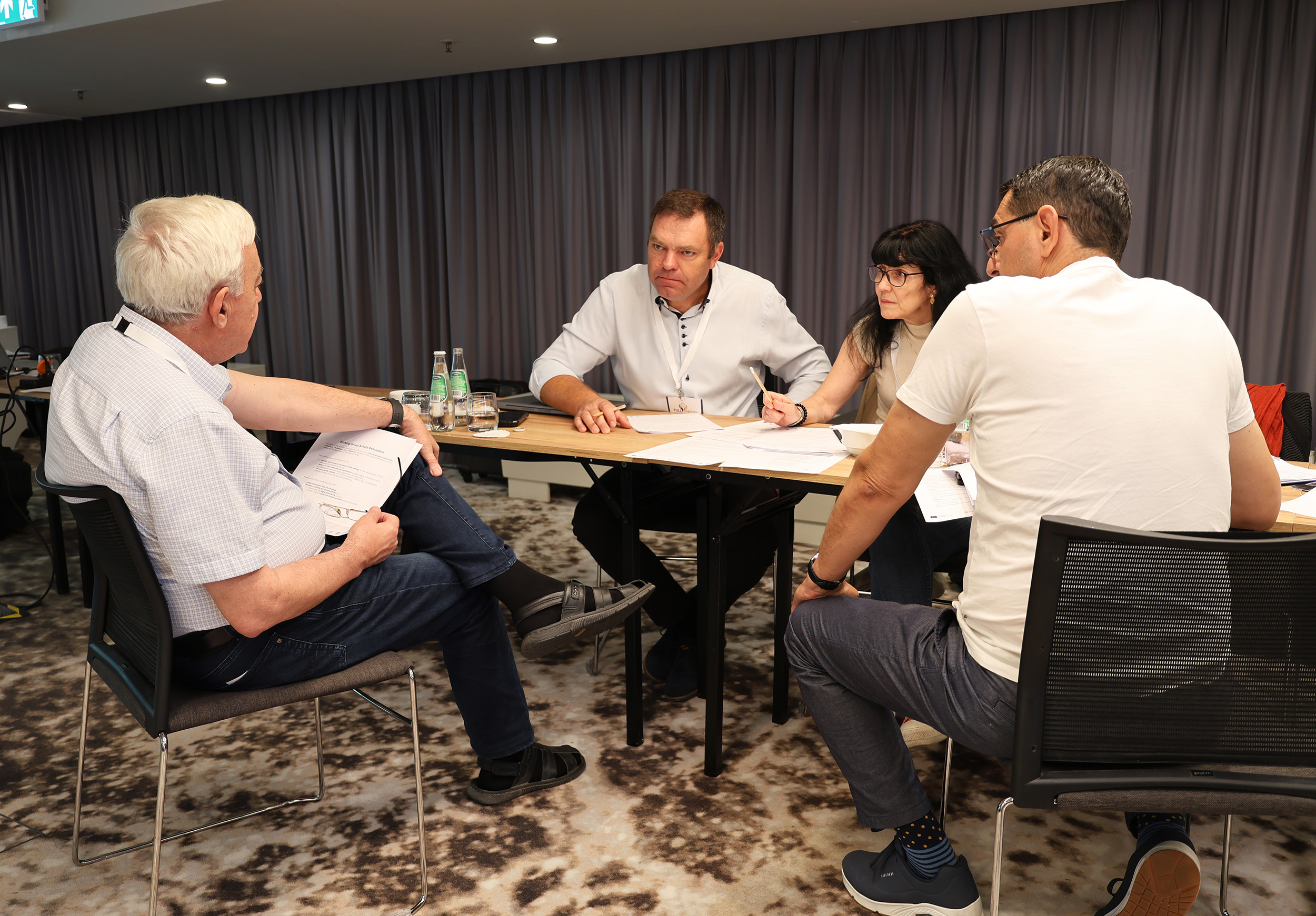
The programme included expert presentations, the presentation of research findings, workshops and an interactive cross-professional case simulation, enabling participants to discuss practical challenges and identify joint solutions.
Discussions focused on procedural safeguards for persons from particularly vulnerable groups during deprivation of liberty, including access to a lawyer, the effective provision of the right to information at the earliest stages of proceedings, and barriers related to language, health, social circumstances or previous experiences of violence.
A central theme of the seminar was identifying where procedural rights are most at risk in practice. The research findings presented demonstrated that while the formal transposition of European Union standards into national legislation provides an essential foundation, it does not in itself guarantee their effective implementation. Procedural safeguards may be undermined where they are not applied promptly, clearly and consistently from the outset of proceedings, particularly where effective communication, access to legal assistance or institutional cooperation are lacking in practice.
The research further showed that the most common obstacles to the effective implementation of procedural rights are organisational in nature. Key challenges identified included insufficient professional training, time pressures, limited human and material resources, and language barriers. Persons with limited proficiency in the language of the proceedings, health conditions, socio-economic disadvantages or previous experiences of violence remain particularly vulnerable, as the formal existence of procedural rights does not necessarily ensure their effective exercise in practice.
Particular attention was devoted to three fundamental procedural rights: the right to information, the right of access to a lawyer, and the right to legal aid. Discussions highlighted that the effective implementation of these rights depends on timely and comprehensible communication of information, genuine access to legal assistance, and effective cooperation among all actors involved in criminal proceedings.
Among the good practices presented were multilingual and user-friendly Letters of Rights drafted in clear and accessible language, proactive promotion of access to a lawyer, cross-sectoral training for representatives of the police, prosecution services, the legal profession and the judiciary, as well as digital solutions for monitoring compliance with procedural rights. Practical tools supporting the transfer of these good practices across different national contexts were also presented, including updates to the CrossJustice database, guidance materials for practitioners and a replicability framework.
In addition to presenting the research findings, the seminar enabled participants to develop recommendations for further strengthening the implementation of procedural rights at both national and European levels. Discussions emphasised the need for further development of practical guidance, stronger interinstitutional cooperation, improved communication among professionals from different sectors of the criminal justice system, and continued training for all practitioners involved in criminal proceedings.
The seminar once again reaffirmed one of the central messages of the FULL-PROOF project: procedural rights are protected not only through legal standards, but above all through the everyday decisions, clear communication and effective cooperation of all professionals involved in criminal proceedings. Only in this way can procedural rights be effectively exercised in practice, contributing to a more effective, fair and trustworthy criminal justice system.