
Empowering Migrant Voices in Local Integration and Inclusion: Good Practices of Local-Level Integration in Heraklion, Crete
14. 4. 2026 | Human Rights and Minorities
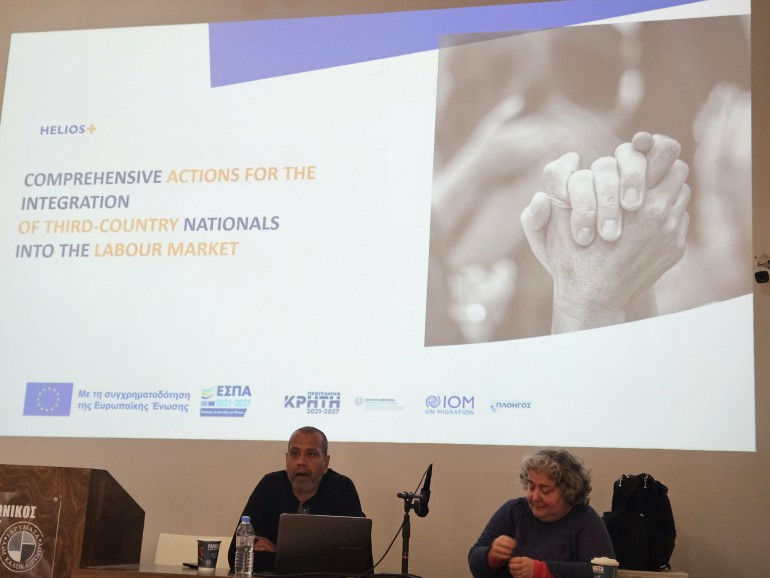
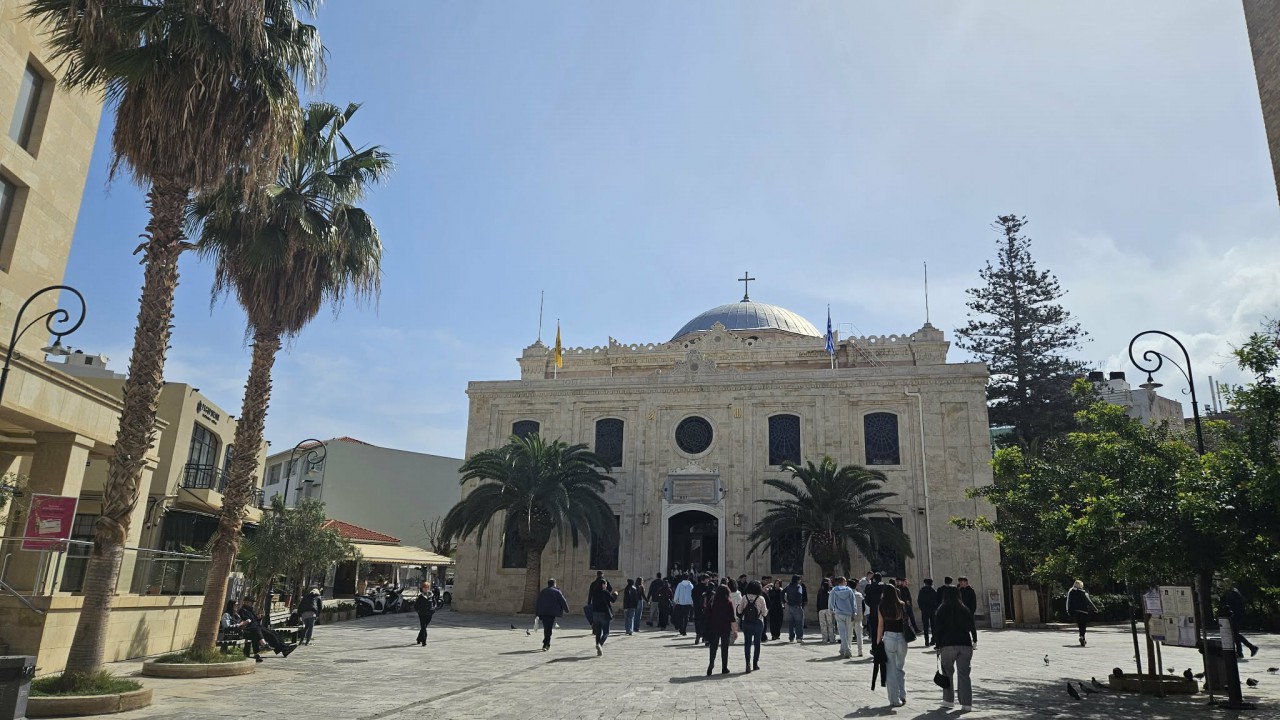
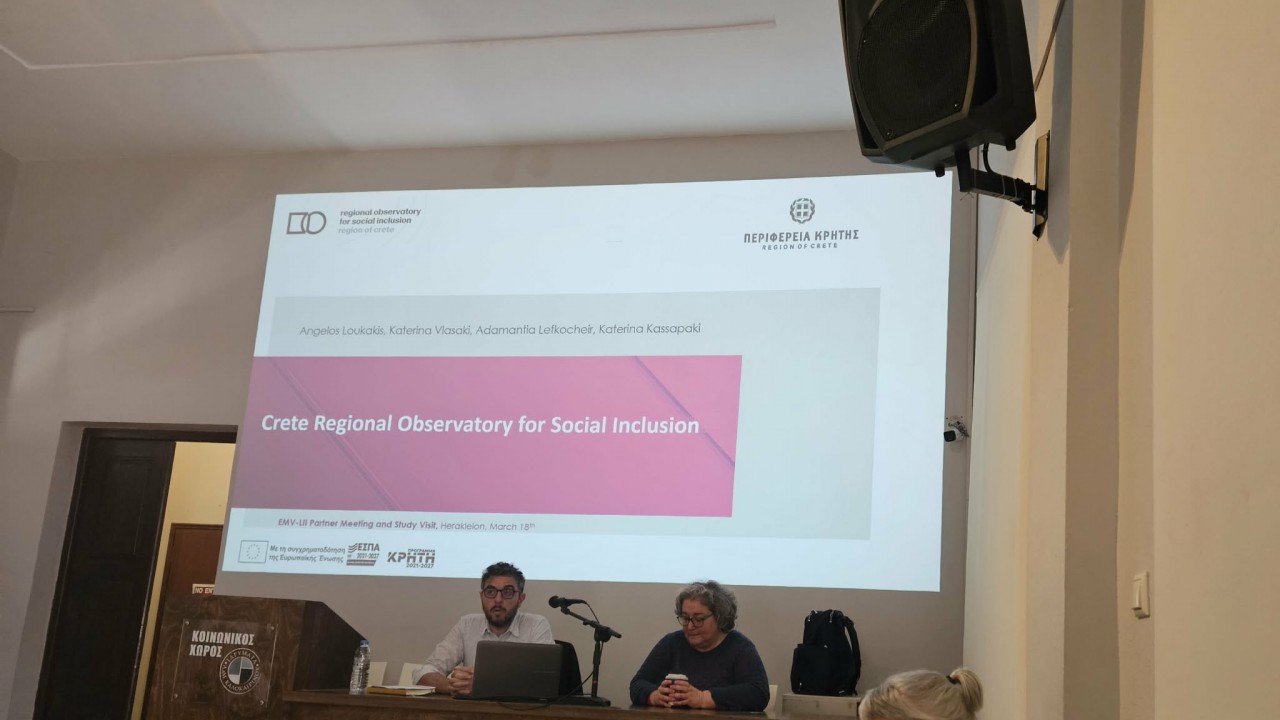
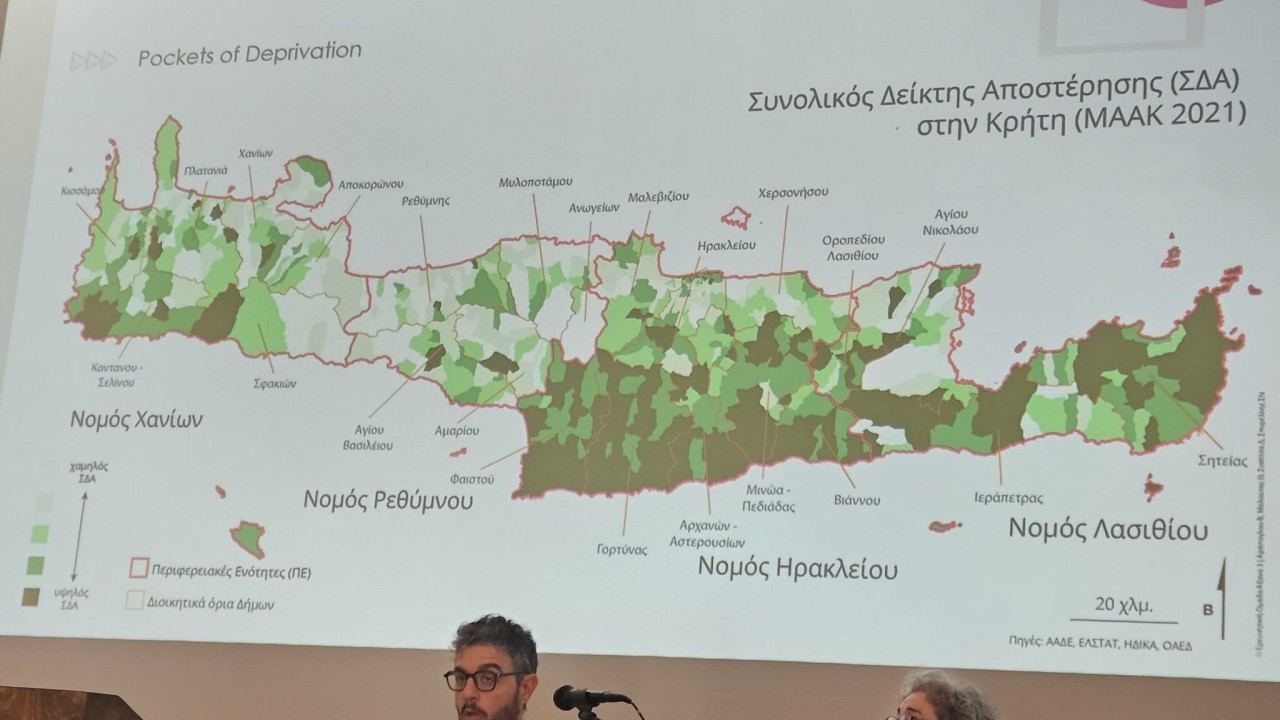
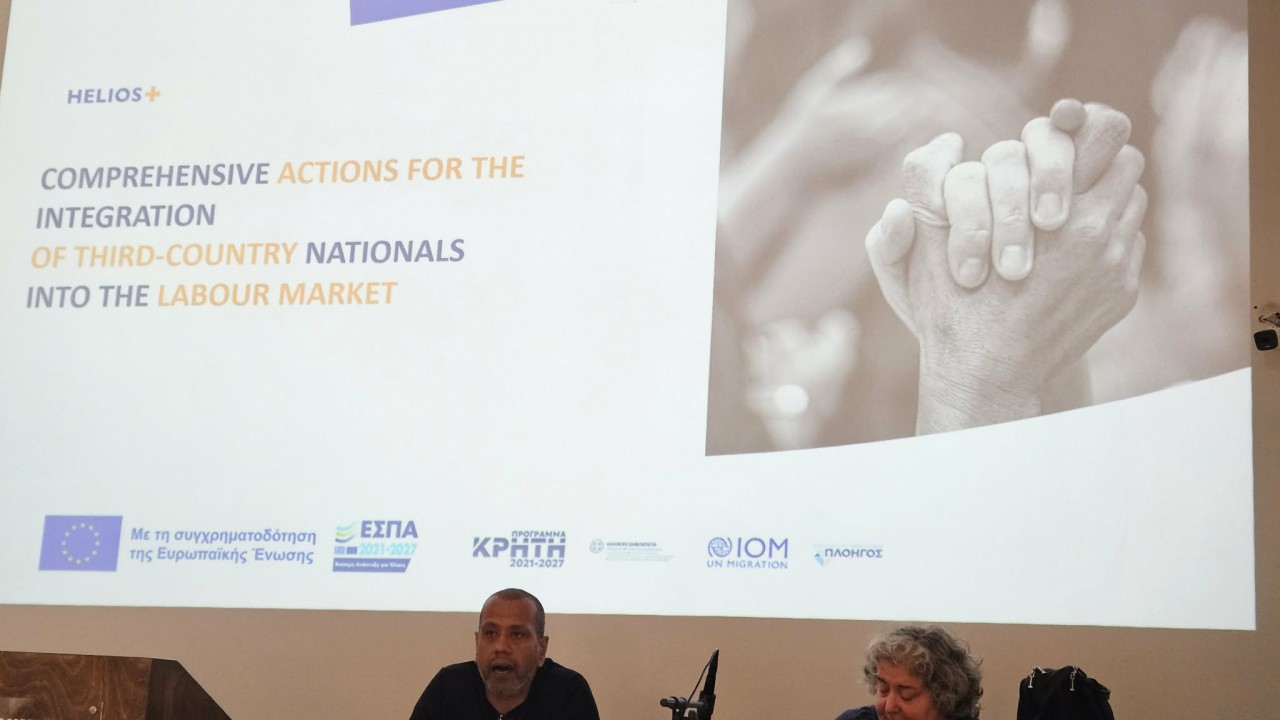
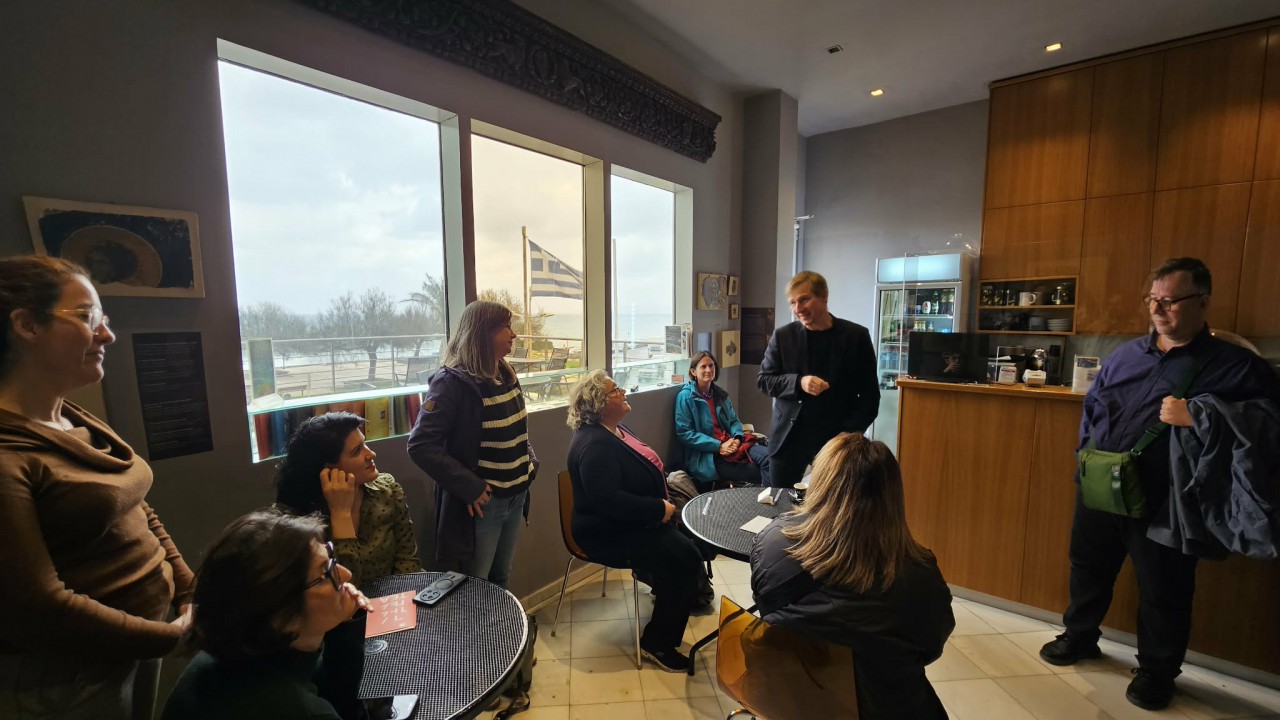
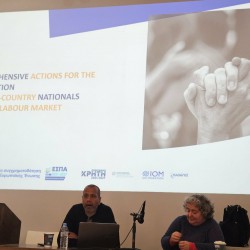
Between 17 and 19 March 2026, the fifth meeting of the international consortium of the project Empowering Migrant Voices in Local Integration and Inclusion took place in Heraklion. In Slovenia, the project is implemented by Mirovni inštitut, Kulturno društvo Gmajna, Mestna občina Ljubljana and Skupnost občin Slovenije. The meeting was organized by the Heraklion Development Agency, which prepared a comprehensive and content-rich programme aimed at deepening the understanding of integration processes, the reception of migrants, and their inclusion in local communities.
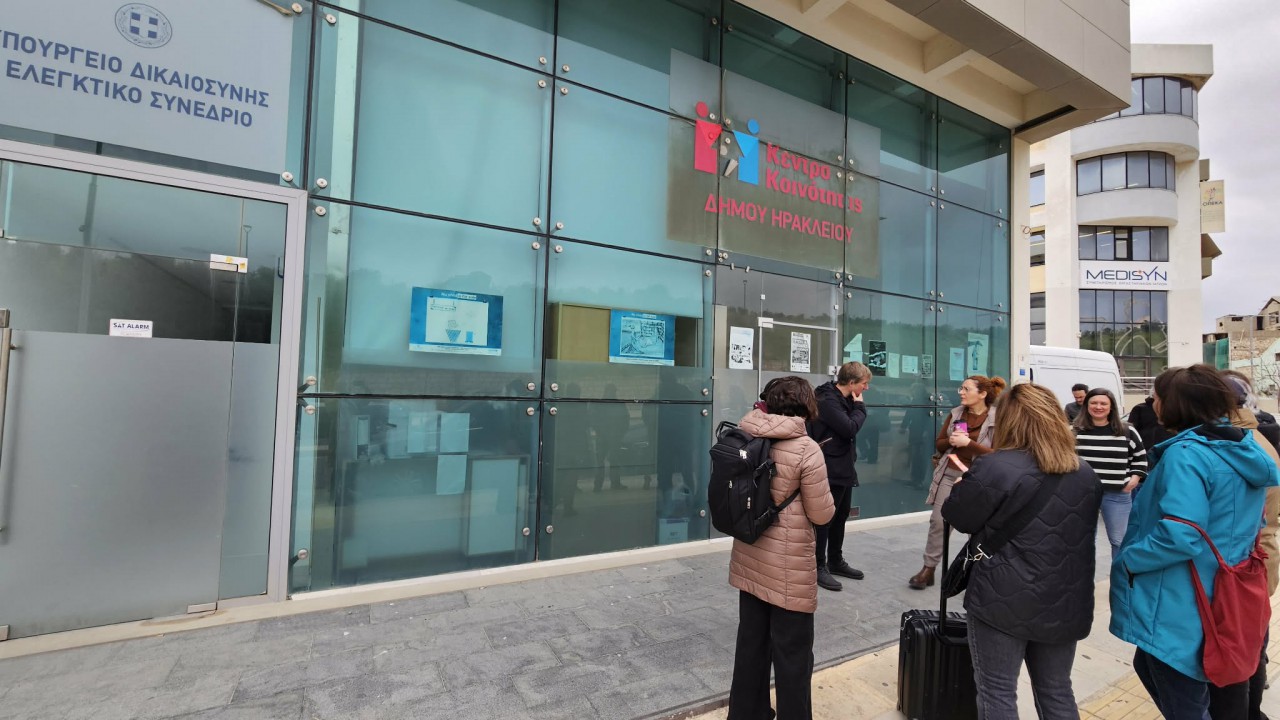
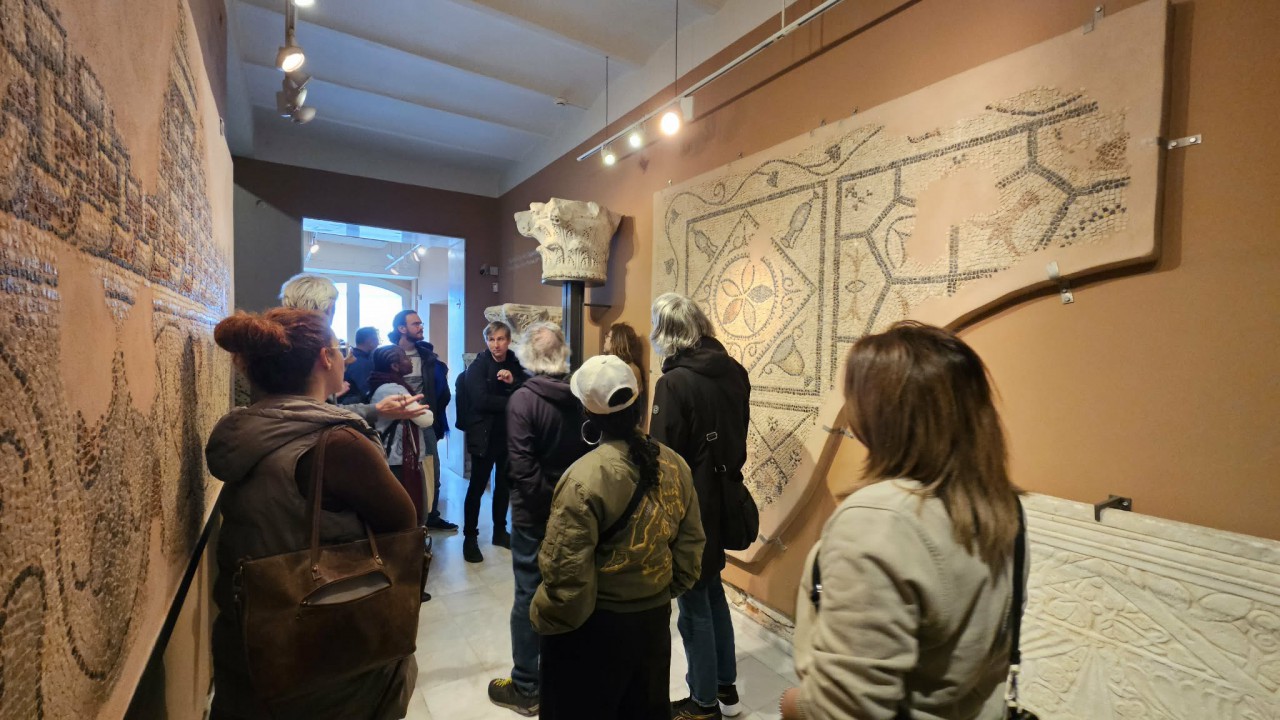
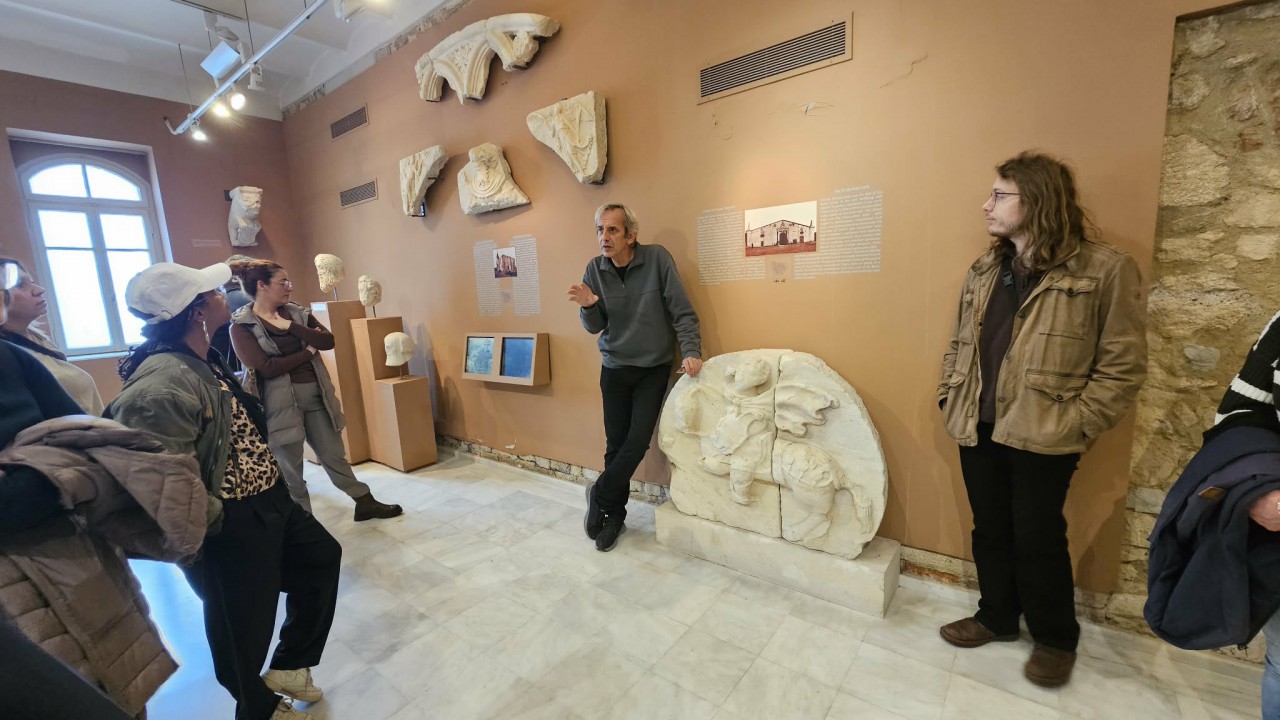
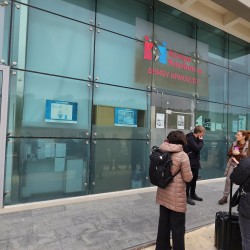
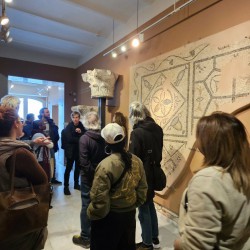
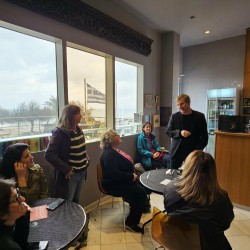
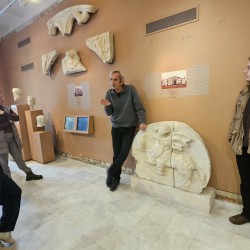
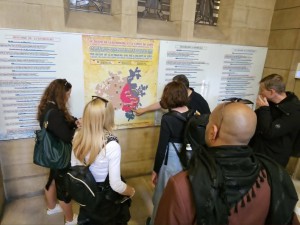
As part of the study visit, participants explored a number of good practices, including a visit to SOS Children’s Villages Greece, where we learned about support services for migrant and refugee children and families. We also took part in a round table with representatives of migrant communities, observed Greek language lessons within a municipal integration initiative at a primary school in Heraklion, and visited the municipality’s Migrant Integration Centre. The programme also included a visit to the Historical Museum of Crete, where a guided tour provided participants with deeper insight into the history of migration on the island.
The meeting significantly contributed to the exchange of experiences and good practices, while strengthening the understanding of the importance of inclusive local policies for the successful integration of migrants into society. It also opened space for reflection on how the knowledge and approaches gained can support the further development of integration practices in the Slovenian context. All participants emphasized the importance of cooperation between institutions, civil society organizations, and migrant communities, highlighting that amplifying migrant voices is essential for shaping effective, sustainable, and equitable policies at the local level.
Related Articles
-
On the Digitalisation of European Borders and Migration Struggles
-
Integration in Slovenia – Key Findings Presented at the 10th African Village Festival
-
New report on civic space resilience: good practices from Slovenia, Croatia, Slovakia and the Czech Republic
-
Empowering Migrant Voices in Local Integration and Inclusion Processes: Good Practices of Local Integration in Luxembourg