
Empowering Migrant Voices in Local Integration and Inclusion Processes: Good Practices of Local Integration in Luxembourg
28. 5. 2026 | Human Rights and Minorities
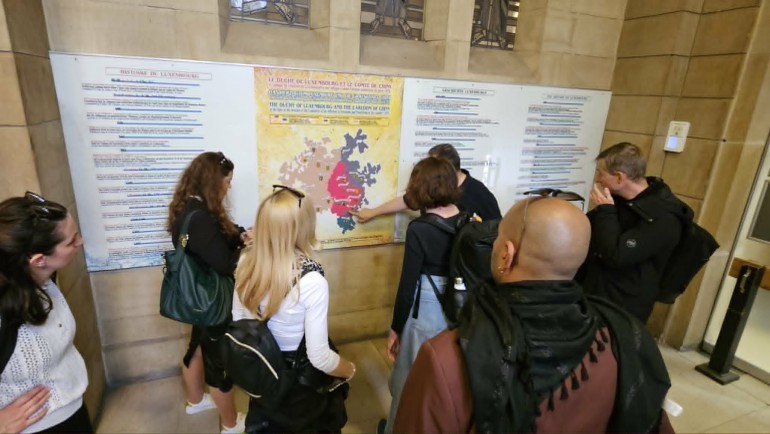
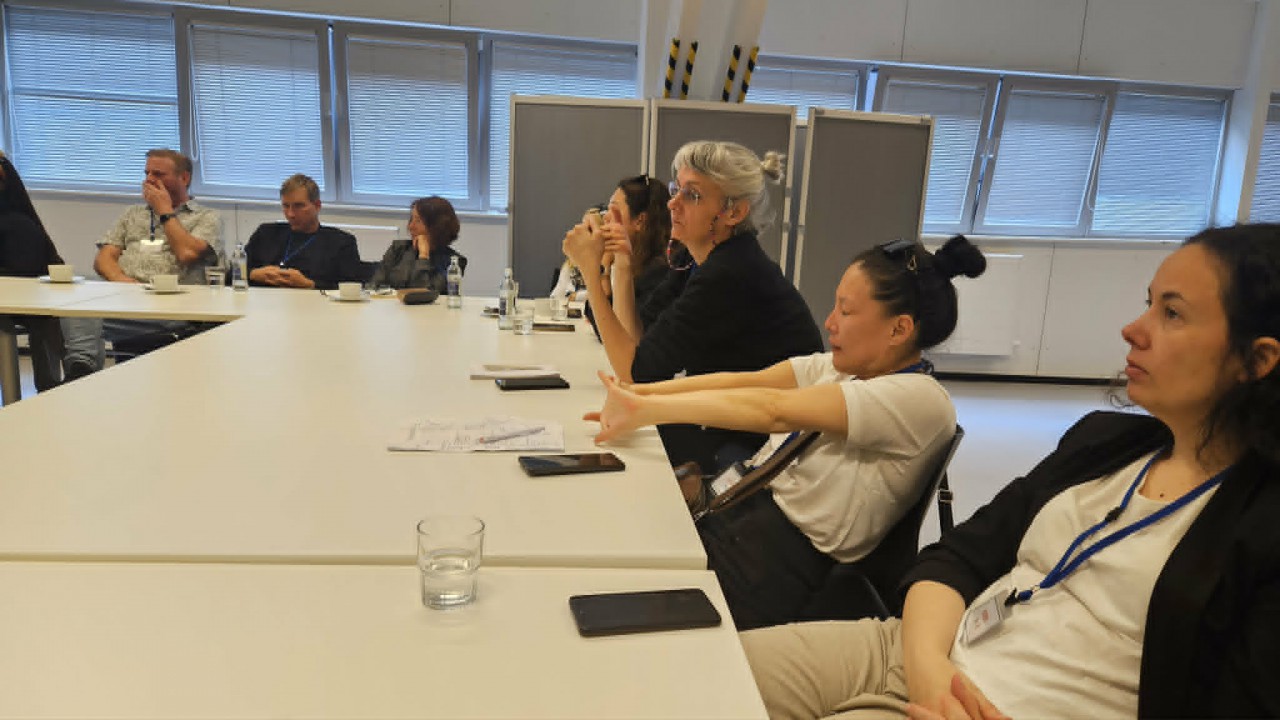
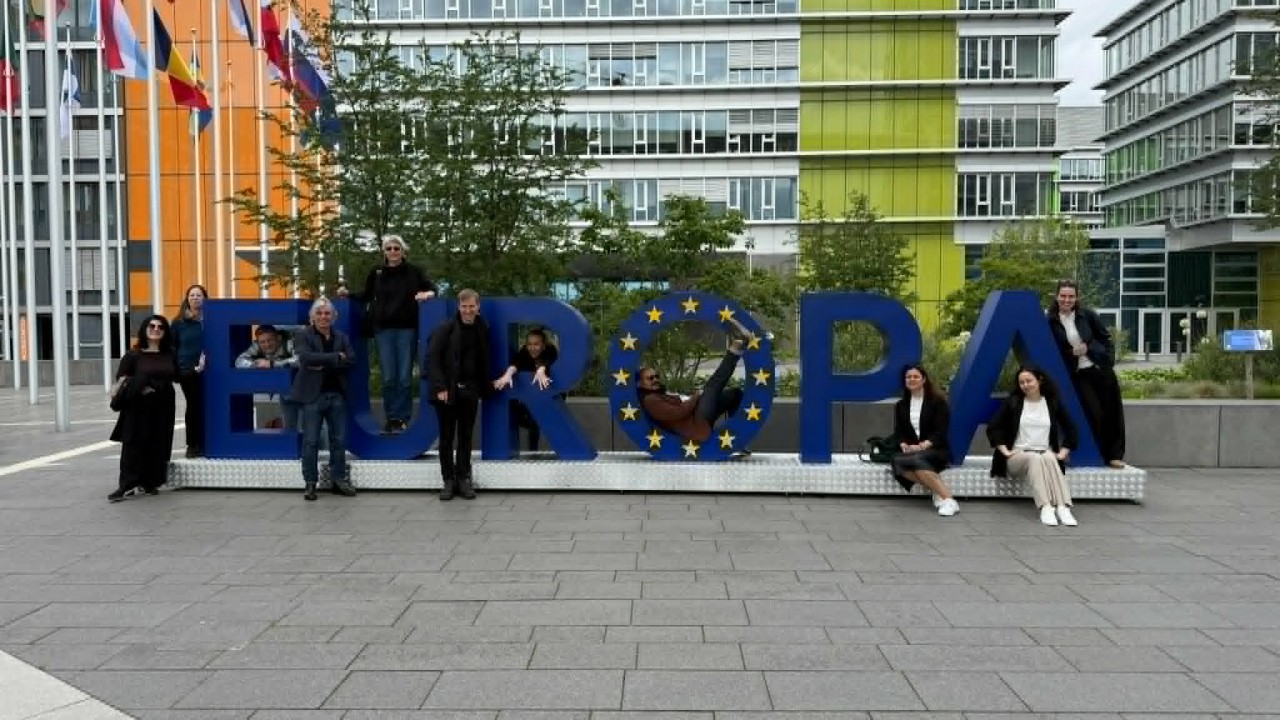
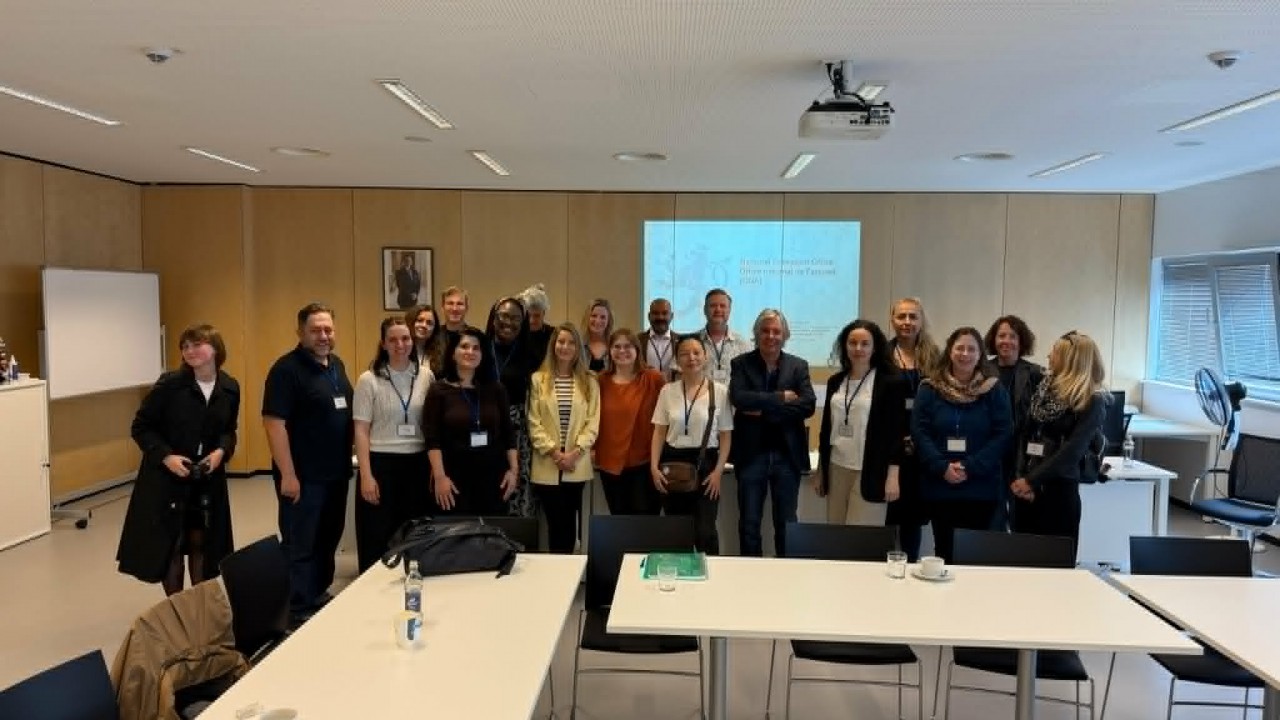
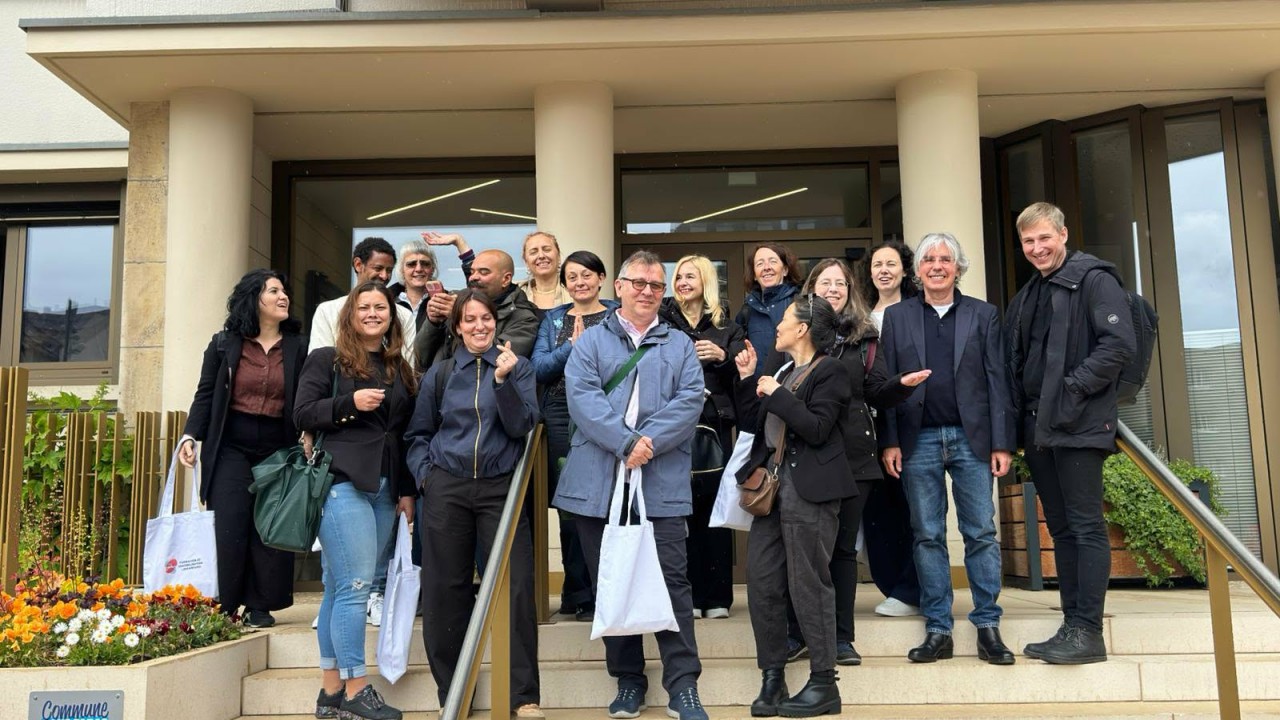
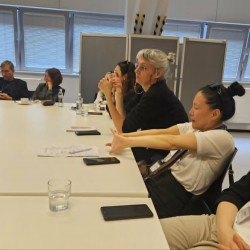
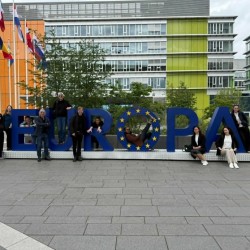
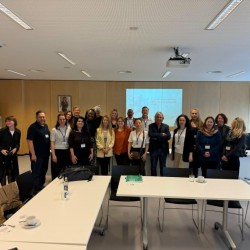
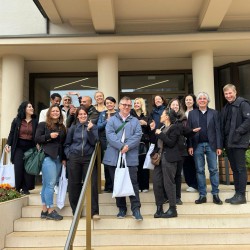
Between 18 and 22 May, the sixth study visit of the international consortium of the project Empowering Migrant Voices in Local Integration and Inclusion Processes (EMV-LII) took place. In Slovenia, the project is implemented by the Peace Institute, the Gmajna Cultural Association, the Municipality of Ljubljana, and the Association of Municipalities and Towns of Slovenia. The meeting in Luxembourg was organized by the NGO Formation et Sensibilisation Luxembourg with the aim of gaining a deeper understanding of integration processes, the reception of migrants, and their inclusion within local communities. The local context of Luxembourg is quite specific, as almost half of its population consists of migrants, both from EU and non-EU countries.
In addition to its well-known free public transport system, Luxembourg is recognized for its Living Together (Vivre ensemble / Zesummeliewen) programme, a national framework for intercultural coexistence, inclusion, and active citizenship. The programme is based on the idea that integration should not be understood as a one-way process in which migrants adapt to society, but rather as a shared responsibility of everyone living and working within it. It emphasizes intercultural dialogue, participation, social cohesion, and the creation of a shared space of living together, shifting the focus from traditional concepts of integration toward a broader philosophy of “living together.” Its aim is to promote mutual understanding, active participation of diverse communities, and a stronger sense of belonging, while highlighting the important role of individuals, local communities, and institutions. The programme is implemented both at the individual level through a citizens’ pact, which includes activities related to language learning, civic participation, and intercultural competencies, and at the local level through municipal initiatives aimed at strengthening inclusive and supportive social environments.
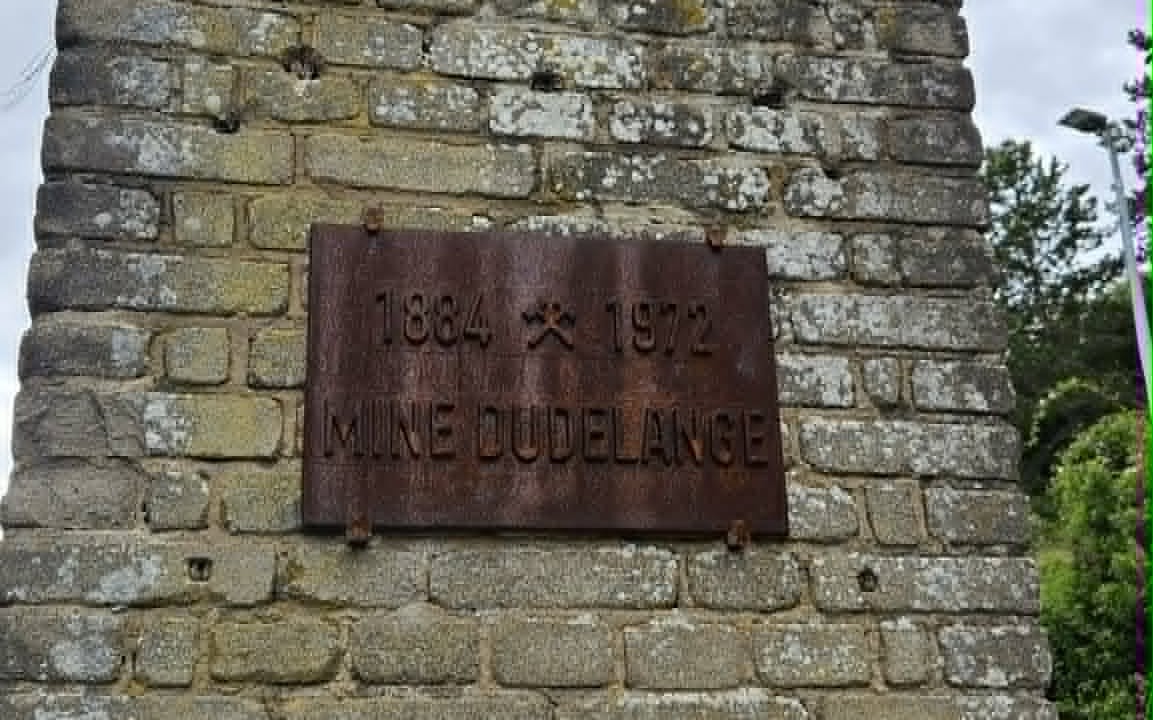
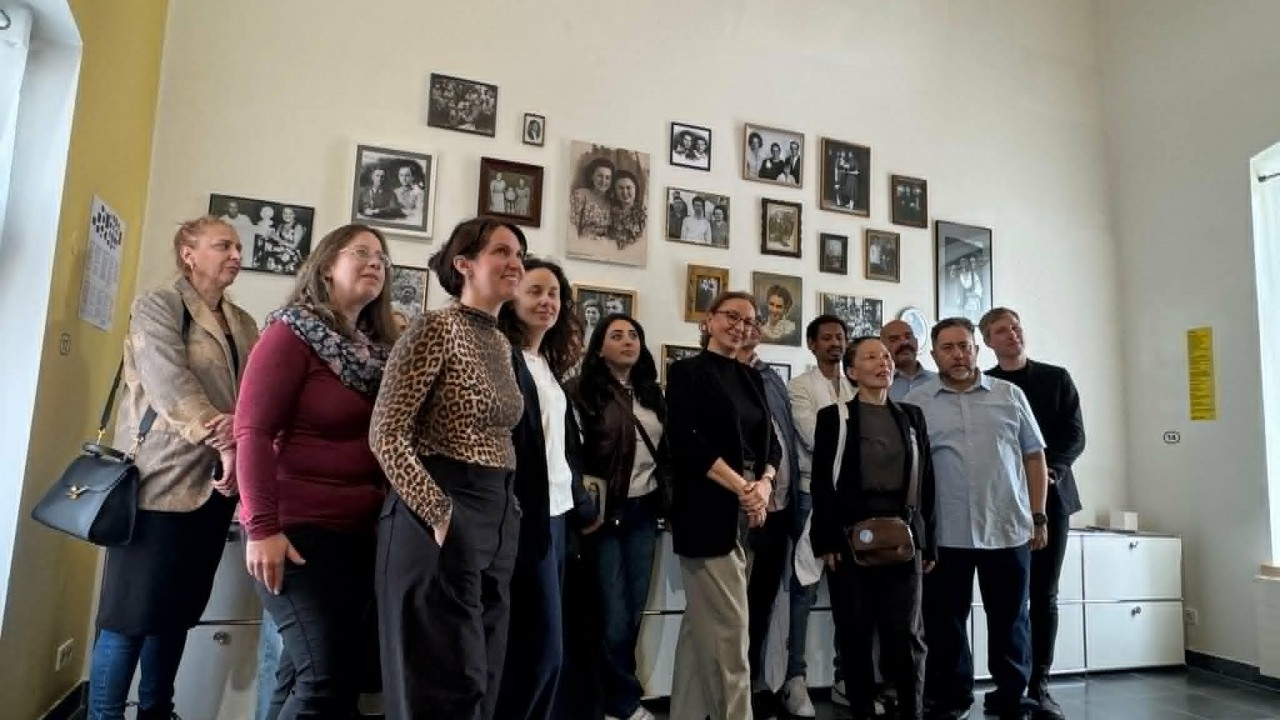
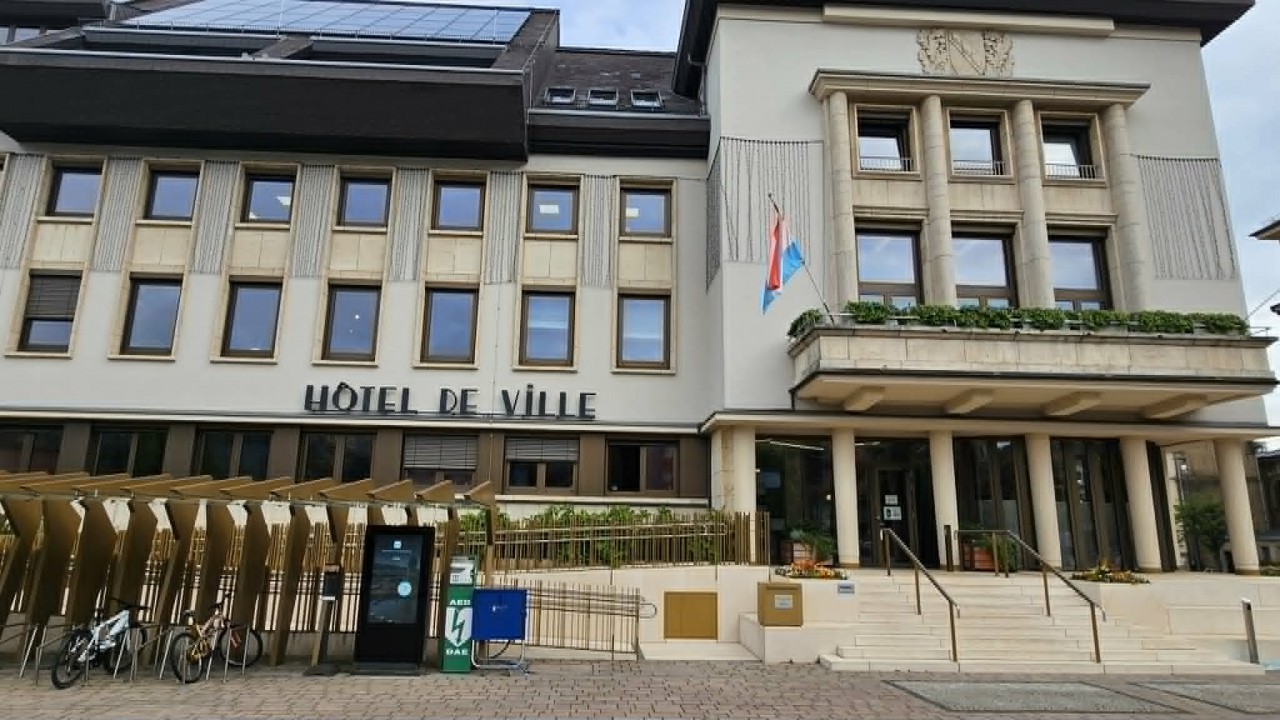
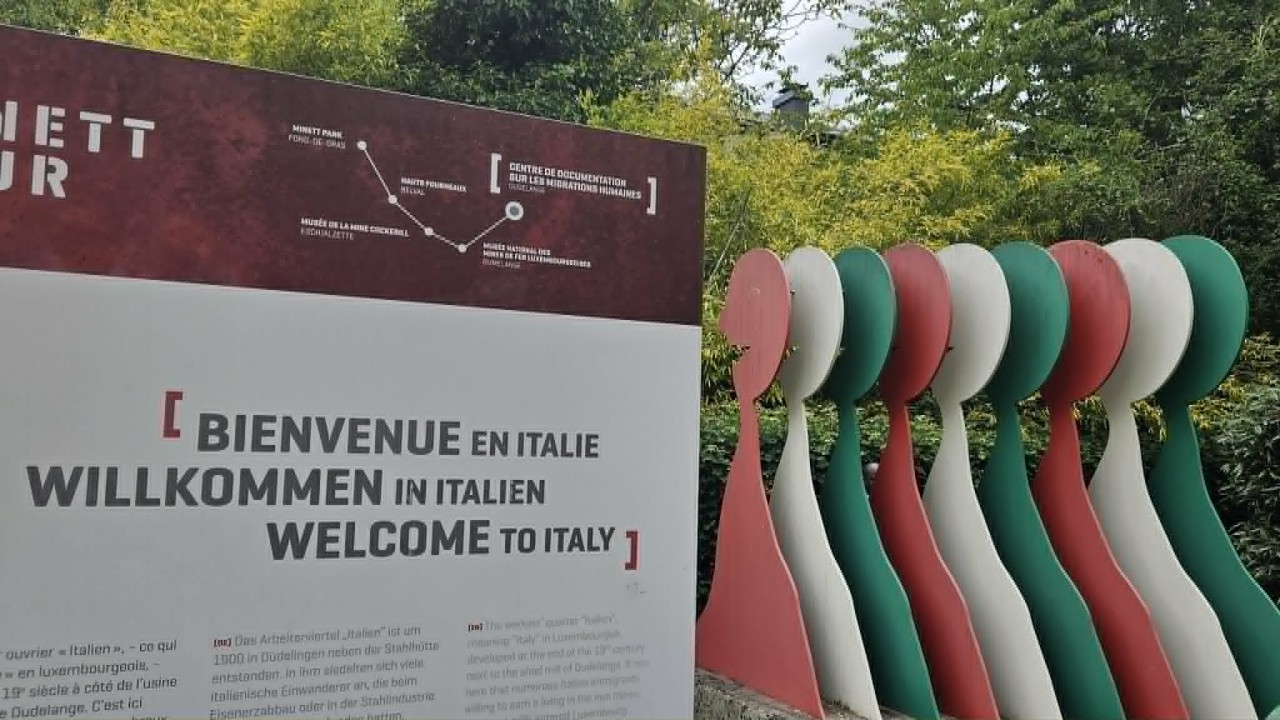
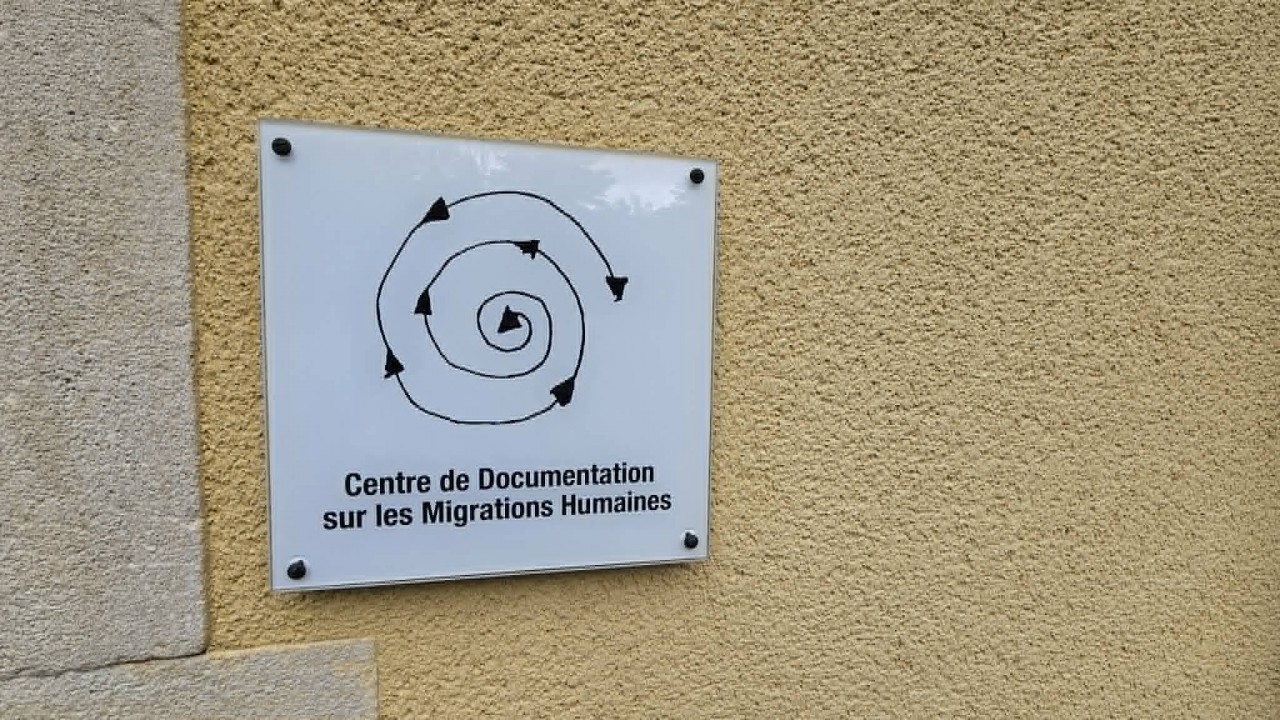
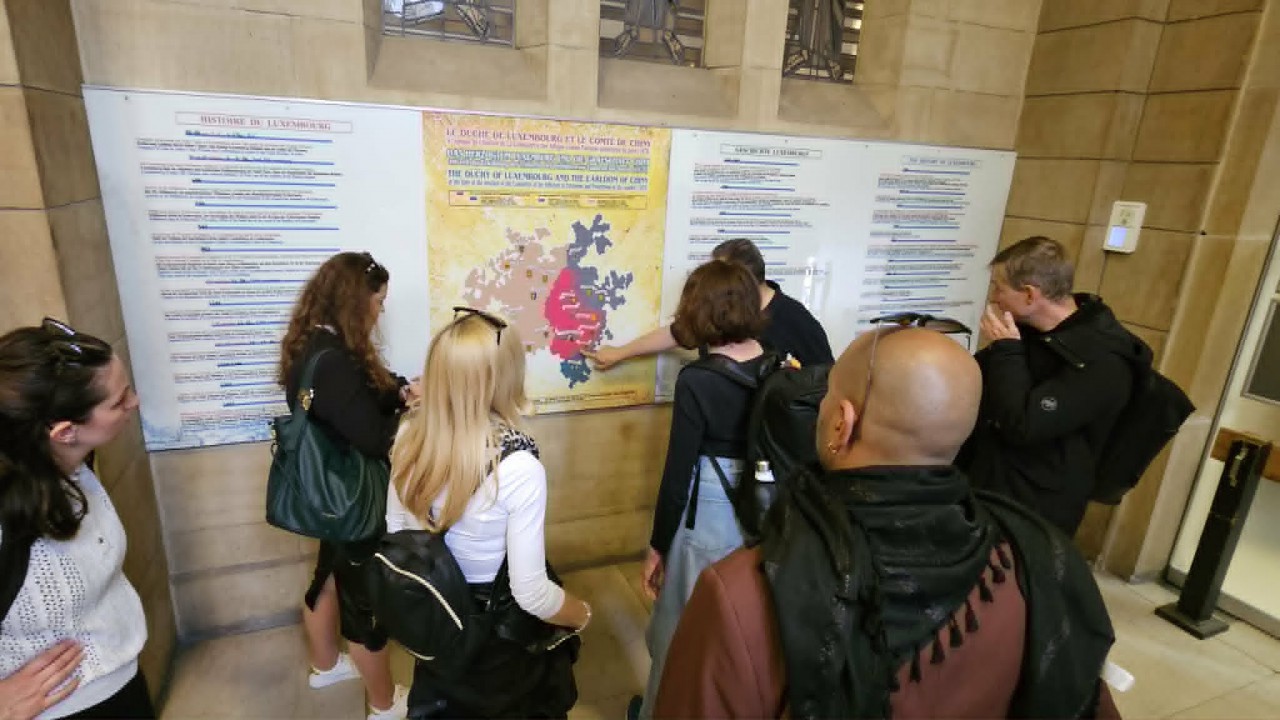
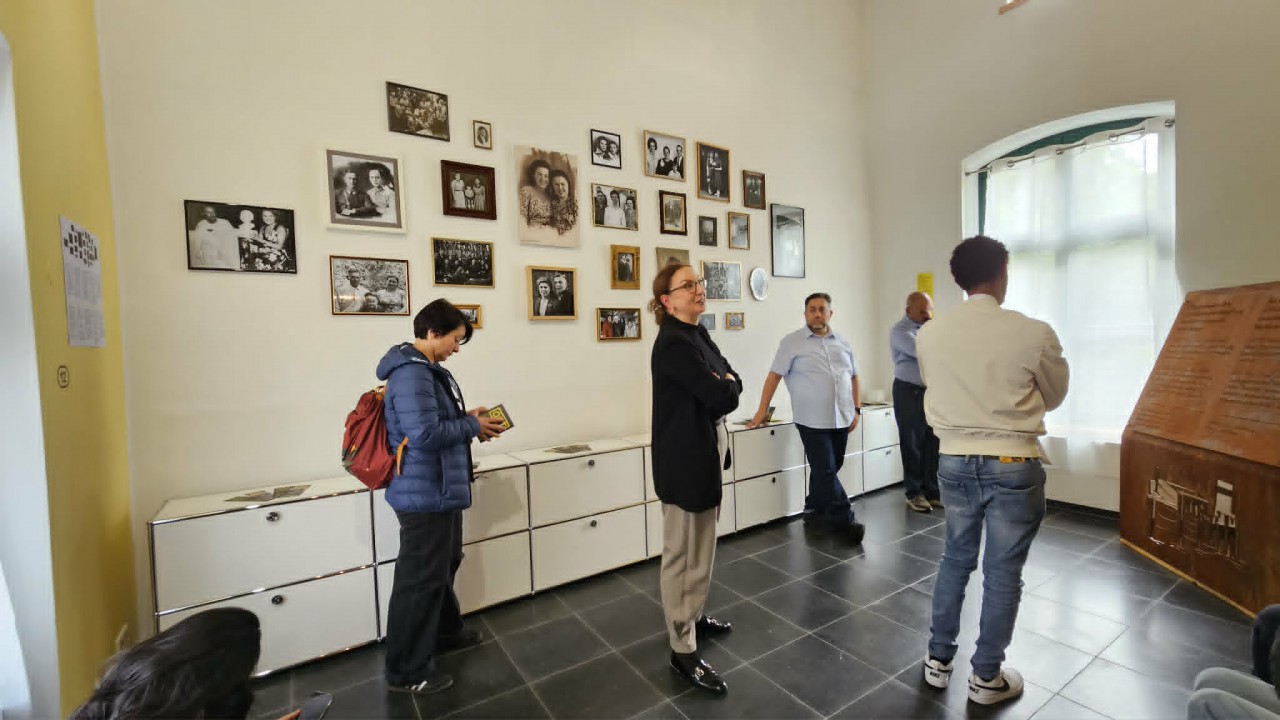
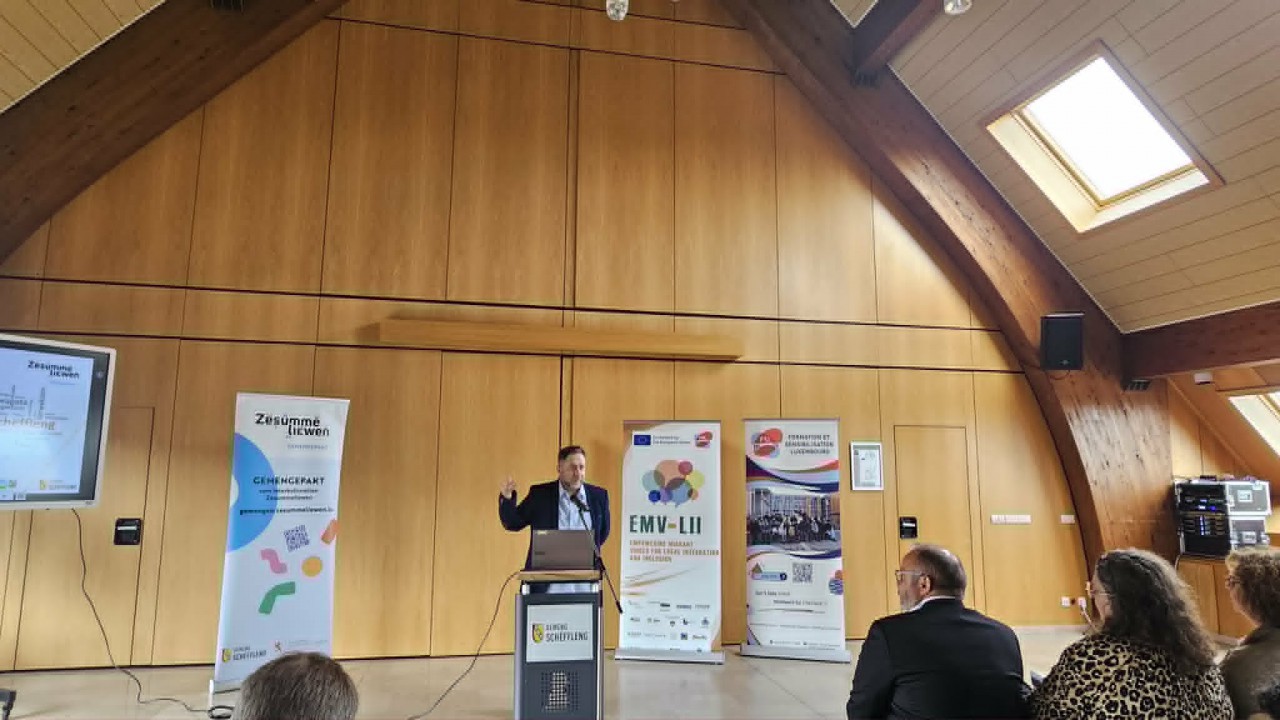
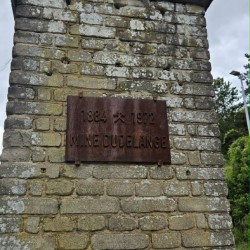
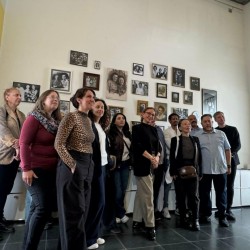
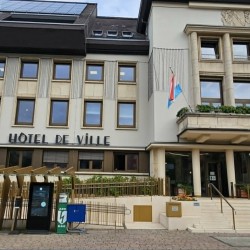
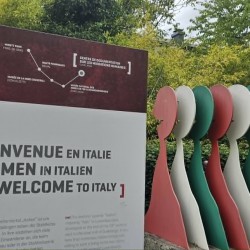
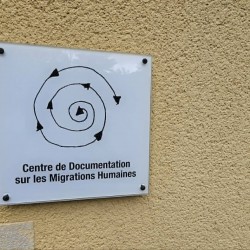
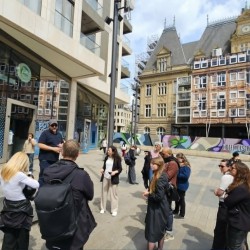
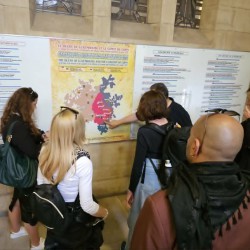
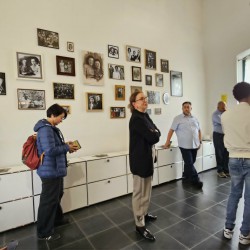
As part of the visit, we travelled to the municipality of Schifflange, where the mayor introduced their Living Together programme designed to support inclusion and coexistence among diverse communities. In Dudelange, we learned about the history of Italian migrants who worked in the steel industry during the late nineteenth and early twentieth centuries. The entire region, including Esch-sur-Alzette and Belval, carries a strong legacy of industrial and migration-related development. Today, the former railway station in Dudelange houses the country’s largest library dedicated to migration, which currently hosts an outstanding exhibition on forced labourers from Ukraine, Russia, and Belarus during the Nazi occupation of Luxembourg.
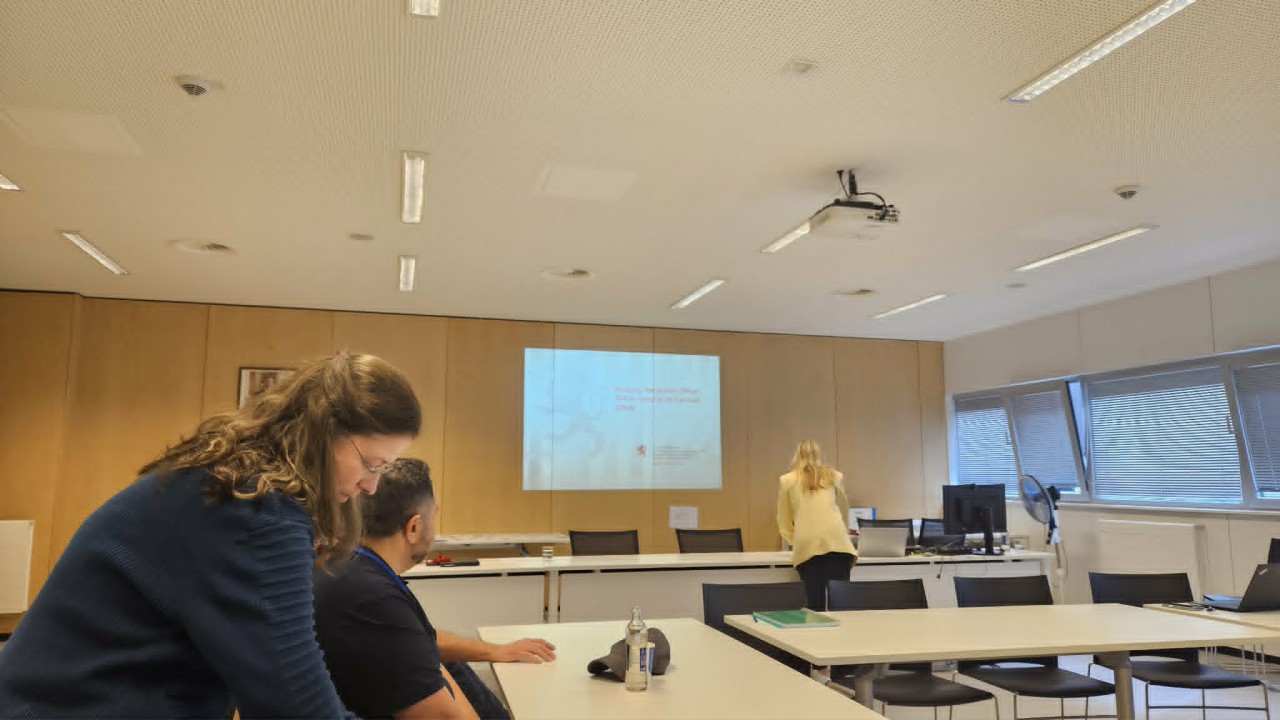
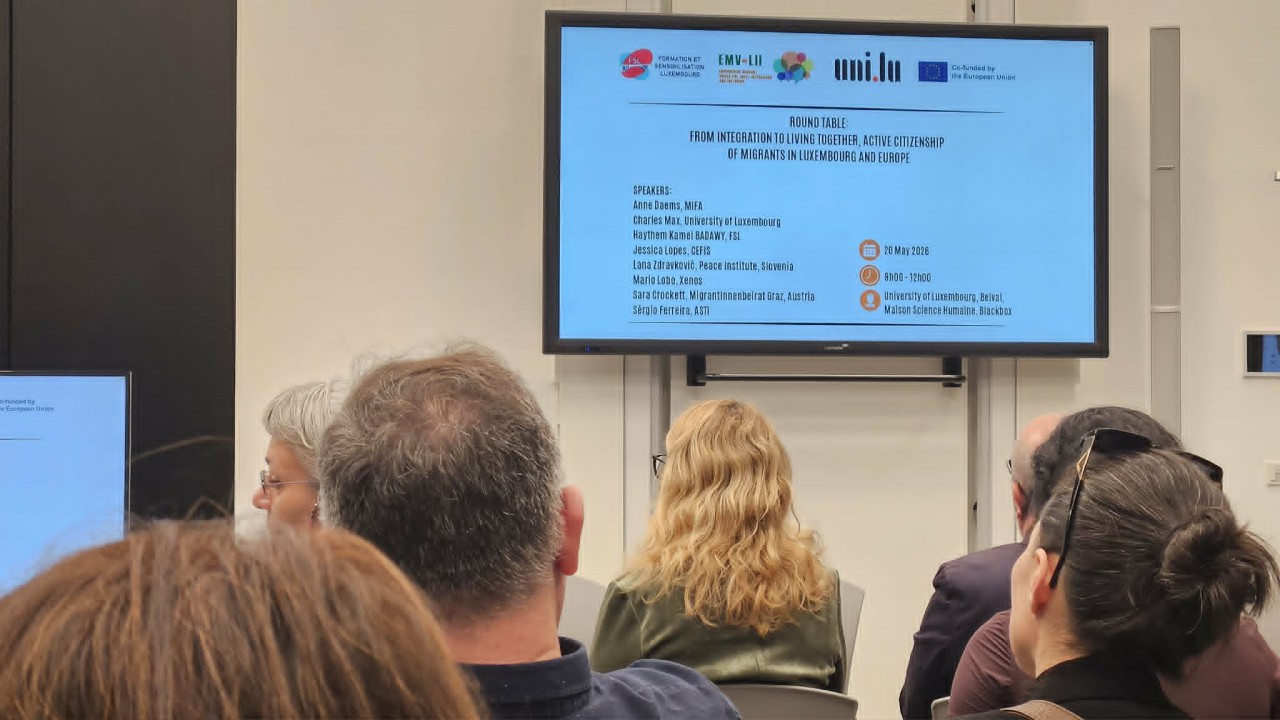
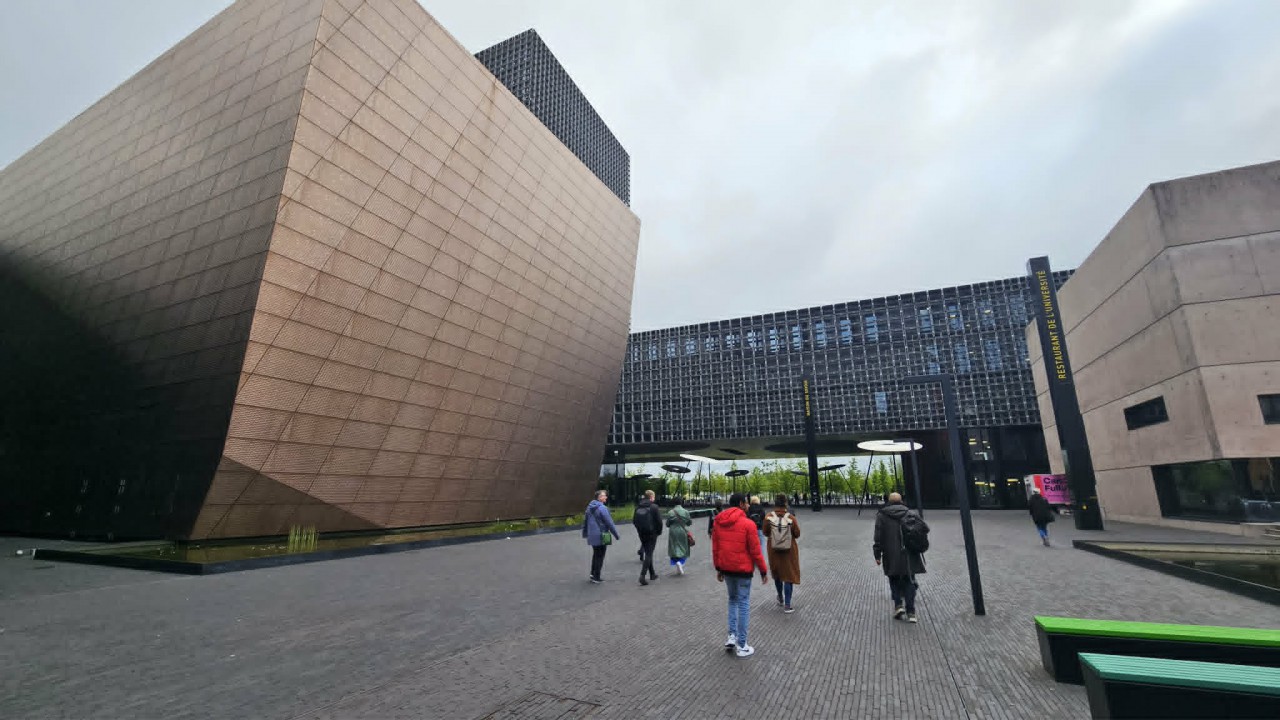
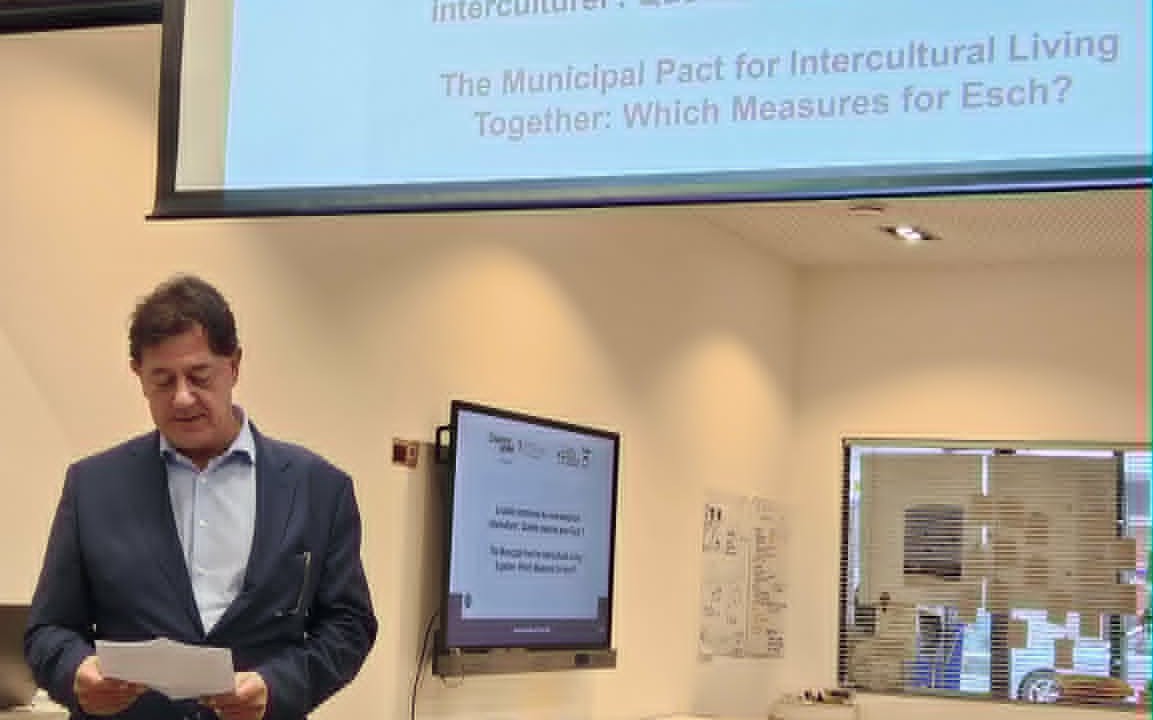
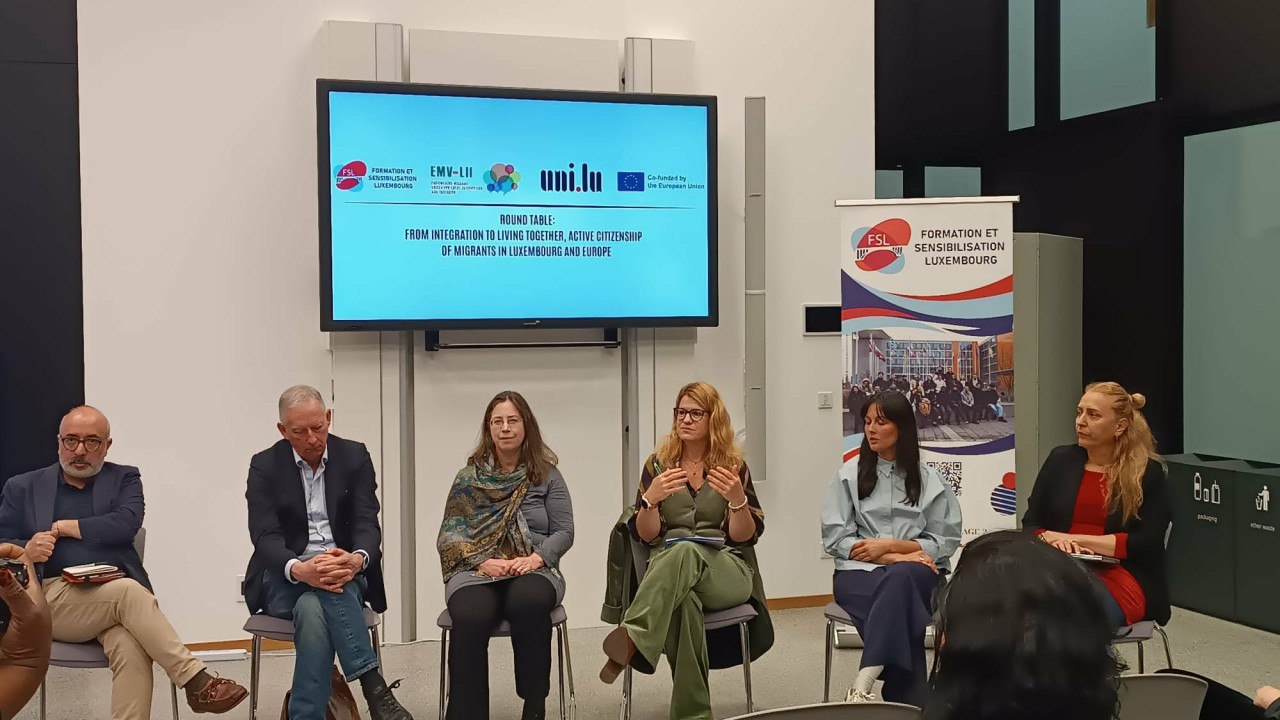
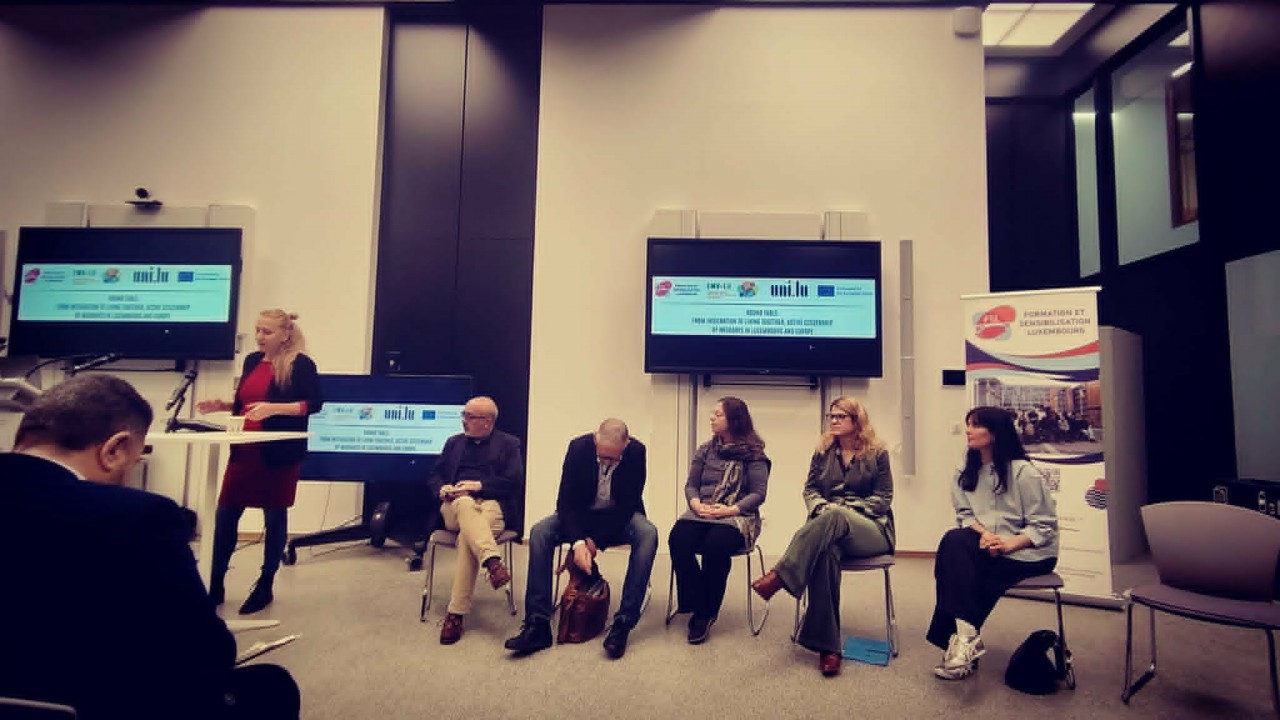
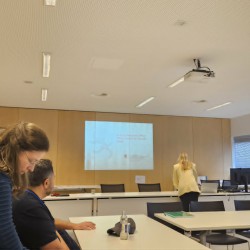
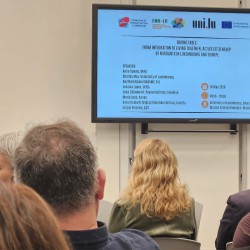
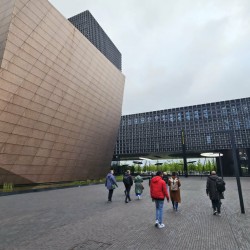
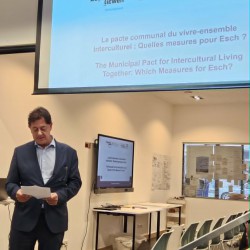
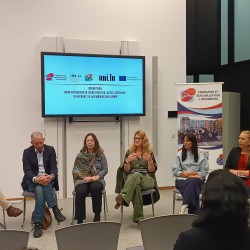
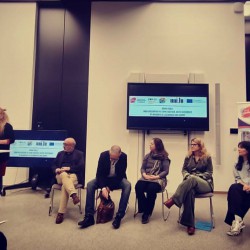
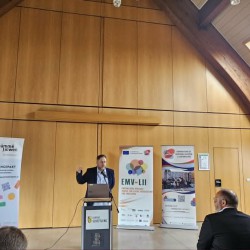
In Belval, we visited a modern university campus and participated in a public lecture where our hosts presented the Living Together concept as an approach that goes beyond traditional understandings of integration. Within the framework of the EMV-LII project, Dr. Lana Zdravković presented the results of our joint efforts aimed at improving the inclusion of migrants, particularly those coming from non-EU countries.
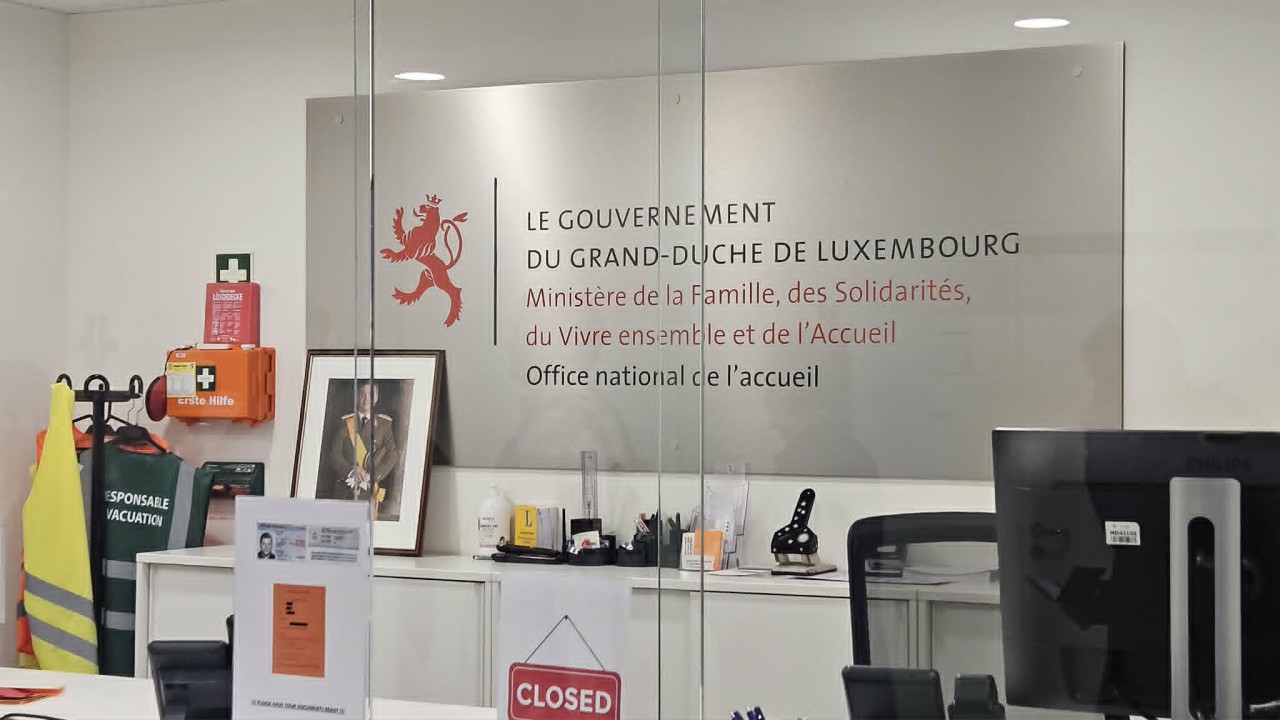
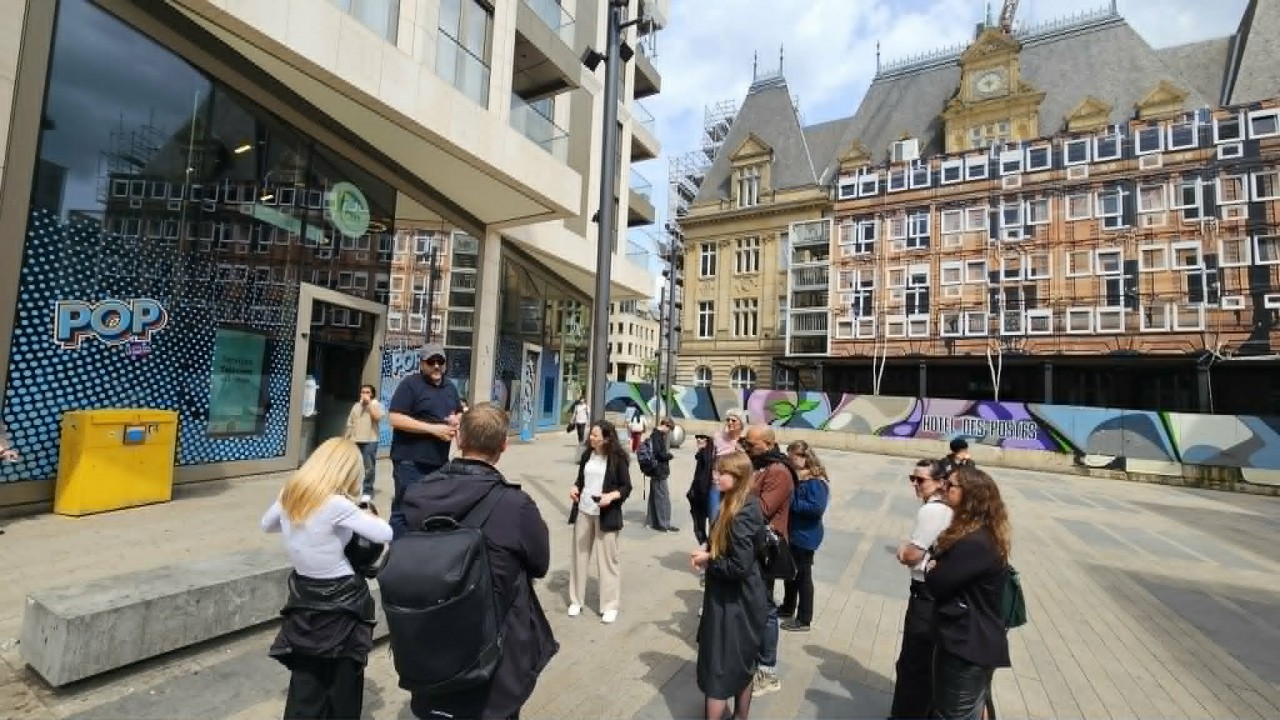
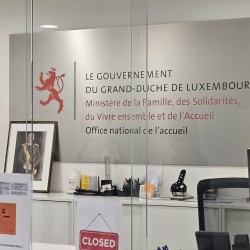
We also visited the municipality of Esch-sur-Alzette, which today represents a true melting pot of different communities, and learned about the work of Maison Sourire, an organization that supports the inclusion of people who are often marginalized or excluded from the labour market. In Luxembourg City, we visited a migrant reception centre and gained insight into asylum procedures.
The study visit was exceptionally intensive, rich in content, and highly inspiring. Despite facing numerous challenges, particularly in relation to the housing crisis, Luxembourg is actively investing in policies and practices that promote inclusion and foster a culture of living together.
Related Articles
-
Who Cares for Older People? The Transnationalization of Care Work in Central and Eastern Europe
-
Integration in Slovenia – Key Findings Presented at the 10th African Village Festival
-
The mobility of care work between Slovenia and Bosnia and Herzegovina
-
New report on civic space resilience: good practices from Slovenia, Croatia, Slovakia and the Czech Republic