
Integration in Slovenia – Key Findings Presented at the 10th African Village Festival
1. 7. 2026 | Human Rights and Minorities
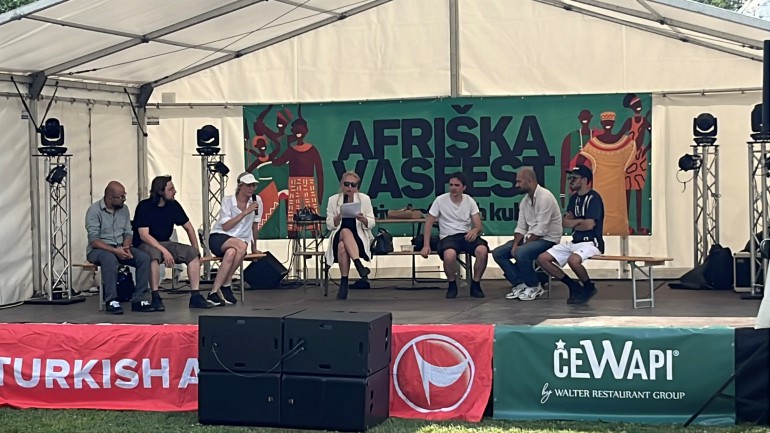
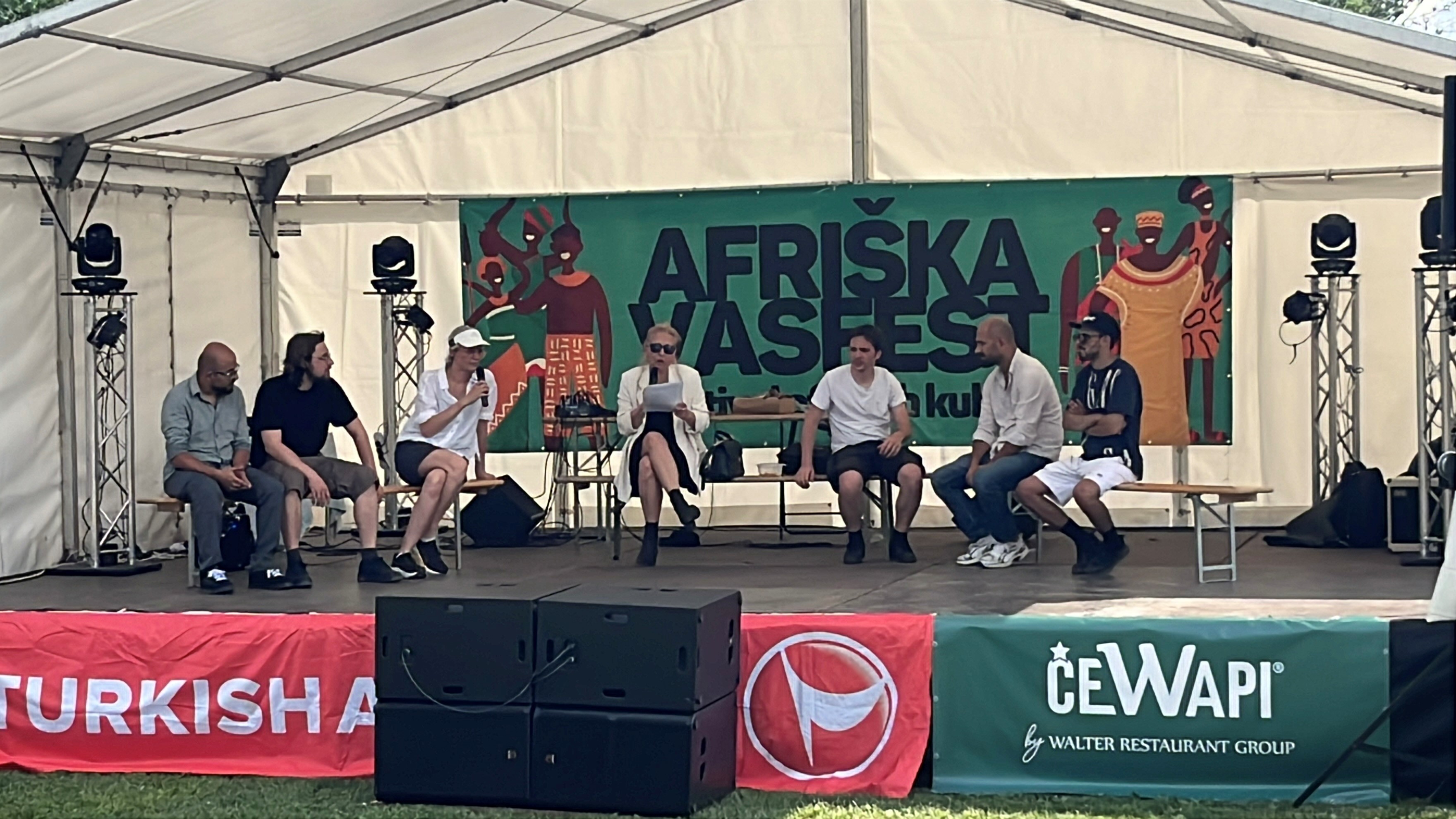
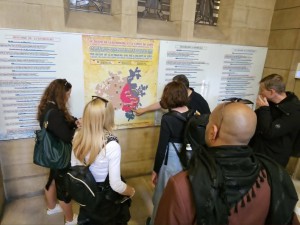
On Thursday, 18 June 2026, as part of the 10th African Village Festival, Lana Zdravković presented the findings of research on the integration of migrants in Slovenia. She emphasised that building a truly inclusive political community requires migrants to have an equal voice in all areas of social life—not as guests, but as full members of society with equal rights. This vision of inclusion reflects the European Union’s motto, “United in Diversity.”
She highlighted the importance of developing a strong narrative of social inclusion based on the recognition of cultural diversity and the promotion of political integration through dialogue and cooperation among public institutions, civil society organisations, and local communities. Migrants and migrant organisations should be meaningfully involved in integration and participatory processes at both the local and national levels, as well as in the development of integration strategies, with particular emphasis on political and civic participation.
A key step in this direction would be the systematic employment or engagement of cultural mediators within local and national institutions, especially municipalities. Cultural mediators can play an important role in opening up participatory processes and making them more accessible and inclusive for diverse communities. In addition, regular communication channels should be established between local and national authorities, migrant organisations, and advocacy groups, while new forms of participation should be developed to enable migrants to take an active role in shaping local and national policies.
Effective integration also requires stronger cooperation among organisations working in the field of migrant inclusion. A more robust network would facilitate better coordination of resources, more effective engagement with local and national authorities, and stronger advocacy around shared policy priorities. Such an approach would contribute to improving migrant representation in public institutions and creating sustainable spaces for their active participation and inclusion in society.
The event was organised as part of the EMV-LII project.
Related Articles
-
Who Cares for Older People? The Transnationalization of Care Work in Central and Eastern Europe
-
The mobility of care work between Slovenia and Bosnia and Herzegovina
-
Empowering Migrant Voices in Local Integration and Inclusion Processes: Good Practices of Local Integration in Luxembourg
-
Empowering Migrant Voices in Local Integration and Inclusion: Good Practices of Local-Level Integration in Heraklion, Crete