
Training for Local Government Staff: Good Practices from Zagreb and Međimurje
7. 3. 2026 | Human Rights and Minorities
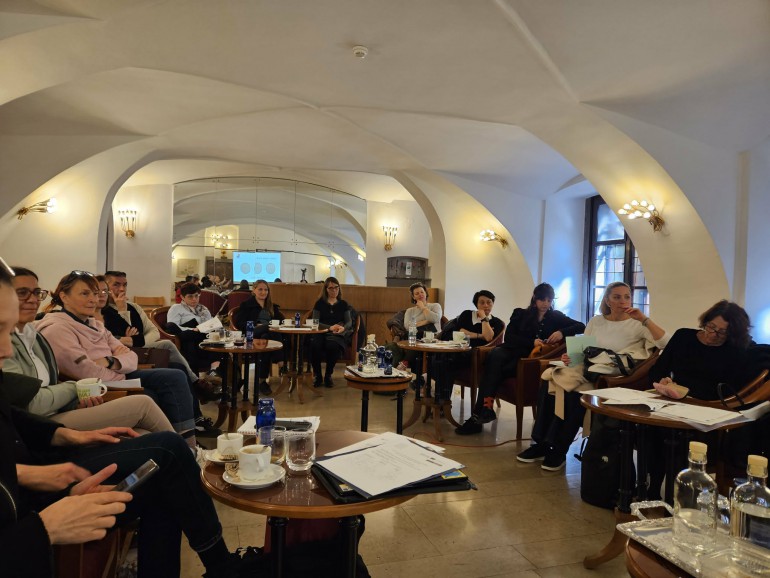
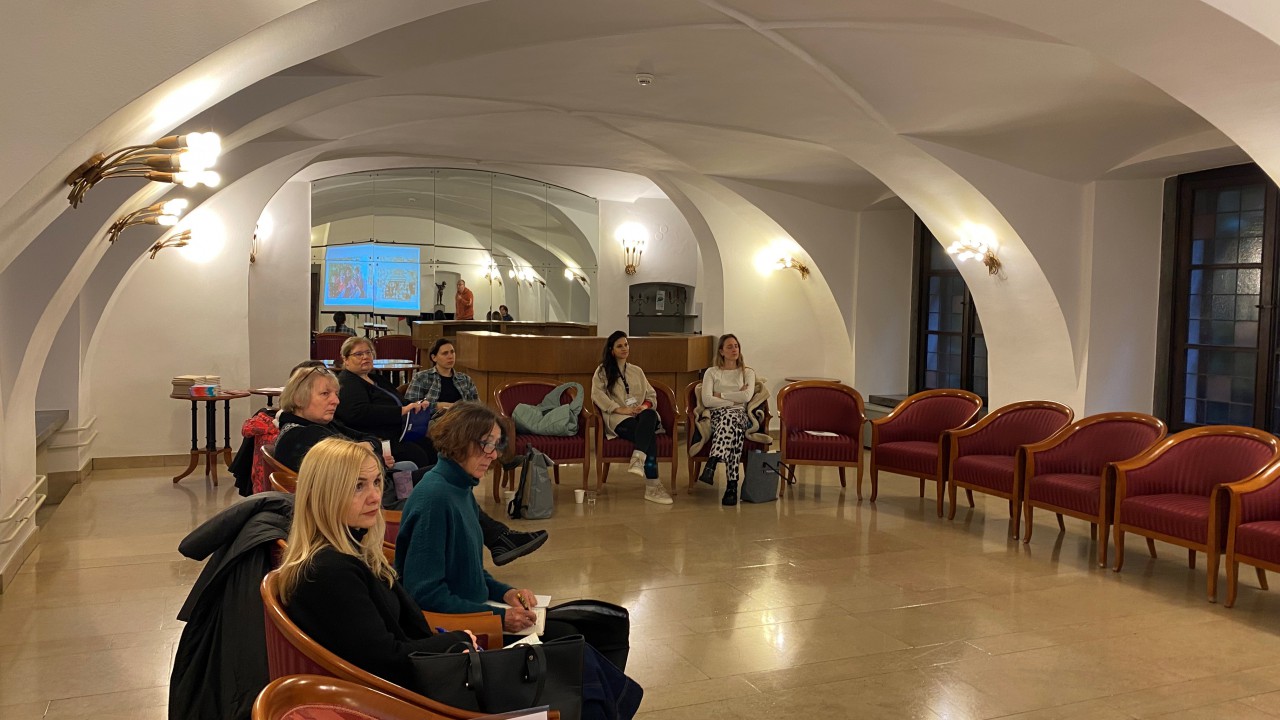
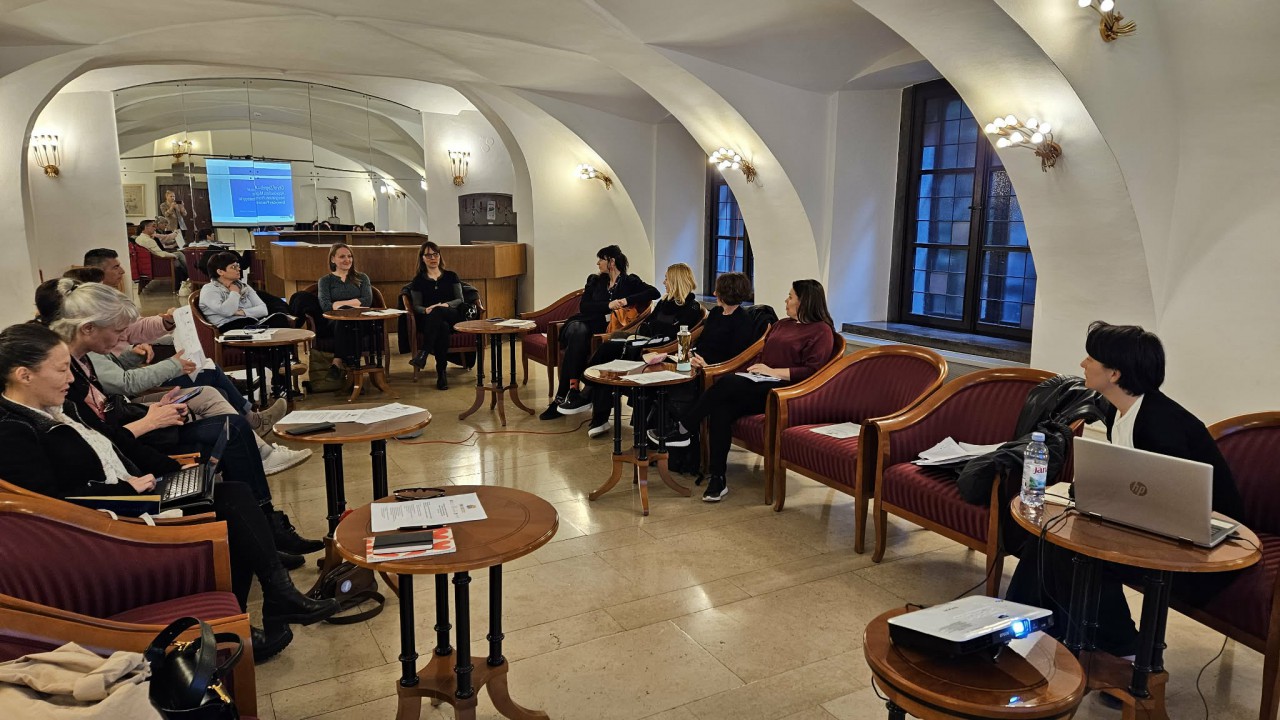
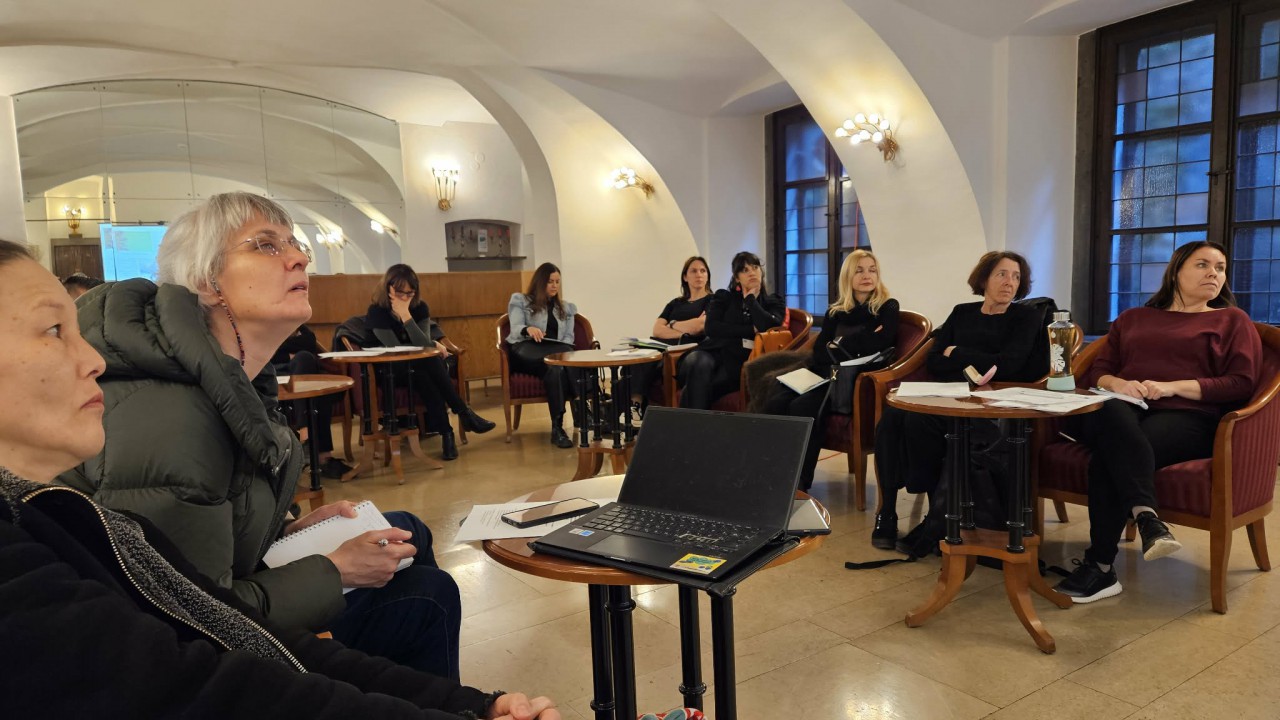
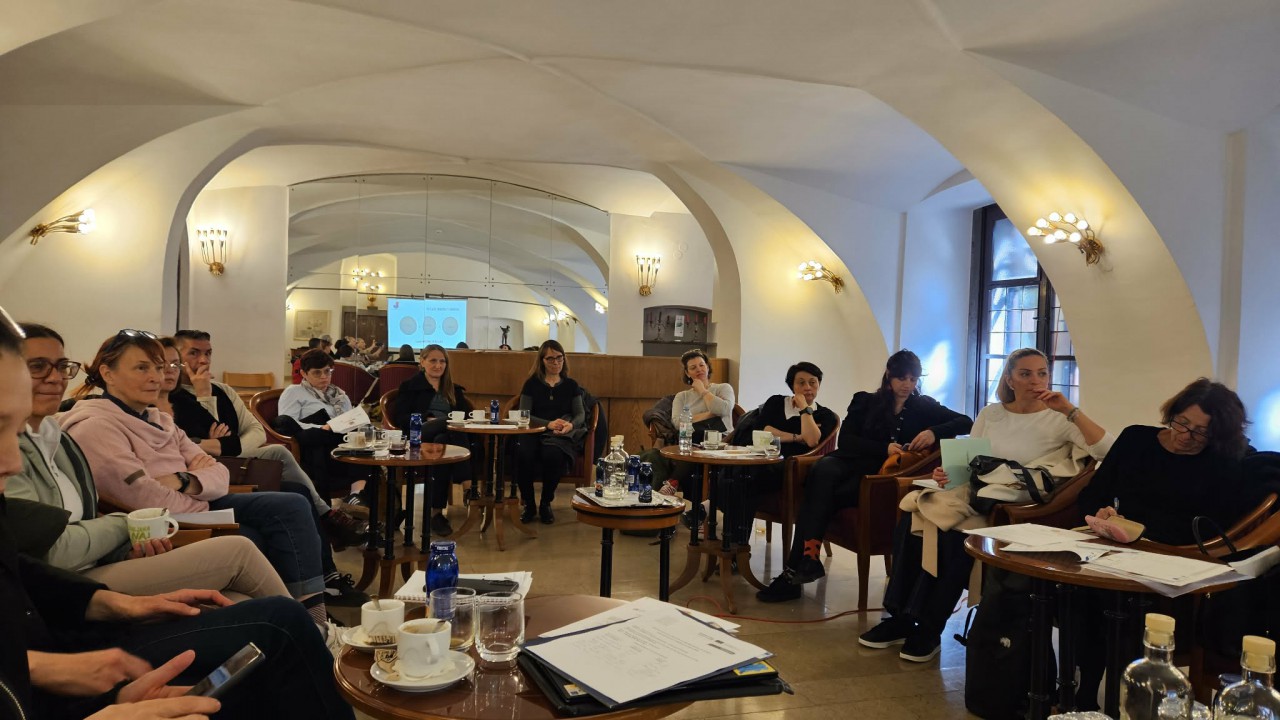
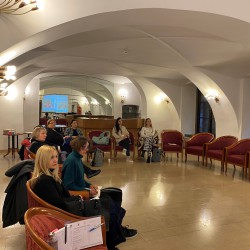
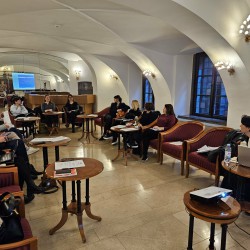
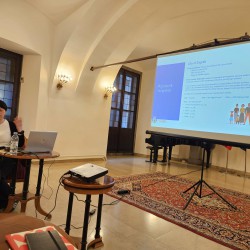
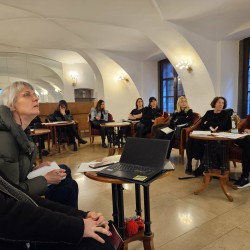
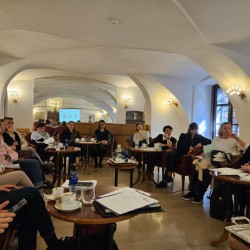
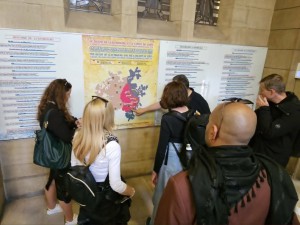
On Wednesday, 5 March 2025, a training session took place in the Red Hall of the City of Ljubljana, focusing on the exchange of experiences and good practices in the field of local integration of migrants and foreign workers. The programme was divided into two thematic sessions, with an emphasis on comparative approaches from Zagreb and Međimurje.
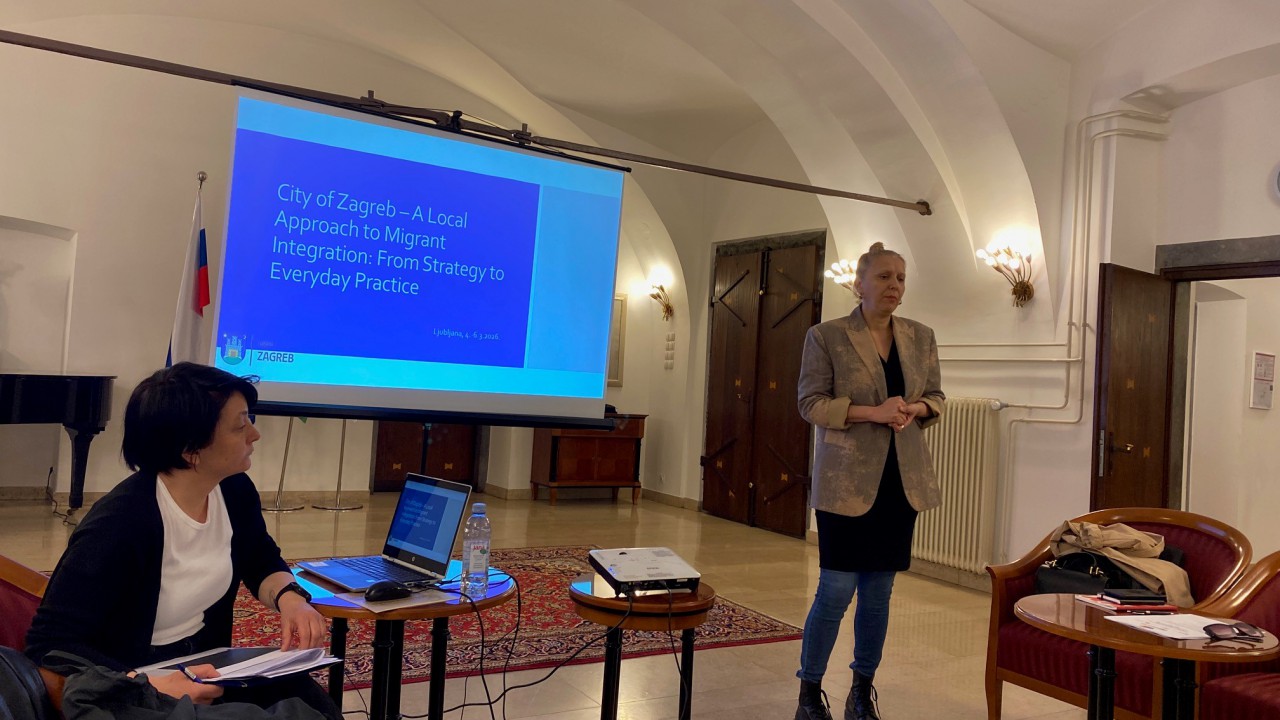
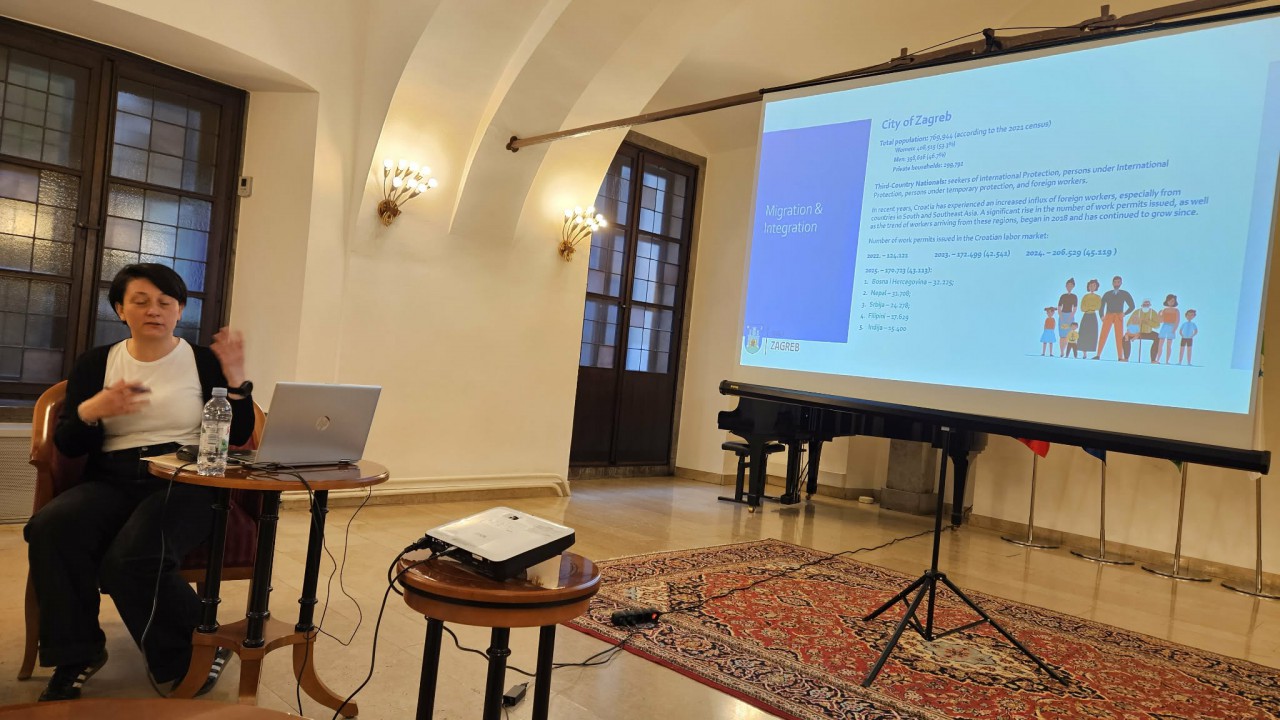
In the first part, Mirela Šavrljuga from the City Office for Culture and Civil Society of the City of Zagreb presented local approaches to migrant integration, from the strategic framework to everyday practice. Participants learned about the city’s role in integration, interdepartmental cooperation, partnerships with civil society, and the use of European projects. Good practices were also presented, including the “One Stop Shop” welcome centre, language learning and cultural orientation programmes, the inclusion of migrants in the local community, and the use of municipal institutions and spaces for integration activities. Part of the session was devoted to reflecting on the transferability of Zagreb’s practices to Ljubljana and discussing the challenges and opportunities of local policies.
In the second session, Maja Odrčić Mikulić and Marija Stanković from Međimurje County presented experiences of local integration of foreign workers. They highlighted the importance of the specific local context, practical challenges, and the role of the county in implementing inclusive policies even in the absence of formal strategies. Particular emphasis was placed on projects as tools for developing an integration system, cooperation with institutions and civil society, and examples of good practices at the local level. The final part focused on discussing the transferability of these experiences to Ljubljana and the role of local authorities in integrating foreign workers outside major urban centres.
The training provided participants with a comparative insight into different models of local integration and encouraged reflection on the further development of inclusive policies in Ljubljana.
Related Articles
-
Sixth Meeting of the EMV-LII International Project Consortium in Empoli
-
Integration in Slovenia – Key Findings Presented at the 10th African Village Festival
-
New report on civic space resilience: good practices from Slovenia, Croatia, Slovakia and the Czech Republic
-
Empowering Migrant Voices in Local Integration and Inclusion Processes: Good Practices of Local Integration in Luxembourg