
Brankica Petković, mag.
Researcher
Brankica Petković holds an MSc in Sociology of Culture and is a researcher at the Peace Institute. Her work focuses on media, democracy and human rights, with particular emphasis on media systems, media pluralism, journalism, communication rights and democratic communication. She combines research, public policy and civil-society engagement in efforts to strengthen media freedom, media accountability and an inclusive public sphere.
She led the Media Watch programme, a research, publishing and public platform for critical reflection on media policies, journalism and media practices in Slovenia, from 1998 to 2013. She has also led projects aimed at protecting the watchdog role of journalists and civil society, researching and responding to hate speech, and monitoring attacks against journalists and civil-society organisations. Her work in Slovenia has further included contributions to media policy development and reform, strengthening the independence and accountability of public service media, advancing media self-regulation, protecting freedom of expression, and promoting democratic participation and citizens’ communication rights.
For more than two decades, she has led and contributed to comparative research and advocacy initiatives across South East Europe, primarily within the regional network of media centres and research organisations SEENPM (South East European Network for Professionalisation of Media). She led a pioneering study on media ownership and its impact on media independence and pluralism across 18 post-socialist European countries and conceived and directed the South East European Media Observatory. Within regional research projects, she developed research methodologies and led regional research teams examining media-system reform, media integrity, media financing, professional journalism, trust in the media, propaganda, disinformation and hate narratives, media and information literacy, and the future of media and democracy.
At the European level, she has participated in comparative research on media pluralism, the independence of media regulators, the representation of women in the media, and the diversity and pluralism of online media. She contributed to the development of the methodology for monitoring media pluralism in the European Union and to the implementation of the Media Pluralism Monitor within the Centre for Media Pluralism and Media Freedom (CMPF) at the European University Institute in Florence. From 2023 to 2026, she coordinated the Slovenian team in the Horizon Europe project MeDeMAP – Mapping Media for Future Democracies, which explored the relationship between media and democracy in Europe through research on media policy, news production, media use and participatory forms of citizen engagement.
Before joining the Peace Institute, she worked as a journalist in Osijek, served in the office of Janez Drnovšek as Slovenia’s member of the Presidency of the former Yugoslavia, and worked at Open Society Institute – Slovenia, where she directed programmes on media, human rights and support for refugees from Bosnia and Herzegovina during the war.
Featured project
-
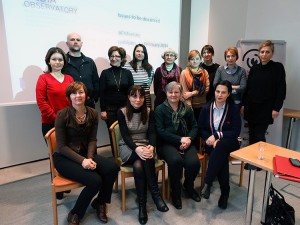
South East European Media Observatory: Building Capacities and Coalitions for Monitoring Media Integrity and Advancing Media Reforms (Phase 2)
The project nurture and foster prominent role of civil society in the media reform processes in the countries of South East Europe.
Projects
- Voices to Action: Participatory Research and Advocacy for Roma Rights in Slovenia
- ZAVEM – Advocacy for the Democratic Role of Media
- North Macedonia: EU Digital and Media Acquis Harmonisation and Digital Transformation Skills Development
- Empowering Ecosystems of Civil Society Organisations in the Czech Republic, Slovakia, Croatia and Slovenia (PROSECO)
- Affective Media: Transformations of Public Communication
- Analysis of online hate speech and disinformation in Slovenia and development of a proposal for action
- Mapping Media for Future Democracies
- Our Media: A civil society action to generate media literacy and activism, counter polarization and promote dialogue
- Defending and strengthening the role of civil society and journalists in protecting democracy in Slovenia
- Defending watchdog role of civil society and journalists in Slovenia – extended project phase
- Resilience: Civil Society for Media Free of Hate and Disinformation
- Study on sustainability of professional journalism in media business environment in the Western Balkans
- BEHAVE – SEE Beyond Hate: Learning and Acting to Counter Hate Speech Online in South East Europe
- Defending watchdog role of civil society and journalists in Slovenia
- Building coalition of defenders of human rights, media freedom and independent journalism
- Media for Citizens, Citizens for Media – Building capacities of CSOs to advance Media and Information Literacy in Western Balkans
- RESPECT – Advancing respect for ethical standards by media and respect for ethical media by citizens
- Supervising the monitoring of the EU Guidelines for media freedom and media integrity in enlargement countries in 2017 – Consultancy to the TACSO Regional office
- Gender differentiation in media industry
- ReForMedia – Citizens, CSOs and Institutions Reforming Media in Macedonia
- Communication Practices in the Context of Social Uprising and Requests for Public Accountability
- Responding to Hate Speech – Activation of an Independent Conjunctive Body (ACT)
- Regional EU Award Scheme for Investigative journalism in Western Balkans and Turkey
- Building Support for Media and Journalism Targets in the EU Enlargement Countries
- Gender and the Media
- Women and the Media
- South East European Media Observatory: Building Capacities and Coalitions for Monitoring Media Integrity and Advancing Media Reforms (Phase 2)
- Study Visit of Macedonian Editors in Ljubljana
- Comparing Media Reforms
- CoMiDe – Consistency of Migration and Development Policy
- RED, Network Combating Racism, Xenophobia and Intolerance
- Networking and International Cooperation in the Field of Media Research, Advocacy and Training
- Media and Minorities
- Media Ownership / Media Pluralism
- Questioning Transitional Dynamics in Re-defining Cultural Identities in South Eastern Europe
- Youth, Participatory Democracy and the Media (YOUp@)
- The Erased: Remedying Human Rights Violations
- A Long Way Home – Media and Political Discourses on the EU Integration of the »Western Balkans«
- Developing Media Criticism Capacity in Mongolia
- Patterns of Political Instrumentalisation and Clientelism in the Media in South East Europe
- RARE – Responsibility and Responsiveness – Advocating/Promoting Mechanisms to Respect Citizens Interests/Voice in the Media in Slovenia
- Human Rights Press Point During the Slovenian EU Presidency
- Policies and Practice of (Non)Inclusion of Roma in Urban Areas
- PRIME – Anti-Discrimination Training for Media and Equality
- Participation in the Media Centers Network SEENPM – Labor Relations in the Media
- The Role of the State in the Media Sector in Slovenia
- Roma People in Ljubljana: Diversity of Perspectives
- Future of Multicultural Societies in Europe and the Role of the Media – Good Policy and Practice from the UK
- Media for Citizens
- Advancing the Principles of the De-monopolization of Media Ownership: The Practice Intersections of Slovenia and Kazakhstan
- Media Self-Regulation: Experiences in Slovenia/Prospects in Armenia
- Mainstreaming/Empowering Minorities in the Media in Multicultural Societies
- Qualifying Roma for Professional Radio Journalism
- Media Markets in SEE and EU Accession Countries – Mapping Ownership Patterns in the Media and Their Effects on Media Freedom and Pluralism
- Building Roma Communiation Capacities in Slovenia
- Stability Pact for South Eastern Europe (evaluation study)
- The Profiles of Women’s Magazines
- Media Cooperation in South Eastern Europe
- The Establishement of the Press Council in Slovenia
- Media Watch – Project for Monitoring, Research and Reporting on Media Policy and Media Practices
- Visiting Journalists Program
- Journalism Evenings
Featured publication
-
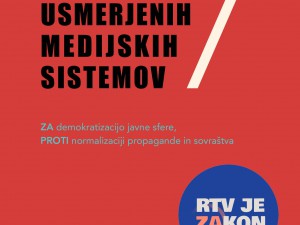
Characteristics of propaganda-oriented media systems
A detailed presentation of how propaganda-oriented media systems work and why it is necessary to oppose them is presented in the following analysis.
Publications
- Characteristics of propaganda-oriented media systems
- Study on Media Plurality and Diversity Online
- Overview of the hate speech and disinformation regulation in the EU and in the EU enlargement countries
- Article EU enlargement policy and the media: a political or a technical issue
- Preventing Hate Speech Online: Manual for Teachers
- Comparative Overview on Hate Narratives in the Western Balkans and Turkey
- Characteristics of attacks on civil society in Slovenia
- Hate narratives in online media and on social networks in the Western Balkans and Turkey
- Hate and Propaganda Models of Media and Communication in the Western Balkans And Turkey
- Sustainability of Professional Journalism in the Media Business Environment of the Western Balkans
- Reflection on the future of public media
- Paper Lack of gender equality perspective in media policy and practices
- Gender Equality and the Media: A Challenge for Europe, Chapter on Slovenia
- Global Media Giants, chapter on Eastern Europe
- Regional overview of Public Service Media models in South East Europe
- Media Integrity Matters – Reclaiming Public Service Values in Media and Journalism
- The Scars of the Erasure
- Media Preferences and Perceptions. A Survey Among Students, Ethnic Minorities and Politicians in Slovenia
- You Call This a Media Market? The Role of the State in the Media Sector in Slovenia
- About Discrimination. Manual for Journalists
- Media for Citizens
- Media Ownership. Impact on Media Independence and Pluralism in Slovenia and Other Post-Socialist European Countries
- Media Ownership and Its Impact on Media Independence and Pluralism
- Intolerance Monitor Report 01
